
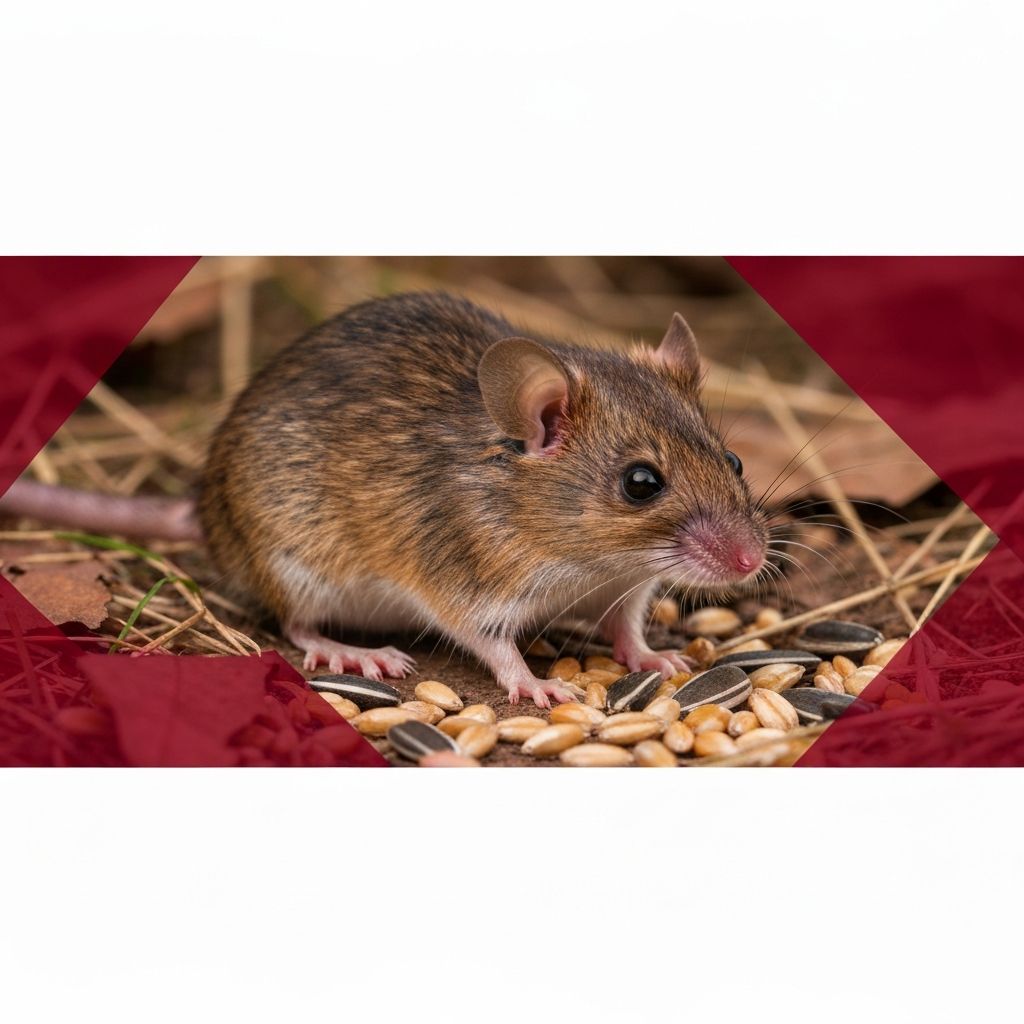
Mouse Survival Without Food: A Comprehensive Guide
The question of how long a mouse can live without food is one that concerns homeowners battling infestations, pet owners planning trips, and anyone interested in understanding these remarkably adaptable creatures. Mice are among the most widespread mammals on Earth, and their ability to survive challenging conditions has contributed significantly to their success as a species.
While the terms "go without food" and "live without food" are often used interchangeably, understanding the full picture of mouse survival involves examining not just the maximum duration of survival but also the quality of life during food deprivation, the long-term health consequences, and the biological mechanisms that allow mice to endure periods of scarcity.
Maximum Survival Duration Without Food
A mouse can live without food for a maximum of approximately two to four days under normal conditions. This relatively short survival period is directly linked to the mouse's incredibly fast metabolism, which requires frequent caloric intake to sustain basic life functions. Some studies have shown that under optimal conditions, with access to water and a cool, stress-free environment, certain mice have survived slightly longer, up to five or six days, but this is the exception rather than the rule.
The mouse's small body size is both an advantage and a disadvantage when it comes to survival without food. On one hand, mice require fewer total calories than larger animals. On the other hand, their high surface-area-to-body-mass ratio means they lose heat quickly and must constantly generate energy to maintain their core body temperature of approximately 98.6 degrees Fahrenheit.
It's worth noting that survival and thriving are very different things. A mouse may technically remain alive for several days without food, but its physical and cognitive functions will be severely compromised long before it reaches its maximum survival limit. After just 12 to 18 hours without food, a mouse's behavior and physical condition begin to deteriorate noticeably.
The Biological Mechanisms Behind Mouse Survival
When a mouse is deprived of food, its body activates a series of survival mechanisms designed to preserve life for as long as possible. Understanding these biological processes provides insight into why mice behave the way they do during periods of food scarcity.
Glycogen Depletion: The first energy source a mouse's body taps into is glycogen, a form of stored glucose found primarily in the liver and muscles. Glycogen reserves in mice are relatively small and can be depleted within six to twelve hours of the last meal. During this phase, the mouse's blood sugar levels drop, triggering hunger signals and increased foraging behavior.
Fat Metabolism: Once glycogen stores are exhausted, the body switches to metabolizing fat reserves. This process, known as lipolysis, releases fatty acids that can be converted to energy. However, house mice typically carry minimal body fat, limiting the duration of this survival phase. Wild mice in areas with seasonal food availability may carry slightly more fat reserves than their domesticated counterparts.
Protein Catabolism: In the final stage of starvation, the body begins breaking down muscle tissue and organ proteins for energy. This is the most dangerous phase, as it directly compromises the structural and functional integrity of vital organs. Once a mouse reaches this stage, recovery becomes increasingly difficult even if food is reintroduced.
Metabolic Slowdown: Throughout the starvation process, a mouse's body attempts to conserve energy by gradually slowing its metabolic rate. This manifests as reduced activity levels, lower body temperature, and decreased immune function. While this slowdown extends survival time, it also leaves the mouse more vulnerable to disease, predation, and environmental stressors.
Comparing Mouse Survival to Other Rodents
Putting the mouse's survival capabilities in context helps illustrate how their biology differs from related species. The table below provides a general comparison of how long various rodents can survive without food.
Rats, being larger than mice, can typically survive one to two weeks without food. Their greater body mass provides more substantial energy reserves, and their slower relative metabolic rate allows them to conserve energy more effectively. Hamsters can survive for three to four days, similar to mice, though their habit of hoarding food in their cheek pouches can provide a small buffer.
Guinea pigs are among the least tolerant rodents when it comes to food deprivation, typically declining after just 12 to 24 hours without eating. This is due to their unique digestive system, which requires constant fiber intake to function properly. Squirrels, with their natural fat-storing behaviors, can survive for five to eight days without food, particularly during winter months when their bodies are adapted for longer fasting periods.
Environmental Factors That Influence Survival
The environment in which a mouse finds itself during food deprivation plays a significant role in determining how long it can survive. Several environmental factors can either extend or shorten the survival window.
Temperature: Ambient temperature has a profound impact on mouse survival without food. In cold environments, mice must expend additional energy to maintain their body temperature, rapidly depleting their already limited reserves. In extremely cold conditions, a mouse may perish within 24 hours without food. Conversely, moderate temperatures reduce the metabolic cost of thermoregulation, potentially extending survival by a day or more.
Humidity: Higher humidity levels can slightly benefit a mouse during food deprivation by reducing water loss through respiration and skin. In arid environments, dehydration becomes a compounding factor that accelerates the decline associated with food deprivation.
Stress Levels: Stress significantly impacts a mouse's ability to survive without food. Mice in stressful environments, such as those exposed to predators, loud noises, or unfamiliar surroundings, burn through their energy reserves more quickly due to elevated cortisol levels and increased heart rate. A calm, quiet environment extends survival time compared to a stressful one.
Shelter Availability: Access to shelter helps mice conserve energy by providing protection from temperature extremes and predators. A mouse with a warm, secure nesting site will survive longer without food than one exposed to the elements. This is why mice within the walls of a heated home may survive longer during food scarcity than those living outdoors.
Practical Implications for Homeowners
Understanding how long mice can live without food has direct practical applications for homeowners dealing with mouse problems. This knowledge informs effective pest control strategies and helps set realistic expectations for results.
When implementing food exclusion as a pest control strategy, homeowners should expect to see results within a few days if all food sources are truly eliminated. If mouse activity continues beyond a week after thorough food source elimination, it's likely that the mice are still finding food somewhere, whether it's crumbs behind appliances, pet food in an unsealed container, or food waste in an improperly sealed trash can.
Trapping efforts are often most effective when combined with food exclusion. Hungry mice are more likely to investigate baited traps, as their desperation for food overrides their natural caution. Peanut butter, chocolate, and nesting materials like cotton balls are among the most effective bait options for mouse traps.
Sealing entry points is essential to prevent new mice from replacing those that have been eliminated. Mice can enter through gaps as small as a dime, so thorough inspection of the foundation, utility penetrations, door sweeps, and roof lines is necessary for effective exclusion.
Implications for Pet Mouse Owners
Pet mouse owners should understand that their animals require consistent, daily access to food and water. Unlike some pets that can tolerate missed meals, mice should never be intentionally deprived of food for any duration.
When planning trips, pet mouse owners should arrange for daily care. An automatic water bottle and a food hopper can help ensure continuous access to nutrition, but someone should still check on the mice at least once daily to ensure these systems are functioning properly and that the mice are healthy.
If you notice that a pet mouse has stopped eating, this is a cause for immediate concern. Loss of appetite in mice often indicates illness, dental problems, or stress. A veterinarian experienced with small animals should be consulted promptly, as the mouse's small reserves mean that any condition preventing eating can become life-threatening within a matter of days.
The Ethical Dimension
While understanding mouse survival limits is valuable knowledge, it's important to approach this topic with appropriate ethical consideration. Intentionally starving mice, whether pests or pets, is inhumane and often illegal under animal cruelty laws. Effective pest control should prioritize humane methods, including exclusion, habitat modification, and quick-kill traps rather than starvation.
For pest situations, working with licensed pest management professionals ensures that humane and effective methods are employed. Many modern pest control approaches focus on integrated pest management, which combines multiple strategies to achieve long-term results while minimizing animal suffering and environmental impact.
Conclusion
A mouse can live without food for approximately two to four days under normal conditions, with various environmental and biological factors influencing this timeframe. Their remarkably fast metabolism and small body size make them heavily dependent on regular food intake, which is both a survival challenge for the mice and an opportunity for effective pest management strategies. Whether you're dealing with unwanted mice in your home or caring for pet mice, understanding their dietary needs and survival limitations is essential for making informed decisions about their management and care.
