
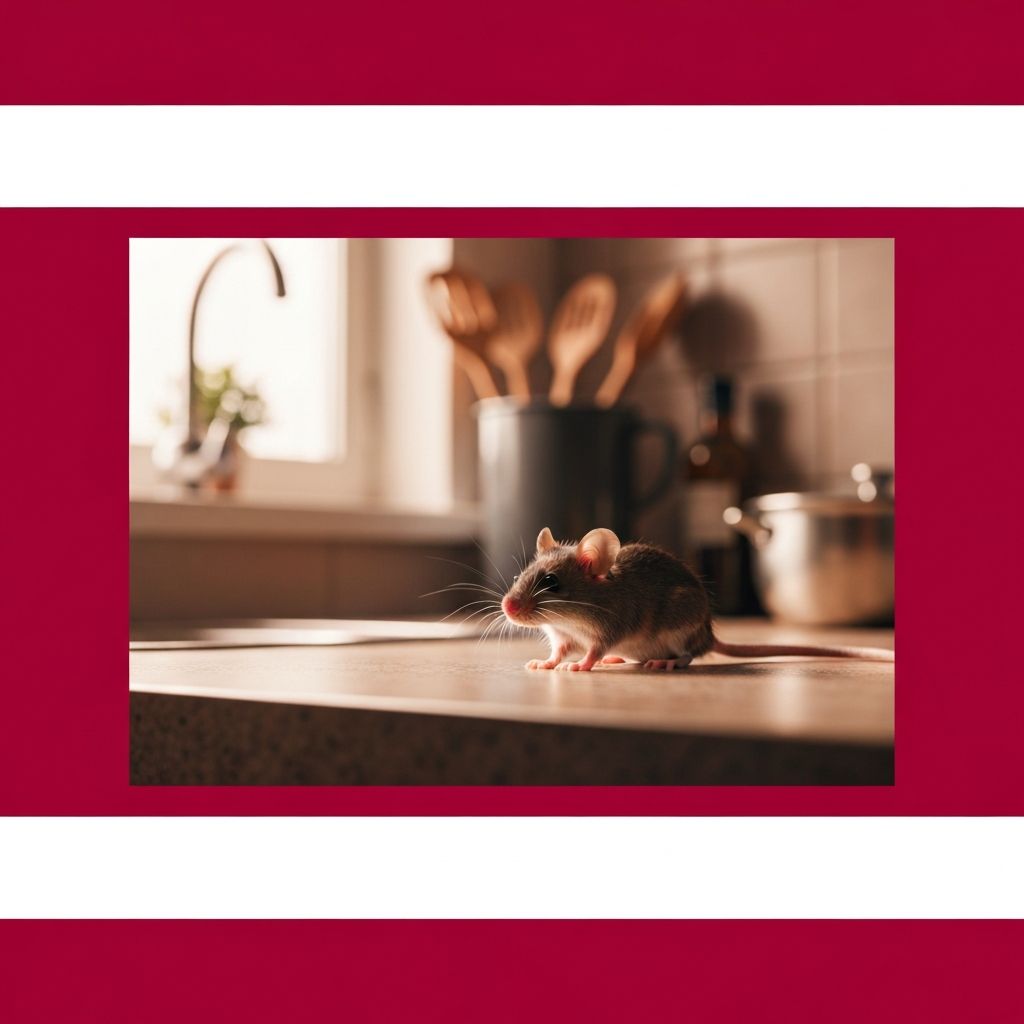
Understanding Mouse Biology and Survival
Mice are incredibly resourceful creatures that have coexisted with humans for thousands of years. Their remarkable adaptability has made them one of the most successful mammalian species on the planet. Understanding how long a mouse can go without food is valuable knowledge for homeowners dealing with infestations, pet owners caring for domesticated mice, and anyone curious about these resilient rodents.
The common house mouse, scientifically known as Mus musculus, has evolved numerous survival mechanisms that allow it to thrive in a wide variety of environments. From urban apartments to rural farmhouses, mice have demonstrated an extraordinary ability to find sustenance in even the most unlikely places. Their survival capabilities, including their tolerance for food scarcity, play a significant role in their persistence as both pests and pets.
How Long Can Mice Survive Without Food?
Under typical conditions, a mouse can survive without food for approximately two to four days. This is a relatively short period compared to many other mammals, and it reflects the mouse's extremely high metabolic rate. Mice burn through calories at an astonishing pace due to their small body size and constant activity levels.
A mouse's body mass-to-surface area ratio means it loses heat rapidly, requiring constant caloric intake to maintain its body temperature. This is why mice are almost always on the move, searching for food sources. Their survival window without food is significantly shorter than larger rodents like rats, which can survive for up to two weeks without eating.
However, it's important to note that while a mouse may technically survive for up to four days without food, its health and behavior will be significantly impacted well before that point. After just 24 hours without eating, a mouse will become increasingly desperate in its search for food, potentially taking greater risks and venturing into open areas it would normally avoid.
The Role of Water in Mouse Survival
While discussing how long mice can go without food, it's equally important to understand their water requirements. Mice actually need very little water to survive and can often obtain sufficient moisture from the food they eat. Many foods that mice consume, including fruits, vegetables, and even some grains, contain enough water content to sustain them.
When food is available but water is not, mice can survive for considerably longer than when both are absent. A mouse with access to dry food but no water can typically survive for several days to a week, depending on the moisture content of the food and the humidity of its environment.
Conversely, a mouse with access to water but no food will survive longer than one deprived of both. Water helps maintain basic bodily functions even as the mouse depletes its limited energy reserves. This is why pest control strategies that eliminate both food and water sources simultaneously tend to be more effective than those targeting only one.
Factors Affecting Mouse Survival Without Food
Several variables influence how long an individual mouse can survive without food. These factors can either extend or shorten the survival window significantly.
Body Condition: A well-fed mouse with adequate fat reserves will naturally survive longer without food than a lean mouse. Mice living in environments with abundant food supplies tend to carry more body fat, providing them with a buffer during periods of scarcity. However, even the plumpest house mouse has limited fat reserves compared to larger animals.
Age: Young mice and elderly mice are more vulnerable to food deprivation than healthy adults in their prime. Baby mice, in particular, require frequent feeding and can perish within a single day without nutrition. Nursing mothers also have heightened caloric needs and will be affected more quickly by food scarcity.
Environmental Temperature: Cold environments force mice to burn more calories to maintain their body temperature, shortening their survival time without food. This is one reason why mice are so persistent in seeking shelter inside heated buildings during winter months. Warmer environments slightly extend survival time by reducing the metabolic demands of thermoregulation.
Activity Level: A mouse that remains still and conserves energy will outlast one that continues actively searching for food. However, mice are instinctively driven to forage, making it difficult for them to remain inactive even when food is unavailable. This constant activity accelerates their energy depletion.
Species and Genetics: Different species and strains of mice have varying metabolic rates and survival capabilities. Wild mice may have slightly better survival instincts and fat storage capabilities than domesticated laboratory mice, though the differences are generally modest.
Why Mice Are Constantly Searching for Food
Understanding why mice are such persistent foragers helps explain their short survival window without food. A mouse typically eats 15 to 20 times per day, consuming approximately 3 to 4 grams of food daily. This frequent eating pattern is not a matter of preference but a biological necessity driven by their rapid metabolism.
Mice have a digestive system designed for frequent, small meals rather than large, infrequent ones. Their stomachs are relatively small, and food passes through their digestive tract quickly. This means they need a constant supply of nutrition to maintain their energy levels and bodily functions.
This relentless need for food is what drives mice into human homes and businesses. A single crumb dropped on a kitchen floor or a poorly sealed pantry container can provide enough incentive for a mouse to establish residence in a building. Their keen sense of smell allows them to detect food sources from considerable distances, guiding them through walls, pipes, and other pathways to reach sustenance.
Implications for Pest Control
Knowing how long mice can go without food has significant implications for pest control strategies. Since mice cannot survive more than a few days without eating, eliminating food sources is one of the most effective long-term pest management approaches.
Proper food storage is the first line of defense against mouse infestations. All dry goods should be stored in airtight containers made of glass, metal, or thick plastic. Pet food should never be left out overnight, and bird feeders should be positioned away from the home's exterior walls. Even small amounts of food residue on countertops, floors, or in trash cans can sustain a mouse population.
Sanitation plays a crucial role in mouse control. Regular cleaning of kitchen areas, dining spaces, and food preparation surfaces removes the crumbs and residue that mice depend on. Garbage should be stored in sealed containers and removed regularly to prevent attracting rodents.
Exclusion methods, such as sealing gaps and cracks in a building's exterior, prevent mice from accessing indoor food sources. Mice can squeeze through openings as small as a quarter inch in diameter, so thorough inspection and sealing are essential. Steel wool, caulk, and hardware cloth are effective materials for blocking entry points.
Caring for Pet Mice: Proper Feeding Practices
For those who keep mice as pets, understanding their dietary needs is essential for their health and longevity. Pet mice should have access to food at all times, given their frequent eating habits and high metabolic requirements.
A balanced diet for pet mice includes commercial mouse pellets as a staple, supplemented with small amounts of fresh fruits, vegetables, and occasional protein sources like mealworms or hard-boiled eggs. Fresh, clean water should always be available through a sipper bottle attached to the cage.
When traveling or being away from home, pet mouse owners should arrange for someone to check on their mice at least daily. Unlike some pets that can be left with extra food for a weekend, mice should not go more than 24 hours without human oversight due to their rapid food and water consumption and the need to monitor their health.
Signs of Starvation in Mice
Whether dealing with a pest situation or caring for pet mice, recognizing signs of starvation can be important. Starving mice exhibit several behavioral and physical changes that indicate their distress.
Behavioral signs include increased boldness and risk-taking, unusual activity during daylight hours (as mice are normally nocturnal), aggressive interactions with other mice, and frantic searching behavior. Physically, starving mice will show prominent spine and hip bones, a sunken abdomen, dull or ruffled fur, and lethargy in advanced stages.
In pest situations, seeing mice during daylight hours is often a sign that the population is stressed, either from overcrowding or food scarcity. This behavior indicates that the mice are desperate enough to risk exposure to predators and human activity in search of food.
Conclusion
Mice can survive without food for approximately two to four days, though their health deteriorates rapidly during this period. Their extremely high metabolic rate, driven by their small body size and constant activity, makes them one of the most food-dependent mammals relative to their size. Whether you're dealing with a mouse infestation or caring for pet mice, understanding their dietary needs and survival limitations is key to managing these remarkable little creatures effectively.
For homeowners, the takeaway is clear: eliminating food sources and maintaining strict sanitation are among the most powerful tools in preventing and controlling mouse populations. For pet owners, ensuring constant access to appropriate food and water is essential for your mice's health and happiness.
