
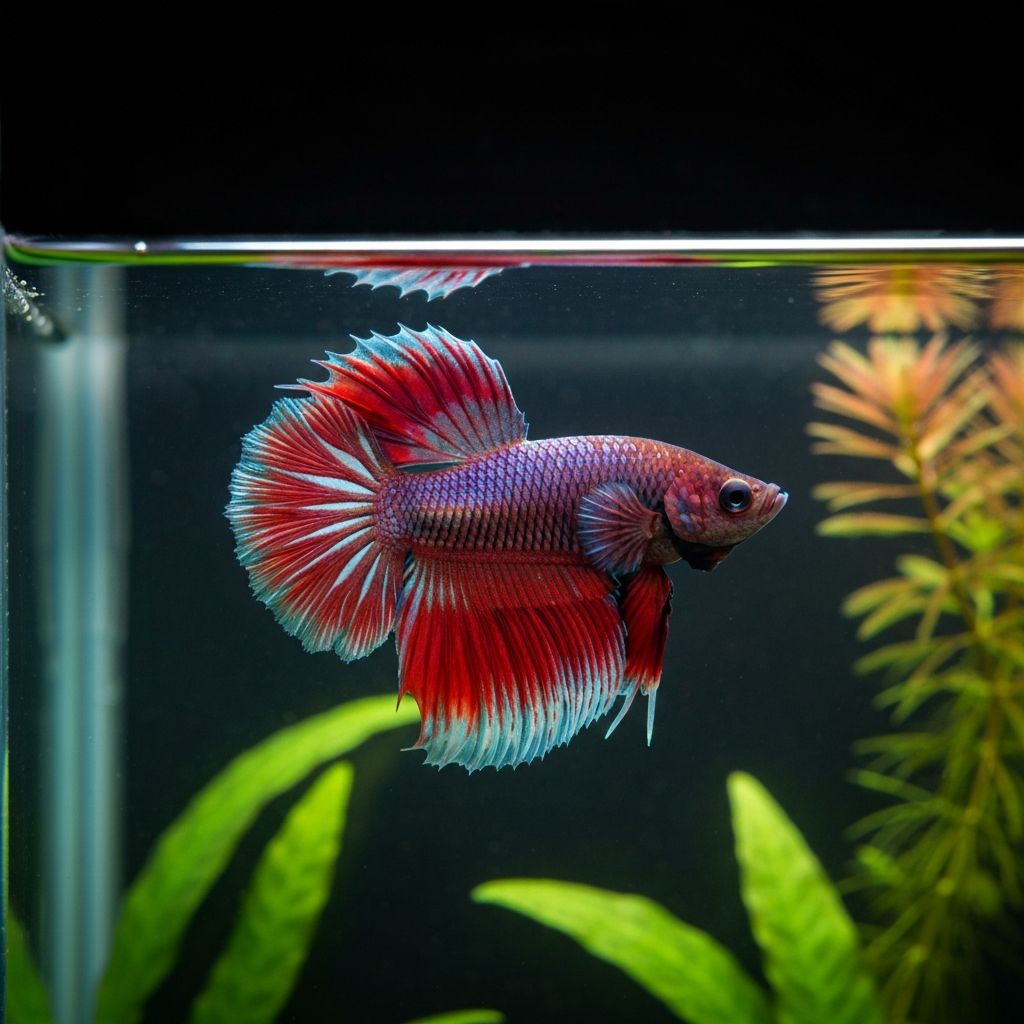
Understanding Betta Fish and Their Feeding Needs
Betta fish, also known as Siamese fighting fish, are among the most popular freshwater aquarium fish in the world. Their stunning colors, flowing fins, and bold personalities make them beloved pets for beginners and experienced aquarists alike. One of the most common questions betta owners face, especially when planning vacations or dealing with emergencies, is how long their betta can survive without food.
The short answer is that a healthy adult betta fish can survive approximately ten to fourteen days without food under ideal conditions. However, this survival threshold is vastly different from thriving, and subjecting your betta to extended fasting periods can cause significant stress, health problems, and reduced lifespan. Understanding the biology behind this survival ability and the consequences of prolonged fasting is essential for responsible betta ownership.
The Biology Behind Betta Fasting Tolerance
Betta fish have evolved in environments where food availability is inconsistent. In the wild, bettas inhabit shallow rice paddies, slow-moving streams, and seasonal flood plains in Southeast Asia. These environments can experience dramatic fluctuations in water levels and food availability, particularly during dry seasons when their habitats may shrink to small, stagnant puddles.
This evolutionary history has equipped bettas with several biological adaptations that allow them to survive periods without food. They can slow their metabolism significantly, reducing energy expenditure to conserve stored nutrients. Bettas store energy in the form of fat and glycogen in their liver and body tissues, which they can metabolize during fasting periods. Their labyrinth organ, which allows them to breathe atmospheric air, gives them an additional survival advantage in low-oxygen environments where food may be scarce.
However, it is crucial to understand that survival is not the same as thriving. Just because a betta can survive two weeks without food does not mean it should. Extended fasting causes muscle wasting, organ stress, immune suppression, and a range of health problems that can shorten the fish's lifespan and reduce its quality of life.
What Happens to a Betta During Extended Fasting
When a betta fish stops receiving food, its body goes through a predictable series of physiological changes. During the first one to three days, the fish metabolizes readily available glycogen stores from its liver. This is similar to how humans use glycogen during short-term fasting and has minimal impact on the fish's health. In fact, many betta experts recommend a one-day fast per week to aid digestion and prevent bloating.
After glycogen stores are depleted, typically around day three or four, the betta's body begins metabolizing fat reserves. This is the primary energy source during extended fasting and can sustain the fish for several days depending on its overall body condition. Well-fed, healthy bettas with adequate fat reserves will fare significantly better during fasting than thin or malnourished fish.
Beyond seven to ten days without food, the betta's body begins breaking down muscle tissue for energy, a process called muscle catabolism. This causes visible wasting, where the fish appears thinner and less robust. The fish's immune system weakens significantly during this stage, making it vulnerable to bacterial infections, parasitic diseases, and fungal growth. Color may fade, fins may deteriorate, and the fish's activity level drops dramatically as it conserves energy.
After approximately two weeks, most bettas will be in critical condition. Organ failure, particularly of the liver and kidneys, becomes increasingly likely. While individual fish may survive longer depending on their genetics, health, and environmental conditions, the risk of permanent damage or death increases rapidly beyond this point.
Factors That Affect Fasting Tolerance
Several factors influence how long an individual betta can survive without food. The fish's age and overall health are primary determinants. Young, healthy adult bettas in their prime, typically between six months and three years old, have the best fasting tolerance. Juvenile bettas and elderly fish are more vulnerable and should never be subjected to extended fasting.
Water temperature plays a significant role in metabolism and fasting tolerance. Bettas are tropical fish that thrive in water temperatures between 76 and 82 degrees Fahrenheit. At higher temperatures, their metabolism runs faster, consuming energy more quickly and reducing fasting tolerance. At lower temperatures, metabolism slows but the risk of cold stress and immune suppression increases. Maintaining a stable temperature within the ideal range is critical during any fasting period.
Water quality is perhaps the most important environmental factor. In a dirty or poorly maintained tank, fasting bettas face a double threat: nutritional stress combined with the toxic effects of accumulated ammonia, nitrites, and nitrates. A clean, well-filtered, and properly cycled tank gives fasting bettas the best chance of maintaining their health. Before any anticipated fasting period, perform a thorough water change and ensure filtration is functioning optimally.
The size of the tank also matters. Bettas in larger tanks with established biological filtration and live plants generally fare better during fasting periods than those in small bowls or unfiltered containers. The larger water volume provides more stable parameters and a more natural environment that reduces stress.
Planning for Vacations and Absences
The most common reason betta owners need to address feeding gaps is vacation travel. For absences of one to three days, simply feeding your betta normally before you leave and resuming normal feeding when you return is perfectly safe. As mentioned earlier, short fasting periods can actually benefit betta digestion.
For absences of four to seven days, you have several options. Automatic fish feeders designed for small tanks can dispense pre-measured portions on a schedule. These devices are available at most pet stores and online retailers for modest prices. However, they require testing before your trip to ensure they dispense the correct amount. Over-feeding from a malfunctioning auto feeder can be more dangerous than fasting, as excess food decomposes and poisons the water.
Slow-release vacation feeder blocks are another option, though they are controversial among betta experts. These compressed food blocks dissolve slowly over several days, releasing food particles into the water. The concern is that they can cloud the water, alter pH, and release more food than the betta can consume, leading to water quality issues. If you choose to use vacation feeder blocks, select one specifically designed for betta fish and test it before your trip.
The most reliable option for longer absences is having a trusted friend, family member, or neighbor feed your betta. Pre-measure individual portions into small containers or plastic bags with clear labeling to prevent well-meaning but inexperienced caretakers from overfeeding. Provide simple written instructions that include how much to feed, how often, and what to observe regarding the fish's behavior and water clarity.
Optimal Feeding Practices for Healthy Bettas
Prevention is always better than crisis management. Establishing a consistent and appropriate feeding routine keeps your betta healthy, well-nourished, and better prepared to handle any unexpected fasting periods. Adult bettas should be fed once or twice daily, with each meal consisting of an amount the fish can consume in approximately two minutes.
A varied diet is essential for betta health. High-quality betta pellets should form the foundation of the diet, supplemented with frozen or freeze-dried bloodworms, brine shrimp, and daphnia several times per week. This variety provides a complete nutritional profile and mimics the diverse insect and invertebrate diet bettas consume in the wild.
Overfeeding is one of the most common mistakes betta owners make and is far more dangerous than occasional underfeeding. Excess food leads to bloating, constipation, swim bladder disorder, and water pollution. A betta's stomach is approximately the size of its eye, providing a visual reference for appropriate portion sizes.
Incorporating a regular fasting day into your betta's weekly feeding schedule is recommended by many betta experts. A one-day fast once per week allows the digestive system to rest and can prevent the bloating and constipation that plague many captive bettas. This practice also conditions the fish to tolerate short periods without food, which can be beneficial if unexpected fasting situations arise.
Signs of Malnutrition and When to Worry
Knowing the signs of malnutrition can help you identify problems before they become critical. A malnourished betta will show a visibly sunken or concave belly when viewed from the side. The fish may become lethargic, spending more time resting at the bottom of the tank or floating listlessly near the surface. Color fading, fin deterioration, and a general loss of vibrancy are also common indicators.
If you notice these signs in your betta, whether due to an extended fasting period or other causes, do not immediately resume full feeding. A betta that has been without food for an extended period should be refed gradually. Start with very small portions of easily digestible food, such as a single bloodworm or a few crushed pellets, and gradually increase portions over several days. Refeeding syndrome, though more commonly discussed in mammals, can occur in fish when food is reintroduced too quickly after extended fasting.
Monitor water quality closely during the recovery period. A weakened betta is more susceptible to disease, and maintaining pristine water conditions gives the fish the best chance of recovery. If you notice signs of infection, such as white spots, fuzzy growths, or fin rot, address these issues promptly with appropriate treatments.
Conclusion: Responsible Betta Care
While betta fish are remarkably resilient creatures capable of surviving extended periods without food, responsible ownership means ensuring your fish never needs to test those limits. Plan ahead for vacations, maintain consistent feeding routines, and provide optimal water conditions that support your betta's health and longevity. A well-cared-for betta can live three to five years or more, providing years of companionship and beauty in return for the relatively simple care they require.
