
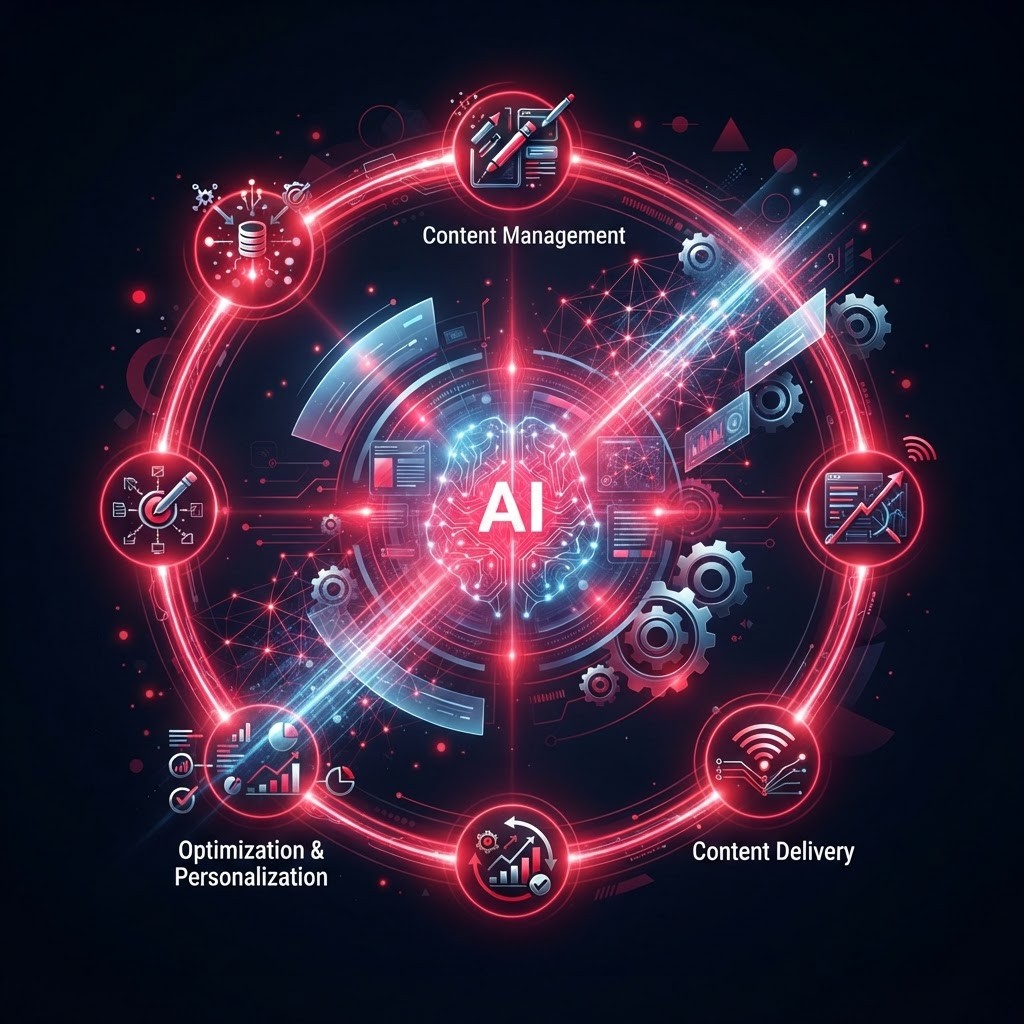
Content management systems have evolved far beyond simple tools for publishing web pages. Today's leading CMS platforms embed artificial intelligence across the entire marketing content lifecycle, from ideation and creation to distribution and optimization. This integration helps marketing teams work faster, personalize experiences, and make smarter decisions based on data. Understanding how these platforms use AI reveals where content marketing is headed. This article explores how leading CMS platforms apply AI at each stage of the content lifecycle.
Getting More From Your CMS With AAMAX.CO
Unlocking the full potential of an AI-powered CMS takes both technical skill and marketing strategy, which is where AAMAX.CO can help. Their team combines website development with AI-driven content and marketing services, helping businesses build and manage platforms that streamline the entire content lifecycle. Serving clients worldwide, they ensure that powerful CMS capabilities translate into real marketing results.
AI in Content Planning and Ideation
The content lifecycle begins with planning, and AI now plays a central role at this stage. Modern CMS platforms use AI to analyze trends, audience interests, and search demand, suggesting topics that are likely to perform well. They can identify content gaps, recommend keywords, and even predict which subjects will resonate with specific segments. This data-informed approach to ideation helps marketing teams prioritize the content most likely to drive results rather than relying on guesswork.
Assisted Content Creation
Once topics are chosen, AI-powered CMS platforms accelerate the creation process. Built-in generative tools can draft outlines, write first versions of articles, suggest headlines, and generate supporting copy. Some platforms also assist with images and other media directly within the editing environment. This integration allows creators to move from idea to draft quickly, spending more of their time refining, fact-checking, and adding the unique perspective that distinguishes their brand.
Real-Time Optimization and SEO Guidance
Leading CMS platforms provide AI-driven optimization as content is being written. They offer real-time suggestions for improving readability, structure, and search visibility, guiding creators toward best practices without requiring separate tools. AI evaluates how well content addresses target topics and recommends adjustments to headings, length, and keyword usage. This built-in guidance helps ensure that content is optimized for both human readers and search engines before it is ever published.
Personalization and Dynamic Content
Personalization is a major advantage of AI-enabled CMS platforms. They can deliver different content, layouts, and recommendations to visitors based on behavior, location, and preferences. A single page can adapt dynamically, showing each visitor the most relevant messaging or offers. This capability allows marketing teams to create tailored experiences at scale, increasing engagement and conversions without manually building countless variations of each page.
Intelligent Content Distribution
Publishing is only part of the lifecycle; getting content in front of the right audience is equally important. AI helps CMS platforms optimize distribution by recommending the best channels, formats, and timing for each piece. Some platforms automate the repurposing of content into social posts, email snippets, and other formats, extending reach with minimal extra effort. This intelligent distribution ensures content reaches audiences where and when they are most likely to engage.
Performance Analytics and Insights
After content goes live, AI-powered analytics reveal how it is performing and why. Leading CMS platforms surface insights about engagement, conversions, and audience behavior, highlighting what resonates and what needs improvement. Rather than presenting raw data, AI interprets results and offers actionable recommendations. This helps marketing teams understand the impact of their content and make informed decisions about future strategy.
Continuous Improvement and Content Refresh
The content lifecycle does not end at publication. AI helps identify existing content that is declining in performance or becoming outdated, recommending updates to keep it relevant and effective. By flagging opportunities to refresh, consolidate, or optimize older material, CMS platforms help teams maintain the value of their entire content library. This ongoing improvement maximizes the return on content investments over time rather than treating each piece as a one-time effort.
Conclusion
Leading CMS platforms use AI throughout the marketing content lifecycle, from planning and creation to optimization, personalization, distribution, analytics, and continuous improvement. This deep integration helps marketing teams produce better content more efficiently while delivering personalized experiences and data-driven results. As AI capabilities continue to expand, CMS platforms will become even more central to how brands manage content, rewarding teams that learn to harness these intelligent tools effectively.
