
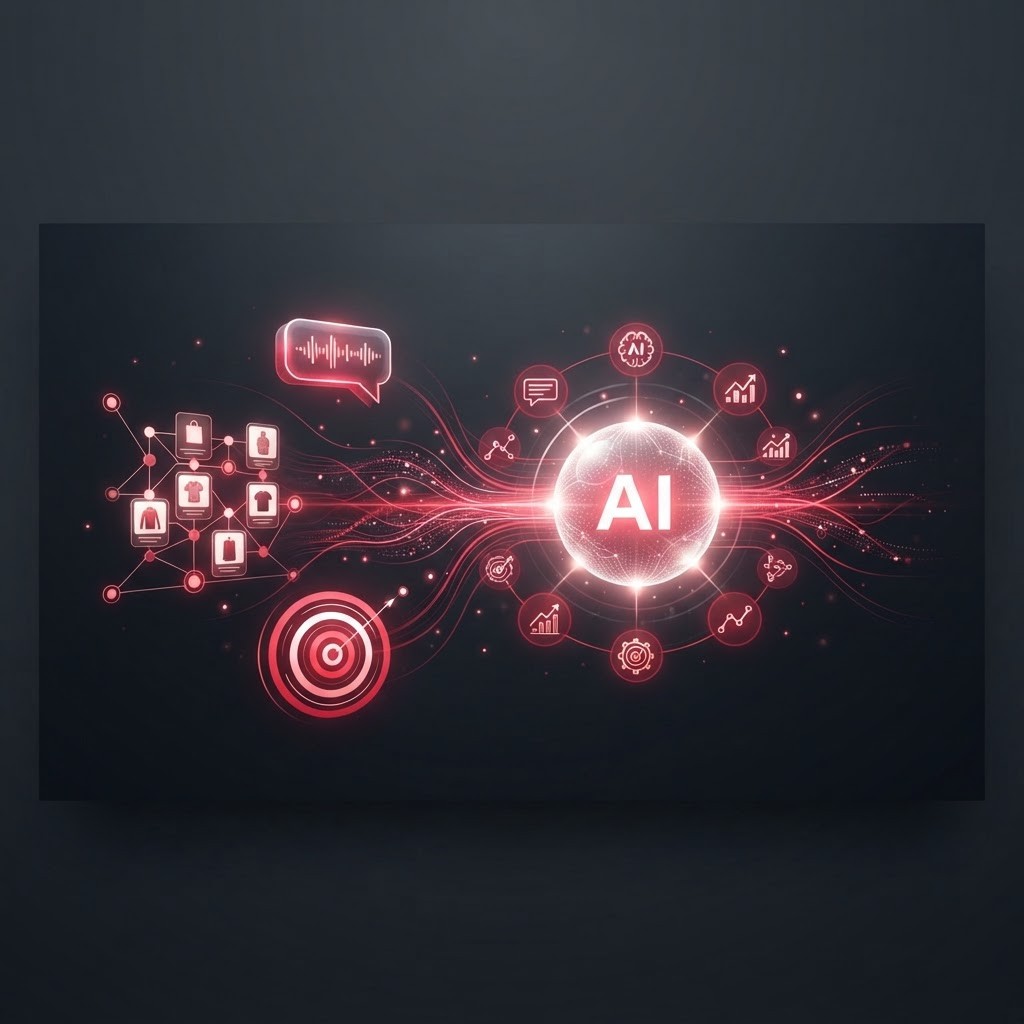
Artificial intelligence is used in marketing to automate tasks, personalize experiences, predict customer behavior, and optimize campaigns for better results. Rather than a single tool, AI is a collection of technologies applied across many marketing functions. Understanding these practical applications helps businesses see where AI can add the most value and how to integrate it into their existing strategies.
The appeal of AI in marketing lies in its versatility. It can handle massive amounts of data, work continuously without fatigue, and improve over time. Below are the most common and impactful ways brands use artificial intelligence to connect with customers and grow their businesses.
How AAMAX.CO Puts AI to Work for Marketers
Turning AI's potential into real outcomes takes expertise, and AAMAX.CO helps businesses do exactly that. As a full-service digital marketing company serving clients worldwide, they apply artificial intelligence across the marketing funnel to improve targeting, engagement, and conversions. Their specialists implement AI-driven personalization, automation, and analytics tailored to each client's goals. With strong capabilities in search engine optimization and comprehensive digital marketing, they ensure AI tools are used strategically to deliver measurable growth.
Personalization and Recommendations
One of the most widespread uses of AI in marketing is personalization. AI analyzes customer data, including browsing history, purchases, and preferences, to deliver individualized experiences. Recommendation engines suggest products or content a customer is likely to enjoy, much like the systems used by leading e-commerce and streaming platforms.
This personalization extends across channels. Websites can display customized content, emails can feature tailored offers, and ads can target specific interests. By making every interaction more relevant, AI increases engagement and drives higher conversion rates, turning casual visitors into loyal customers.
Chatbots and Customer Service
AI-powered chatbots have become a staple of modern marketing and customer service. They provide instant responses to customer questions at any hour, guiding users through their journey and resolving issues quickly. Advanced chatbots understand natural language, making conversations feel more human and helpful.
Beyond answering questions, chatbots capture leads, recommend products, and collect valuable customer insights. They handle routine inquiries efficiently, allowing human agents to focus on complex or sensitive matters. This combination of speed and scale improves customer satisfaction while reducing operational costs.
Predictive Analytics
Predictive analytics uses AI to forecast future customer behavior based on historical data. Marketers use it to identify which leads are most likely to convert, which customers might churn, and what products someone may want next. These predictions enable proactive, targeted marketing that reaches customers at the right moment.
By anticipating needs, brands can allocate resources more effectively and craft more relevant campaigns. Predictive analytics turns data into foresight, helping marketers stay one step ahead and make smarter decisions about where to focus their efforts.
Advertising Optimization
AI plays a major role in digital advertising through programmatic buying and optimization. It automatically purchases and places ads in real time, targeting the right audiences at the best possible cost. AI continuously analyzes performance and adjusts bids, placements, and creative to maximize return on ad spend.
This automation removes much of the guesswork from advertising. Instead of manually managing campaigns, marketers rely on AI to optimize continuously, ensuring budgets are spent efficiently. The result is more effective advertising that reaches the right people with the right message.
Content Creation and Optimization
AI tools assist marketers in creating and optimizing content. They generate ideas, draft copy, and produce variations for testing. They also analyze what content performs best, guiding strategy with data. This speeds up production while improving quality and relevance.
AI also helps optimize content for search visibility, identifying the topics and keywords audiences care about. As search behavior evolves toward AI-powered answer engines, this optimization ensures content remains discoverable across both traditional and emerging platforms.
Email Marketing Enhancement
Email marketing benefits significantly from AI. Intelligent systems determine the best time to send emails to each recipient, test subject lines for maximum impact, and personalize content dynamically. This makes emails more relevant and increases open and click-through rates.
AI can also segment audiences automatically and trigger emails based on customer behavior, such as abandoned carts or recent purchases. These automated, personalized campaigns nurture relationships and drive conversions without requiring constant manual effort.
Sentiment Analysis and Social Listening
AI helps brands understand how customers feel through sentiment analysis. By analyzing social media posts, reviews, and comments, AI gauges public opinion and identifies emerging trends or concerns. This insight allows brands to respond quickly, manage their reputation, and adjust their messaging.
Social listening powered by AI reveals what customers are saying and what they truly want. This real-time understanding informs product development, campaign strategy, and customer engagement, keeping brands aligned with their audiences.
Bringing It All Together
Artificial intelligence is used in marketing in countless practical ways, from personalization and chatbots to predictive analytics, advertising, content, email, and sentiment analysis. Each application delivers efficiency, insight, and relevance that manual methods cannot match. The most successful brands combine these tools strategically, guided by human creativity and judgment. By understanding how AI is used and applying it thoughtfully, businesses can build stronger connections with customers and achieve sustainable growth.
