
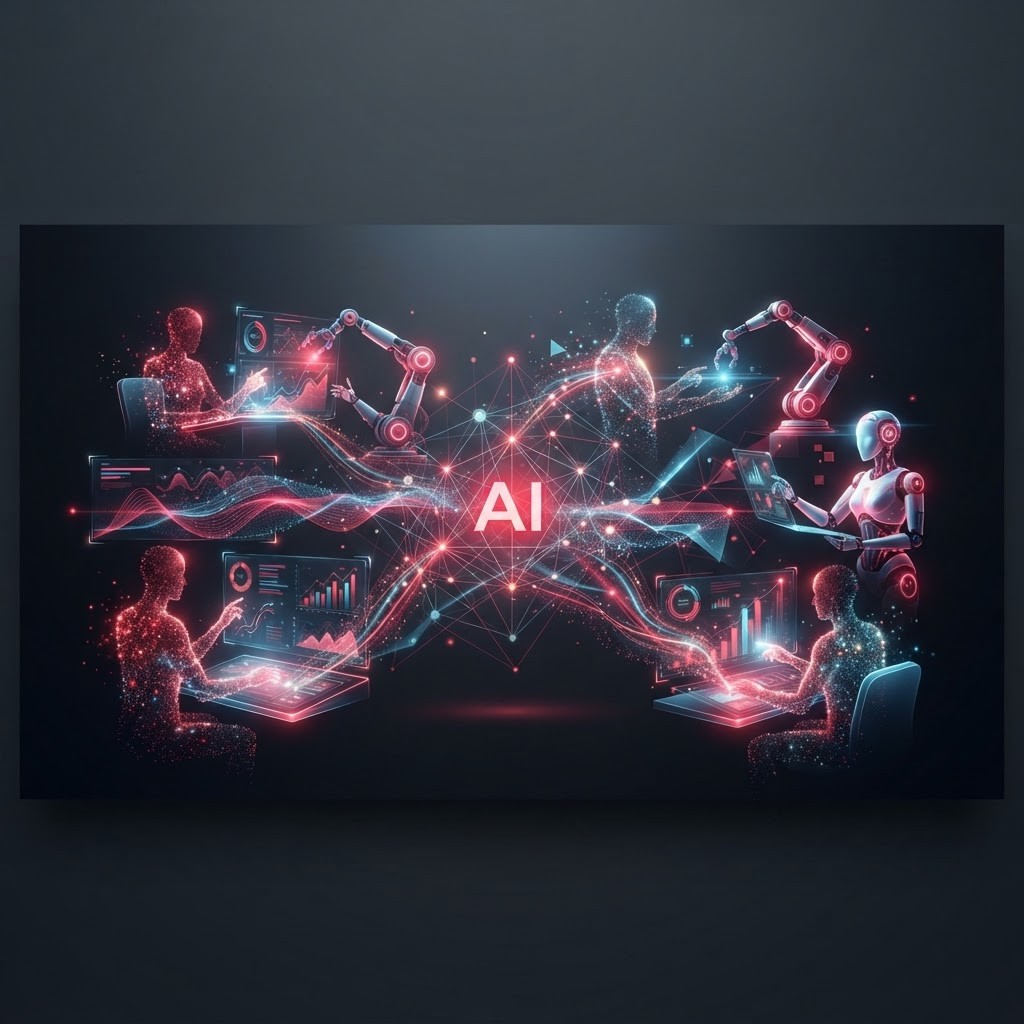
As artificial intelligence becomes embedded in marketing, one of the most pressing questions professionals ask is what it means for their careers. Will AI replace marketers, or will it make them more valuable? The reality is nuanced. AI is automating many routine tasks while simultaneously creating new roles, elevating strategic and creative work, and raising the bar for skills. Understanding how AI is affecting marketing jobs helps professionals prepare for a future that rewards adaptability and human insight.
How AAMAX.CO Helps Teams Thrive Alongside AI
For businesses navigating this workforce transition, AAMAX.CO offers valuable expertise and support. As a full-service digital marketing company serving clients worldwide, they help organizations integrate AI in ways that empower their teams rather than displace them. By handling advanced AI-driven campaigns and offering strategic digital marketing guidance, they allow in-house marketers to focus on strategy, creativity, and relationships. Their collaborative approach shows how humans and AI can work together to achieve outstanding results.
Automating Routine Tasks
The most immediate effect of AI on marketing jobs is the automation of repetitive work. Tasks such as data entry, basic reporting, ad optimization, email scheduling, and audience segmentation are increasingly handled by intelligent systems. Rather than eliminating jobs wholesale, this automation removes the tedious parts of many roles. Marketers who once spent hours on manual processes can now devote that time to higher-value activities, making their contributions more impactful and their work more satisfying.
Elevating Strategic and Creative Work
As AI takes over routine execution, the value of strategic thinking and creativity rises. Machines can generate content and analyze data, but they cannot replicate human judgment, cultural understanding, brand vision, or emotional storytelling. Marketers are increasingly expected to guide strategy, craft compelling narratives, and make nuanced decisions that require empathy and context. These uniquely human capabilities are becoming the core of the profession, elevating the role of marketers rather than diminishing it.
New Roles and Emerging Skills
AI is not only changing existing jobs; it is creating entirely new ones. Roles focused on AI strategy, prompt design, data analysis, marketing automation, and AI ethics are emerging across the industry. Professionals who develop skills in these areas position themselves for growth. Data literacy, familiarity with AI tools, and the ability to interpret and act on insights are becoming essential. The most successful marketers combine these technical competencies with traditional creative and strategic strengths.
The Human-AI Partnership
The future of marketing work is not humans versus AI but humans working alongside AI. In this partnership, AI handles scale, speed, and pattern recognition while people provide creativity, judgment, and relationship building. Marketers who learn to collaborate effectively with AI tools, using them to augment their capabilities, will be far more productive and valuable. This collaborative model allows teams to accomplish more and to focus their energy on the work that truly requires a human touch.
The Importance of Continuous Learning
In a field changing this quickly, continuous learning has become essential for career resilience. Marketers who stay curious, experiment with new tools, and keep their skills current will adapt more easily than those who resist change. Organizations play a role too, investing in training and creating cultures that encourage experimentation. Professionals who embrace lifelong learning will find that AI opens doors to more interesting and rewarding work rather than closing them.
Preparing for the Future of Marketing Careers
The marketers who thrive in an AI-driven world will be those who view AI as a tool that amplifies their abilities. This means developing a blend of creative, strategic, and technical skills, staying informed about emerging tools, and focusing on the human elements that machines cannot replicate. Rather than fearing displacement, forward-thinking professionals see AI as an opportunity to shed tedious tasks and concentrate on meaningful, high-impact work that shapes brands and connects with people.
Conclusion
AI is affecting marketing jobs by automating routine tasks, elevating strategic and creative work, and creating new roles and skill requirements. Rather than replacing marketers, it is reshaping their responsibilities and rewarding those who adapt. The future belongs to professionals who embrace the human-AI partnership and commit to continuous learning. With a supportive partner like AAMAX.CO, businesses and their teams can navigate this transition confidently, ensuring that people and technology together drive marketing success.
