
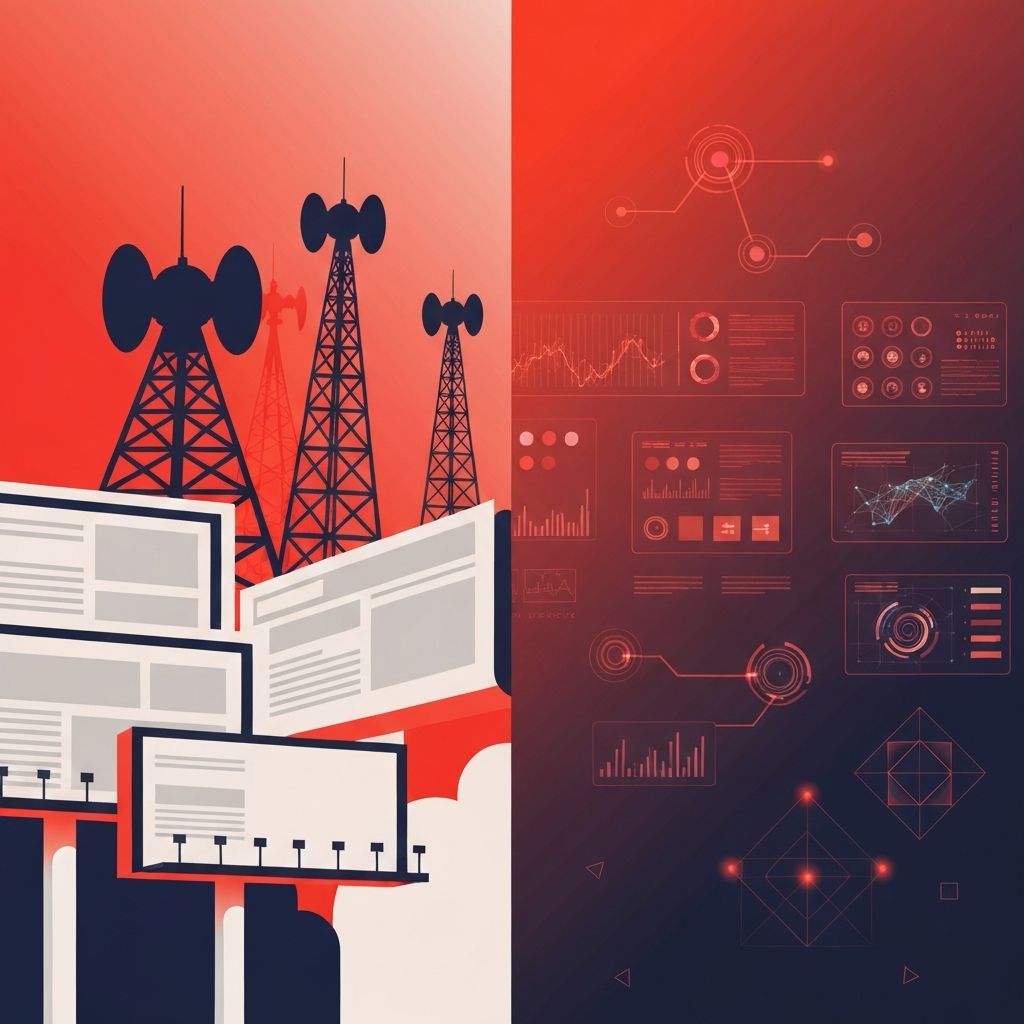
Two Worlds, One Goal
Traditional marketing and digital marketing share the same fundamental objective: connecting brands with audiences and driving profitable action. However, the methods, costs, and outcomes differ dramatically. Understanding these differences is essential for any business deciding where to allocate budget. While traditional marketing remains relevant in certain contexts, digital marketing has redefined what is possible in terms of reach, precision, and accountability.
How AAMAX.CO Bridges the Gap
Many businesses transitioning from traditional approaches benefit from working with experienced partners like AAMAX.CO, who provide full-service web development, SEO, and digital marketing solutions. Their team helps brands modernize their strategies while preserving the storytelling principles that make traditional advertising memorable, blending the best of both worlds for stronger results.
Cost Structure and Accessibility
Traditional marketing channels like television, radio, billboards, and print typically require significant upfront investment. A regional TV campaign or full-page newspaper ad can easily cost tens of thousands of dollars, putting them out of reach for most small businesses. Digital marketing, by contrast, is highly accessible. Campaigns can launch with modest budgets, scale based on performance, and reach niche audiences with surgical precision, making it ideal for both startups and global enterprises.
Targeting and Audience Precision
Traditional advertising relies on broad demographic assumptions. A billboard reaches everyone who drives by, regardless of relevance. Digital marketing flips this model by allowing brands to target specific behaviors, interests, locations, and purchase intent. Through platforms like Meta, Google, and LinkedIn, campaigns can speak directly to defined segments, dramatically improving relevance, engagement, and conversion rates.
Measurement and Analytics
Perhaps the most significant difference is measurability. Traditional marketing offers limited insight into actual performance. Surveys, redemption codes, and sales lifts provide rough estimates but rarely reveal the full picture. Digital marketing provides real-time data on impressions, clicks, conversions, bounce rates, and customer journeys. This visibility enables continuous optimization, ensuring every dollar contributes to measurable business outcomes.
Engagement and Two-Way Communication
Traditional marketing is largely one-directional. Brands broadcast messages and audiences receive them passively. Digital marketing is inherently interactive. Customers can comment, share, message, and review in real time. This two-way dialogue strengthens relationships, surfaces valuable feedback, and creates communities around brands. Channels like social media marketing have transformed advertising from monologue into conversation.
Speed and Agility
Launching a traditional campaign often takes weeks or months. Print deadlines, production schedules, and media buys create long lead times. Digital campaigns can be launched, tested, and adjusted within hours. This agility is invaluable in fast-changing markets, allowing brands to respond to trends, news cycles, and competitive moves with speed that traditional channels simply cannot match.
Reach and Global Potential
Traditional marketing is typically constrained by geography. A local newspaper reaches a local audience. Digital marketing knows no borders. With the right strategy, a small business can reach customers across continents, opening up global growth opportunities that were once reserved for multinational corporations. This democratization of reach is one of the most powerful advantages of digital channels.
Where Traditional Still Shines
Despite digital's many advantages, traditional marketing retains unique strengths. Print, broadcast, and outdoor advertising can build brand awareness at scale, particularly for mass-market products. They also benefit from a sense of permanence and credibility that digital ads sometimes lack. The most effective modern strategies often blend both, using traditional channels for awareness and digital for engagement and conversion.
Final Thoughts
The differences between digital and traditional marketing are profound, but neither is inherently better. The right mix depends on audience, budget, industry, and goals. For most modern businesses, digital marketing offers superior targeting, measurability, and ROI, making it the foundation of any growth strategy. Yet smart brands continue to leverage traditional channels strategically, recognizing that the future of marketing is not about choosing one or the other, but about integrating both into a cohesive customer experience.
