
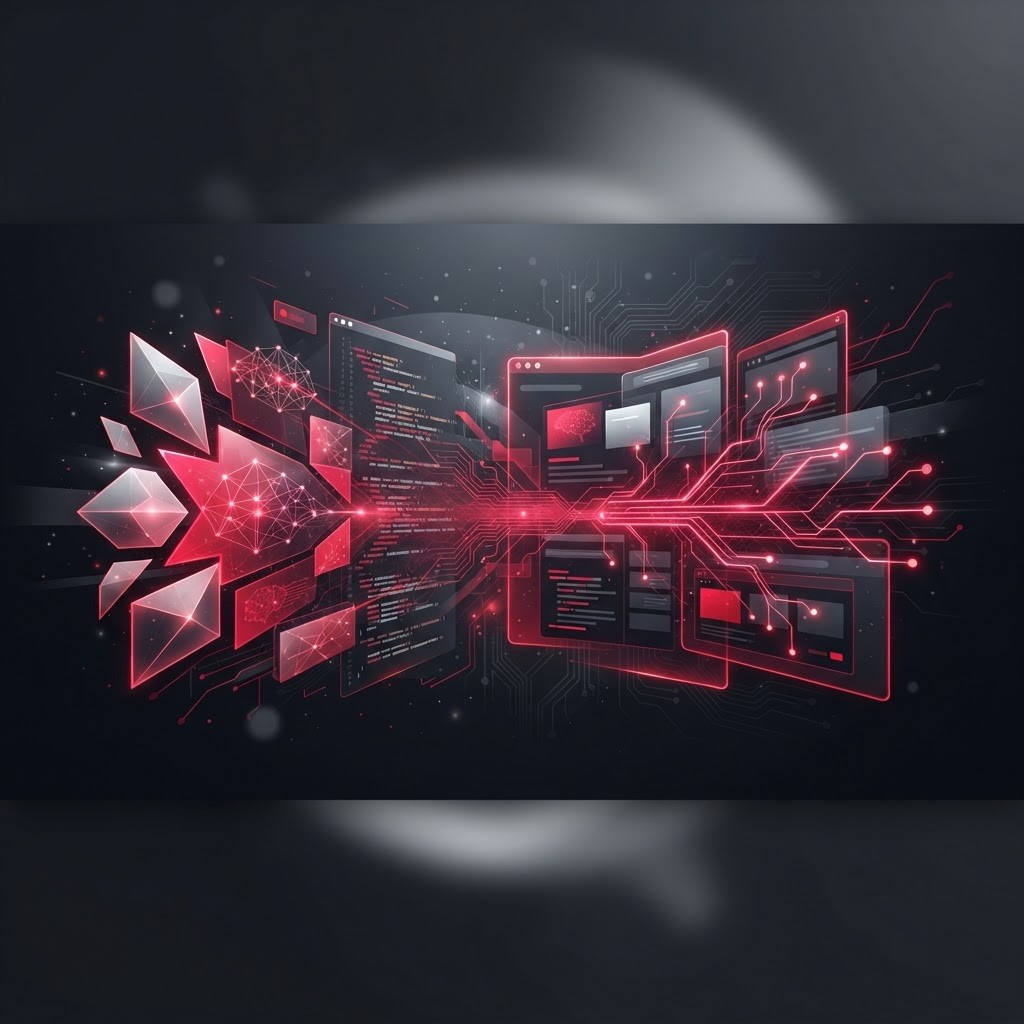
For years, marketing and website development operated as separate disciplines, one focused on messaging and the other on building. Artificial intelligence is dissolving that divide. Today, AI marketing and website development are deeply intertwined, producing websites that personalize themselves, optimize continuously, and respond to visitor behavior in real time. The result is a digital experience where design, content, and marketing strategy work as one intelligent system.
How AAMAX.CO Unifies AI Marketing and Web Development
Bridging strategy and technology takes a team that understands both, and that is exactly what AAMAX.CO offers. As a full-service digital marketing company serving clients worldwide, they connect intelligent marketing with modern website development, building sites that are not only beautiful but engineered to convert. Their team ensures AI-driven personalization, analytics, and campaign goals are baked into the site architecture from day one, so marketing and development reinforce each other rather than compete.
Personalization at the Core of Modern Websites
The clearest intersection of AI marketing and development is personalization. AI analyzes visitor data such as location, device, referral source, and past behavior to tailor what each user sees. A returning customer might be greeted with relevant product recommendations, while a first-time visitor sees content designed to build trust. This dynamic adaptation is coded directly into the website's architecture, requiring close collaboration between marketers and developers.
Rather than a single static page for all users, AI enables thousands of subtle variations, each optimized for the individual, dramatically improving relevance and conversion potential.
Intelligent Content and Dynamic Layouts
AI marketing tools generate and prioritize content, but development brings that content to life. Machine learning determines which headlines, images, and calls to action are most likely to resonate, and the website dynamically arranges these elements accordingly. Layouts can shift based on what drives engagement, surfacing high-performing content and de-emphasizing what underperforms.
This requires a flexible, component-based build. Developers create modular systems that AI can rearrange, ensuring the site remains fast and stable even as content adapts.
Conversion Rate Optimization Through Continuous Testing
A/B and multivariate testing have become far more powerful with AI. Instead of running a handful of manual experiments, AI can test countless combinations of copy, color, layout, and flow simultaneously. It identifies winning variations quickly and can even allocate more traffic to better-performing versions automatically. Embedding this capability requires development frameworks built to support rapid, data-driven change.
Chatbots, Assistants, and Conversational Interfaces
AI-powered chatbots and virtual assistants are now common features that blur the line between marketing and development. These tools qualify leads, answer questions, and guide users toward conversion. Integrating them seamlessly demands both marketing insight, to shape the conversation, and technical implementation, to connect the assistant to site data and backend systems.
Data-Driven SEO and Performance
Search visibility depends on both content and technical excellence. AI marketing identifies valuable keywords and content opportunities, while development ensures the site delivers the speed, structure, and mobile responsiveness that search engines reward. Core Web Vitals, structured data, and clean code all support marketing goals, illustrating how tightly the two disciplines are linked.
Unified Analytics and Feedback Loops
When marketing and development share a single system, data flows freely between them. AI analyzes how design choices affect campaign performance and how marketing efforts influence user behavior on the site. These insights feed continuous improvement, with the website evolving based on real evidence rather than assumptions. This closed loop is only possible when marketing objectives are engineered into the platform itself.
Building for the Future
As AI capabilities expand, the fusion of marketing and development will deepen. Predictive personalization, voice interfaces, and automated content generation all require sites built with flexibility and intelligence in mind. Organizations that plan for this convergence, rather than bolting AI on afterward, will create digital experiences that adapt gracefully to whatever comes next.
Conclusion
AI has made marketing and website development inseparable partners in creating exceptional digital experiences. From real-time personalization and dynamic content to continuous optimization and unified analytics, the two disciplines now reinforce one another at every level. Businesses that integrate AI marketing directly into their development process build websites that do more than inform; they engage, adapt, and convert, delivering lasting competitive advantage.
