
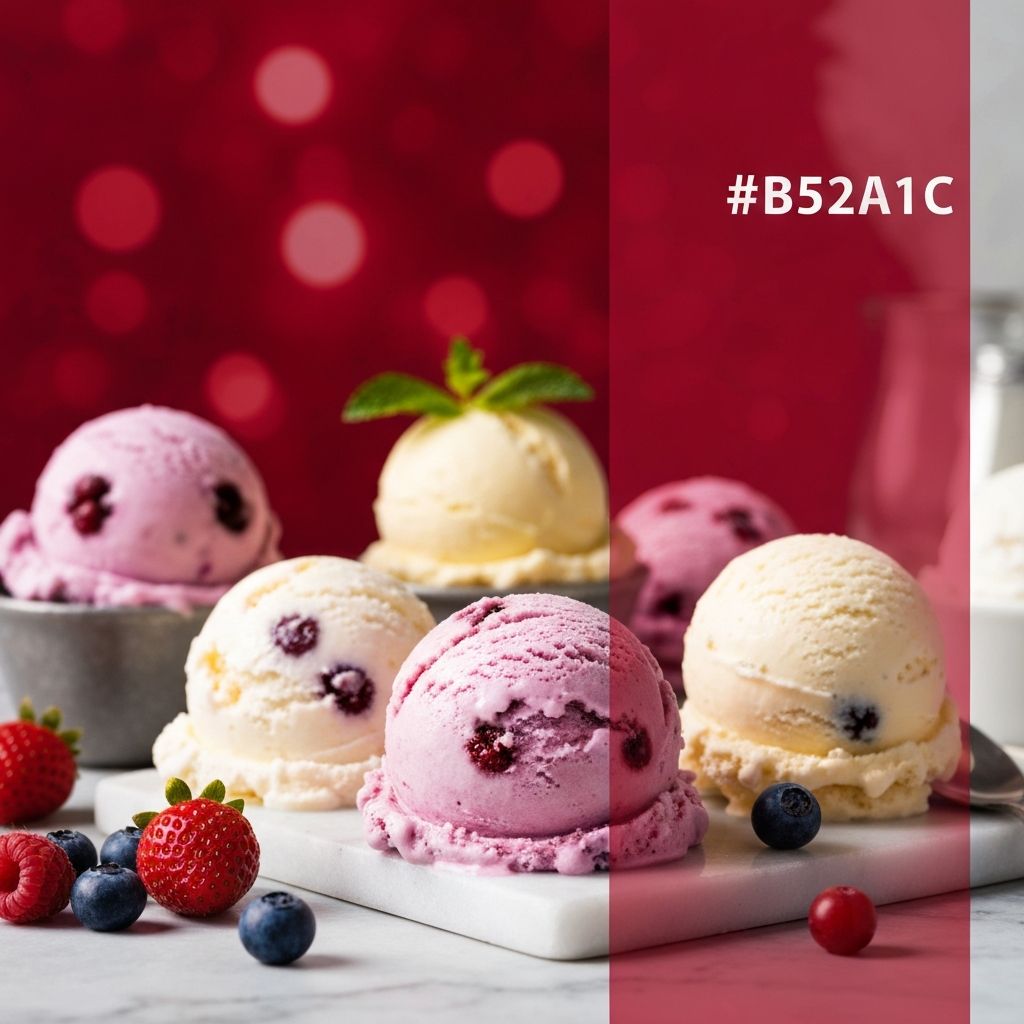
The Art and Science of Homemade Ice Cream
There is something deeply satisfying about making ice cream from scratch. The process transforms simple ingredients like cream, sugar, and eggs into one of the world's most beloved desserts. Whether you are a seasoned home cook or a complete beginner, making homemade ice cream is a rewarding culinary adventure that yields results far superior to most store-bought options. The key to great homemade ice cream lies in understanding the science behind the process and mastering a few fundamental techniques.
At its core, ice cream is a frozen emulsion, a mixture of fat (from cream), water (from milk), sugar, and air. The magic happens during the freezing process, where constant churning breaks up ice crystals and incorporates air, creating the smooth, creamy texture we all love. Without churning, you would end up with a solid block of frozen cream rather than the scoopable, melt-in-your-mouth dessert we crave.
Essential Ingredients for Classic Ice Cream
The foundation of any great ice cream recipe starts with high-quality ingredients. For a classic custard-based (French-style) vanilla ice cream, you will need heavy cream, whole milk, granulated sugar, egg yolks, pure vanilla extract or a vanilla bean, and a pinch of salt. The ratio of cream to milk determines the richness of your final product. A higher proportion of cream yields a richer, denser ice cream, while more milk creates a lighter result.
Heavy cream provides the fat content that gives ice cream its luxurious mouthfeel. Look for cream with at least 36% milk fat for the best results. Whole milk adds body and helps balance the richness of the cream. Sugar does more than just sweeten the ice cream; it also lowers the freezing point of the mixture, which helps prevent the formation of large ice crystals and keeps the ice cream scoopable even when frozen solid. Egg yolks act as an emulsifier, helping to bind the fat and water components together, and they contribute to the custard's rich, velvety texture.
The Custard Base Method (French-Style)
The custard base method produces what many consider to be the gold standard of homemade ice cream. Start by whisking together six large egg yolks and three-quarters cup of granulated sugar in a large bowl until the mixture becomes pale yellow and slightly thick. This process, known as "ribboning," takes about two to three minutes of vigorous whisking.
In a medium saucepan, combine two cups of heavy cream and one cup of whole milk. If using a vanilla bean, split it lengthwise, scrape out the seeds, and add both the seeds and the pod to the cream mixture. Heat the mixture over medium heat until it just begins to simmer, with small bubbles forming around the edges. Do not let it come to a full boil.
Now comes the most critical step: tempering the eggs. Slowly pour about half a cup of the hot cream mixture into the egg yolk mixture while whisking constantly. This gradually raises the temperature of the eggs without scrambling them. Continue adding the hot cream in a steady stream while whisking. Once combined, pour the entire mixture back into the saucepan.
Cook the custard over medium-low heat, stirring constantly with a wooden spoon or silicone spatula, until the mixture thickens enough to coat the back of the spoon. This typically takes six to eight minutes. The custard is ready when you can draw a line through the coating on the spoon with your finger and it holds its shape. The temperature should reach approximately 170 to 175 degrees Fahrenheit (77 to 80 degrees Celsius). Do not let it exceed 180 degrees Fahrenheit, or the eggs may curdle.
Chilling and Churning
Once your custard base is cooked, strain it through a fine-mesh sieve into a clean bowl to remove any bits of cooked egg and the vanilla bean pod. Stir in one teaspoon of pure vanilla extract and a pinch of salt. Place a piece of plastic wrap directly on the surface of the custard to prevent a skin from forming, and refrigerate for at least four hours, though overnight is ideal. The colder the base before churning, the better your ice cream will be.
When you are ready to churn, pour the chilled custard into your ice cream maker and process according to the manufacturer's instructions. Most home ice cream makers take 20 to 30 minutes to churn the ice cream to a soft-serve consistency. During churning, the machine simultaneously freezes the mixture and incorporates air, which is essential for achieving that light, creamy texture.
At the end of churning, your ice cream will have the consistency of thick soft-serve. Transfer it to a freezer-safe container, press a piece of plastic wrap or parchment paper directly onto the surface, and freeze for at least two to four hours until firm. This hardening step allows the ice cream to set up properly and develops the full flavor profile.
No-Churn Ice Cream Method
If you do not own an ice cream maker, the no-churn method is an excellent alternative that produces surprisingly creamy results. The secret ingredient is sweetened condensed milk, which provides both sweetness and a smooth texture without the need for churning. To make no-churn ice cream, whip two cups of cold heavy cream to stiff peaks using a hand mixer or stand mixer. In a separate bowl, combine one 14-ounce can of sweetened condensed milk with two teaspoons of vanilla extract.
Gently fold the whipped cream into the condensed milk mixture in three additions, being careful not to deflate the whipped cream. The folding technique is crucial here; use a large spatula to cut down through the center of the mixture, sweep along the bottom of the bowl, and fold over the top. Continue until the mixture is uniformly combined with no visible streaks. Pour the mixture into a loaf pan or freezer-safe container, cover tightly, and freeze for at least six hours or overnight.
Popular Flavor Variations
Once you have mastered the basic vanilla ice cream, the flavor possibilities are virtually endless. For chocolate ice cream, add six ounces of melted bittersweet chocolate to the warm custard base and reduce the sugar by two tablespoons. For strawberry ice cream, fold in two cups of crushed fresh strawberries that have been macerated with two tablespoons of sugar during the last few minutes of churning.
Cookies and cream is a perennial favorite: simply crush 15 to 20 chocolate sandwich cookies and fold them into the ice cream after churning. For mint chocolate chip, add one teaspoon of peppermint extract (start with half a teaspoon and adjust to taste) and fold in one cup of mini chocolate chips after churning. Coffee ice cream can be made by dissolving two tablespoons of instant espresso powder into the warm custard base.
For more adventurous flavors, consider salted caramel (swirl homemade caramel sauce and a generous pinch of flaky sea salt into the churned ice cream), honey lavender (infuse the cream with dried culinary lavender and sweeten with honey instead of sugar), or brown butter pecan (brown the butter before making the custard and add toasted pecans at the end of churning).
Troubleshooting Common Issues
If your ice cream turns out icy or grainy, the most likely culprit is insufficient fat content or inadequate churning. Make sure you are using heavy cream (not whipping cream or half-and-half) and that your base is thoroughly chilled before churning. If your ice cream is too hard to scoop after freezing, it may contain too little sugar or fat. Try letting it sit at room temperature for five to ten minutes before scooping, or add a tablespoon of vodka or corn syrup to your base before churning, both of which lower the freezing point and keep the texture softer.
If you notice an eggy taste in your custard-based ice cream, the custard may not have been cooked long enough to transform the raw egg flavor, or too many egg yolks were used. Stick to the recommended six yolks per batch and cook the custard slowly and patiently. With practice and attention to these details, you will be producing ice cream shop-quality frozen desserts in your own kitchen in no time.
