
Understanding the Difference Between AI and Marketing Automation
The terms artificial intelligence and marketing automation are often used interchangeably, leading to confusion about what each actually does. While they overlap and increasingly work together, they are fundamentally different technologies with different purposes. Understanding the distinction helps marketers choose the right tools, set realistic expectations, and build strategies that use both to their full potential.
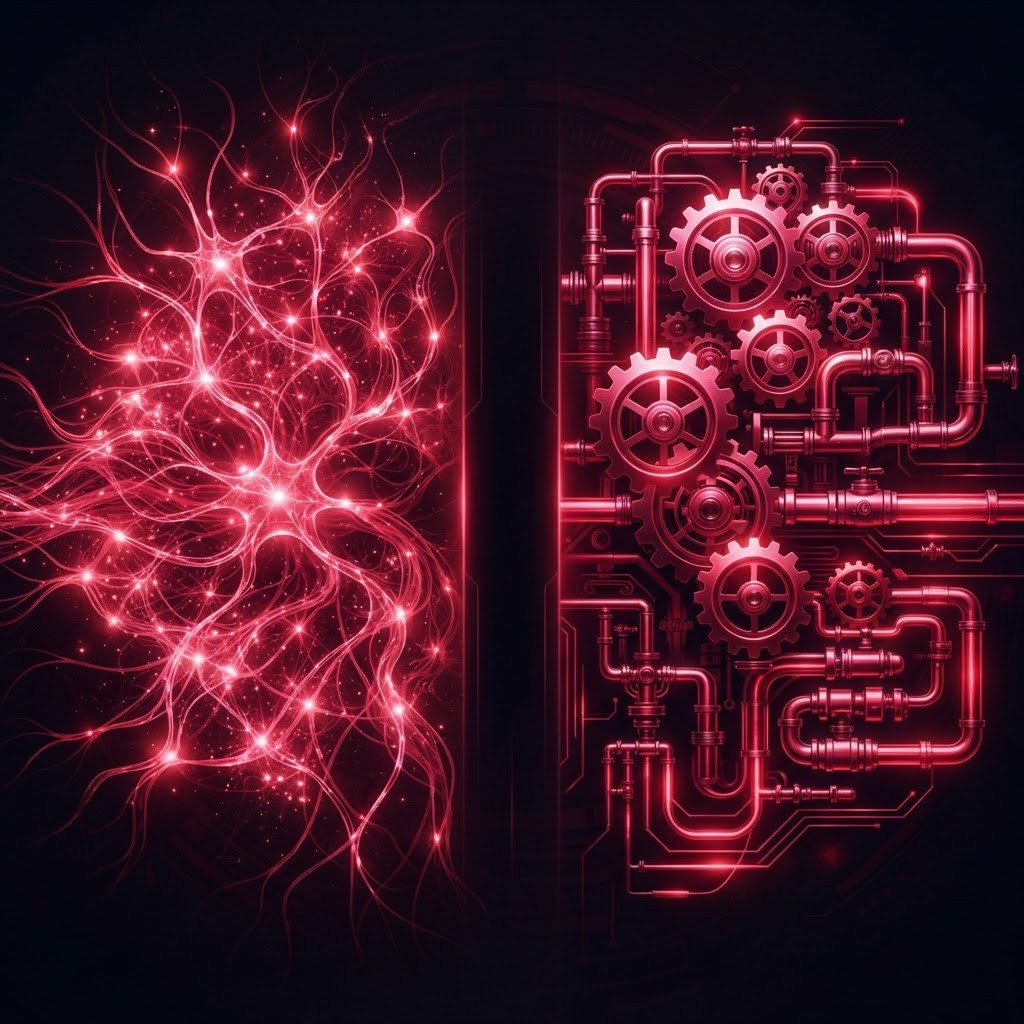
At a high level, marketing automation is about executing predefined tasks efficiently, while AI is about learning, predicting, and making intelligent decisions. Automation follows rules that humans set, whereas AI generates its own insights and adapts over time. Both are valuable, but they solve different problems. Recognizing this difference is the first step toward using each effectively.
How AAMAX.CO Helps You Use Both Effectively
Deciding when to rely on automation, when to apply AI, and how to combine them can be confusing, which is where AAMAX.CO adds value. As a full-service digital marketing company serving clients worldwide, they help businesses understand and deploy both technologies in ways that complement each other. Their team designs strategies that use automation for efficiency and AI for intelligence, ensuring the two work together seamlessly. For brands unsure how to navigate these tools, they provide the clarity and expertise needed to build a modern, effective marketing stack.
What Marketing Automation Actually Does
Marketing automation refers to software that performs repetitive marketing tasks automatically based on rules and triggers. A classic example is an email workflow: when a customer signs up, the system automatically sends a welcome email, followed by a series of onboarding messages on a set schedule. The automation simply executes the sequence a human designed.
Automation excels at consistency and efficiency. It handles tasks like scheduling social posts, sending triggered emails, managing lead nurturing sequences, and updating records. These tasks follow clear if-then logic. The system does exactly what it is told, reliably and at scale, which saves enormous time and reduces human error in routine digital marketing operations.
What AI Actually Does
Artificial intelligence goes beyond following rules. It analyzes data, learns from patterns, and makes predictions or decisions without being explicitly programmed for each situation. Where automation executes a fixed sequence, AI might decide which sequence to use, predict which customer will respond best, or personalize content dynamically for each individual.
AI's defining characteristic is learning. It improves over time as it processes more data, adapting to new patterns and changing conditions. This allows it to handle complexity and ambiguity that rule-based automation cannot. AI answers questions like who is most likely to buy, what message will resonate, and when is the best time to reach someone.
The Key Differences Explained
The clearest way to distinguish the two is by their core function. Automation is about doing, while AI is about thinking. Automation performs tasks; AI makes decisions. Automation is rule-based and static, following the same logic until a human changes it. AI is data-driven and dynamic, evolving its behavior as it learns.
Another difference is adaptability. If market conditions change, an automation workflow keeps running its original rules until someone updates it. An AI system, by contrast, notices the change in the data and adjusts automatically. This makes AI more flexible but also more complex to implement and oversee. Both require human guidance, but in different ways.
How They Work Together
The real power emerges when AI and automation combine. AI provides the intelligence to decide what should happen, and automation provides the mechanism to make it happen efficiently. For example, AI might predict which customers are likely to churn, and automation then executes a personalized retention campaign for each of them.
In this partnership, AI is the brain and automation is the hands. AI determines the optimal action, and automation carries it out at scale. Together they enable marketing that is both intelligent and efficient, personalized and consistent. This combination is what powers the most advanced marketing platforms today.
Choosing the Right Tool for the Job
Understanding the difference helps marketers apply each technology appropriately. For repetitive, rule-based tasks with clear logic, automation is the right choice. It is reliable, predictable, and cost-effective. For tasks requiring prediction, personalization, or adaptation to complex data, AI adds the intelligence that automation lacks.
Many teams start with automation to handle their operational needs, then layer AI on top to make those operations smarter. This progression allows organizations to build a solid foundation of efficiency before adding the sophistication of machine learning. The key is matching the technology to the problem rather than assuming one tool fits every need.
Avoiding Common Misconceptions
A frequent misconception is that automation is outdated and AI has replaced it. In reality, automation remains essential and works better than ever when combined with AI. Another myth is that AI can run marketing without human involvement. In truth, both technologies require human strategy, oversight, and creativity to succeed.
Understanding these realities prevents disappointment and misuse. Neither technology is magic, and neither replaces the need for skilled marketers. Instead, they are powerful tools that amplify human capabilities when applied thoughtfully and combined intelligently.
Conclusion
AI and marketing automation are different but complementary technologies. Automation executes predefined tasks efficiently, while AI learns, predicts, and makes intelligent decisions. Confusing the two leads to misused tools and unmet expectations, but understanding their distinct roles unlocks their combined potential. The most effective marketing strategies use automation for efficiency and AI for intelligence, letting each do what it does best. For brands aiming to compete in a data-driven world, mastering both, and understanding how they differ, is essential to lasting success.
