
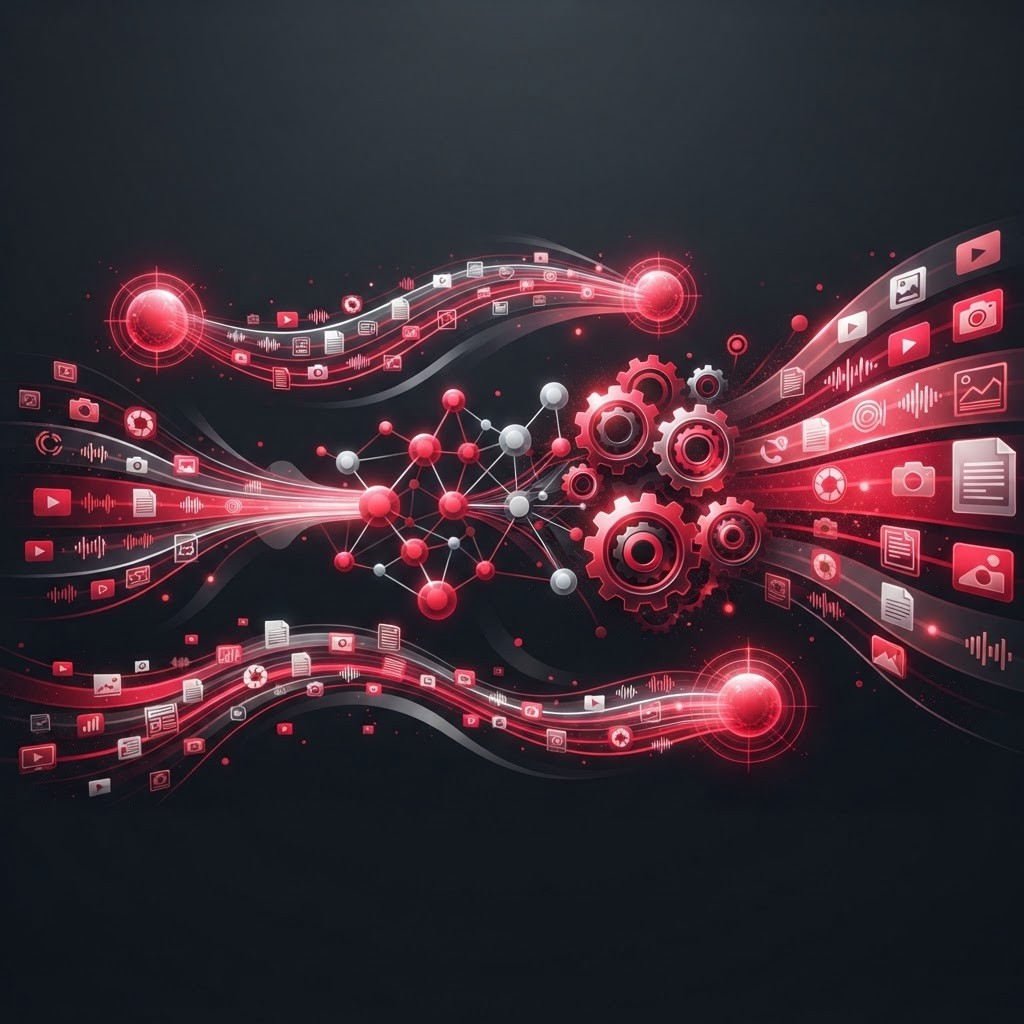
Content marketing has always been resource intensive, demanding constant ideation, creation, optimization, and distribution. AI agents, which are autonomous systems that can plan and execute multi-step tasks, are changing that reality. Unlike simple tools that respond to a single prompt, AI agents can pursue a goal, break it into steps, use multiple tools, and adapt based on results. This shift is transforming content marketing from a collection of manual tasks into an orchestrated, semi-autonomous engine that operates at scale.
Why Brands Turn to AAMAX.CO for AI Agents
Implementing AI agents effectively requires both technical skill and marketing strategy, which is where AAMAX.CO adds value. As a full-service digital marketing company operating worldwide, they help brands design content workflows that intelligently combine AI agents with human strategy. Their expertise in generative engine optimization ensures that agent-produced content is not only efficient but also discoverable in the new era of AI-powered search and answer engines. This helps businesses future-proof their content investments.
From Single Tasks to Autonomous Workflows
Traditional AI tools help with isolated tasks: write a paragraph, suggest a title, summarize an article. AI agents go further by chaining these tasks together toward a larger objective. Given a goal like producing a content cluster on a topic, an agent can research the subject, generate an outline, draft multiple articles, create meta descriptions, suggest internal links, and even schedule publication. Human marketers set the direction and review the output, while the agent handles the orchestration in between.
Smarter Research and Ideation
One of the biggest impacts is on the research phase. AI agents can scan competitors, analyze trending topics, identify content gaps, and cluster keywords by intent, all in minutes. They synthesize this information into actionable briefs that tell writers exactly what to cover and why. This reduces the guesswork in content planning and ensures every piece is grounded in real audience demand rather than assumptions. Ideation becomes data-driven, continuous, and far more comprehensive.
Accelerated Production at Scale
Content agents dramatically increase output. They can draft long-form articles, social posts, email sequences, and product copy simultaneously, maintaining consistency across formats. For large brands managing dozens of campaigns, this scalability is transformative. However, the goal is not to flood the internet with generic material. The smartest implementations use agents to produce strong first drafts that human editors elevate with expertise, brand voice, and originality, preserving quality while multiplying speed.
Personalization and Dynamic Content
AI agents also enable personalization that was previously impossible at scale. They can tailor content to different audience segments, adjusting tone, examples, and calls to action for each group. In email and web experiences, agents can dynamically assemble content based on user behavior, delivering the right message to the right person at the right moment. This level of relevance improves engagement and conversion, making content feel individually crafted even when produced automatically.
Continuous Optimization and Distribution
Beyond creation, agents excel at distribution and optimization. They can analyze performance data, identify which pieces are underperforming, and recommend or even execute updates. They can repurpose a single article into social threads, video scripts, and newsletters, maximizing the value of every asset. By continuously monitoring results and iterating, agents help content marketing become a living system that improves over time rather than a series of one-off publications.
The Human Role in an Agent-Driven World
As agents take over execution, human marketers shift toward higher-value work. They define strategy, guard brand identity, ensure ethical standards, and provide the creative vision and emotional intelligence that machines lack. Oversight remains critical, since agents can make mistakes, misjudge tone, or produce content that needs correction. The most successful teams treat agents as tireless collaborators that handle scale while humans provide judgment, taste, and accountability.
Conclusion
AI agents are transforming content marketing from a manual grind into an intelligent, adaptive engine. They accelerate research, scale production, personalize experiences, and optimize continuously, freeing marketers to focus on strategy and creativity. The brands that win will be those that thoughtfully integrate agents into their workflows while maintaining rigorous human oversight. As this technology matures, content marketing will become faster, smarter, and more responsive than ever, but its soul will still depend on the humans guiding it.
