
Introduction
For decades, sales, support, and marketing teams have operated in silos, each with its own goals, tools, and data. This fragmentation often leads to inconsistent messaging, lost leads, and frustrated customers who must repeat themselves at every touchpoint. AI agents are changing this dynamic by acting as intelligent connectors that share information, automate handoffs, and align teams around a unified view of the customer. The result is smoother collaboration, faster response times, and a more cohesive customer journey. This article examines how AI agents improve collaboration across these three critical functions.
Unify Your Teams With AAMAX.CO
Implementing AI agents that connect departments requires both technical know-how and marketing strategy. AAMAX.CO is a full-service digital marketing company that helps organizations worldwide deploy intelligent systems to unify their sales, support, and marketing operations. Their team understands how to integrate AI-driven tools into existing workflows, and their broad experience in digital growth ensures that these agents serve real business goals. With their guidance, companies can turn disconnected teams into a synchronized revenue engine.
Creating a Shared Source of Truth
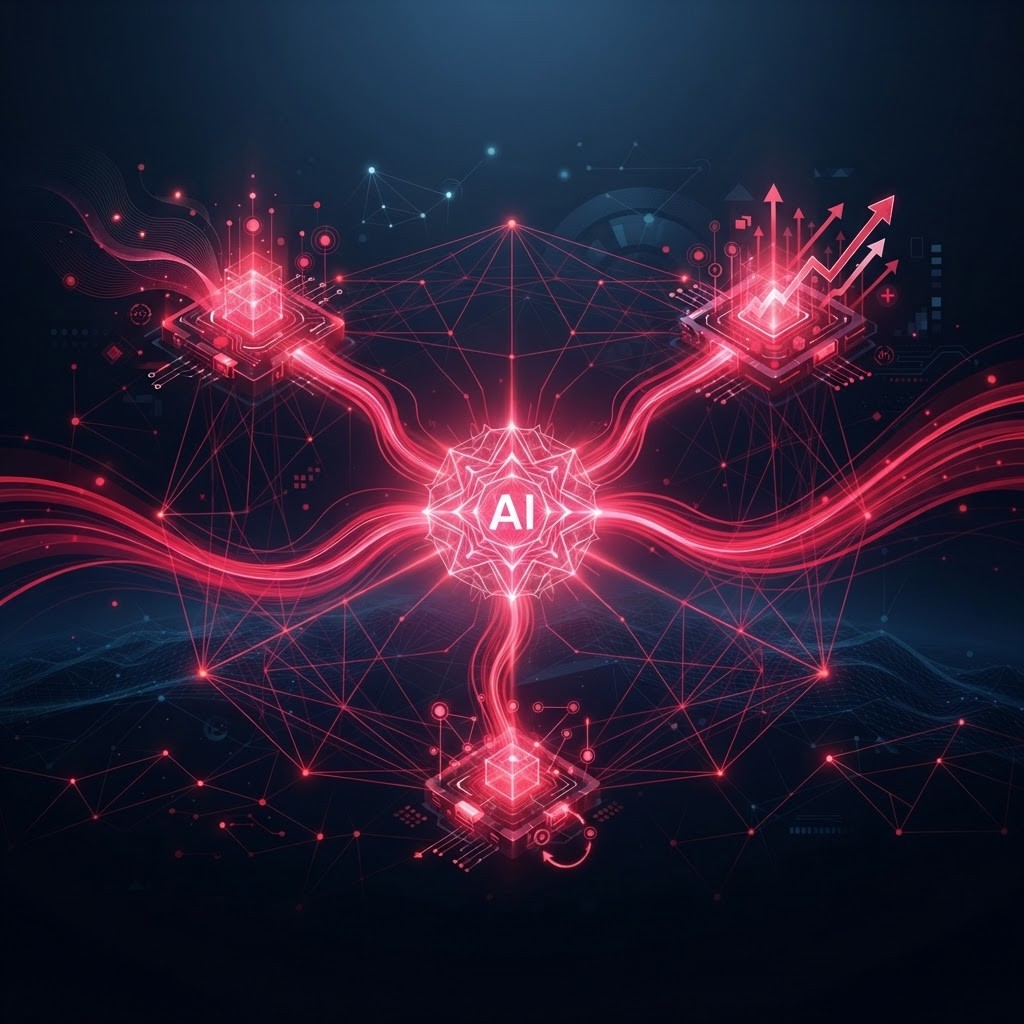
One of the biggest barriers to collaboration is fragmented data. Marketing may track engagement, sales may track deals, and support may track tickets, but these systems rarely speak to one another. AI agents can aggregate and interpret data from multiple sources, creating a shared, real-time view of each customer. When a marketing agent knows what content a lead has consumed, a sales agent knows where the deal stands, and a support agent knows the customer's history, every interaction becomes more informed and relevant. This shared source of truth eliminates guesswork and reduces friction.
Automating Seamless Handoffs
Customers frequently move between departments, and poorly managed handoffs are a common source of frustration. AI agents can automate these transitions, ensuring that context follows the customer. For instance, when a marketing-qualified lead becomes sales-ready, an AI agent can automatically notify the sales team with a complete summary of the lead's interests and behavior. Similarly, when a support issue reveals an upsell opportunity, the agent can flag it for sales. These intelligent handoffs prevent leads from slipping through the cracks and create a continuous, coordinated experience.
Enhancing Communication and Alignment
AI agents also improve internal communication by surfacing insights that keep teams aligned. They can identify trends across conversations, highlight recurring customer pain points, and recommend actions that benefit all three departments. When support notices a wave of questions about a feature, marketing can adjust messaging and sales can address concerns proactively. This continuous feedback loop, powered by AI, ensures that teams work toward shared objectives rather than pulling in different directions.
Personalizing the Customer Experience
Collaboration ultimately serves the customer, and AI agents make personalization at scale possible. By combining data from all touchpoints, agents help teams deliver consistent, tailored experiences. A customer who receives a marketing email, speaks with a salesperson, and later contacts support should feel like they are interacting with one unified organization. AI agents make this continuity achievable by ensuring that every team member has access to the same up-to-date context, enabling personalized and empathetic interactions.
Boosting Efficiency and Productivity
Beyond alignment, AI agents dramatically increase efficiency. They handle routine tasks such as data entry, follow-up scheduling, and status updates, freeing team members to focus on high-value activities. Sales representatives spend more time building relationships, marketers spend more time on creative strategy, and support agents resolve complex issues faster. This productivity boost benefits the entire organization and improves employee satisfaction by reducing tedious work.
Measuring and Improving Collaboration
AI agents also provide valuable analytics that reveal how well teams collaborate. By tracking metrics such as response times, conversion rates, and customer satisfaction across the entire journey, organizations can identify bottlenecks and continuously refine their processes. This data-driven approach turns collaboration from a vague aspiration into a measurable, improvable capability.
Getting Started With AI Agents
Organizations looking to introduce AI agents for collaboration should begin with a clear understanding of their existing workflows and pain points. Identifying where handoffs break down or where data silos cause friction helps prioritize the highest-impact opportunities. Starting with a focused pilot, such as automating lead handoffs between marketing and sales, allows teams to demonstrate value before expanding. It is also important to ensure that data systems can integrate, since AI agents rely on connected information to function effectively. Finally, involving team members from all three departments in the rollout builds trust and ensures the agents serve everyone's needs, laying the foundation for broader adoption and lasting collaboration.
Conclusion
AI agents are transforming the way sales, support, and marketing teams work together. By creating a shared source of truth, automating handoffs, enhancing communication, and enabling personalization at scale, they break down the silos that have long hindered collaboration. The result is a more efficient organization and a dramatically improved customer experience. Businesses that embrace AI-driven collaboration will be better positioned to build lasting relationships and drive sustainable growth in an increasingly competitive market.
