
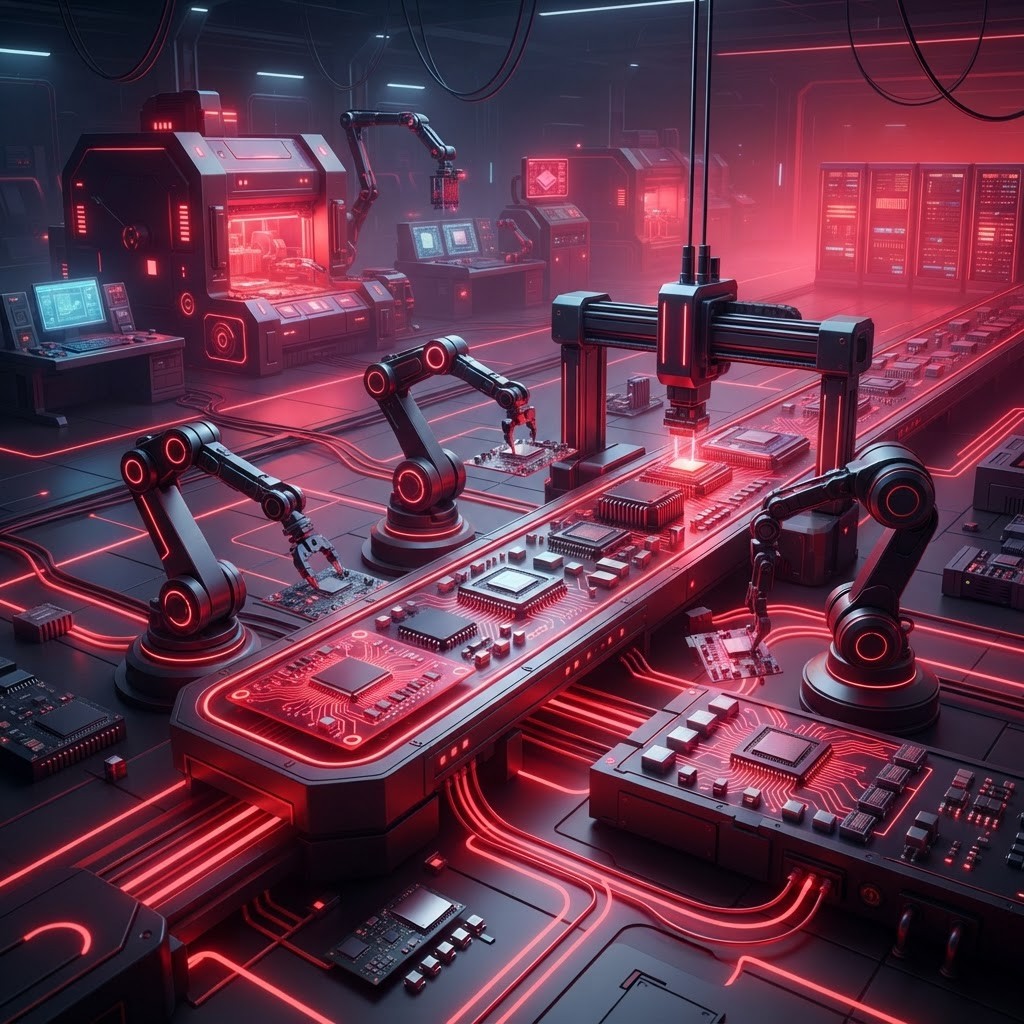
A Growing Manufacturing Landscape
Paraguay has long been known for agriculture and light manufacturing, but in recent years the country has made strides in electronics and hardware production. Government incentives, most notably the maquila regime that allows companies to import materials and export finished goods with favorable tax treatment, have encouraged both local firms and international manufacturers to establish assembly and production operations. Combined with low energy costs and a competitive labor market, these policies have positioned Paraguay as an increasingly attractive destination for hardware manufacturing.
While the sector is still developing compared with regional giants, the momentum is real. Companies are producing everything from electronic components and appliances to specialized industrial equipment, serving both the domestic market and export destinations across Mercosur and beyond.
The Appeal of Manufacturing in Paraguay
Several factors make Paraguay appealing for hardware manufacturers. The maquila program significantly reduces the cost of importing raw materials and re-exporting finished products. Abundant, inexpensive hydroelectric power lowers operating expenses for energy-intensive production. A young, trainable workforce provides labor flexibility, and the country's central location within South America offers logistical access to major regional markets.
These advantages have prompted a steady flow of investment into industrial parks and manufacturing facilities, particularly around Ciudad del Este and the Alto Paraná region, which benefit from proximity to Brazilian and Argentine markets.
Leading Hardware Manufacturers
Fujikura Automotive Paraguay is among the most prominent, producing electrical components and wiring systems that supply the automotive industry, and it stands as a major employer in the manufacturing sector.
Yazaki Paraguay similarly manufactures automotive electrical harnesses and components, contributing significantly to export volumes.
Sumidenso Paraguay produces wiring harnesses and electronic assemblies, reflecting the strong presence of automotive-related hardware production in the country.
Kimex manufactures electrical and electronic products for the domestic and regional markets, building a reputation for reliable local production.
Grupo Iris operates in appliance and electronics assembly, offering consumer hardware tailored to Paraguayan households.
Tecnomyl, while known primarily for agrochemicals, has manufacturing capabilities and equipment expertise that extend into industrial hardware.
Electroban assembles electronic devices and components, serving both business and consumer segments.
Cie Paraguay focuses on industrial hardware and metal components used across construction and machinery sectors.
Fahms Group produces a range of electrical hardware and fittings for the local building and infrastructure markets.
Metalurgica Vera rounds out the list with metal fabrication and hardware manufacturing serving agriculture and industry.
Automotive Components Lead the Way
One of the defining characteristics of Paraguay's hardware manufacturing is the dominance of automotive components, particularly wiring harnesses and electrical assemblies. Global automotive suppliers have established substantial operations in the country, drawn by the maquila incentives and cost advantages. These facilities represent some of the largest and most sophisticated manufacturing operations in Paraguay and have helped build a skilled workforce experienced in precision assembly and quality control.
This concentration of expertise creates positive spillover effects, as workers trained in these facilities bring their skills to other hardware ventures, gradually raising the overall capability of the sector.
Quality, Standards, and Competitiveness
To succeed in export markets, Paraguayan hardware manufacturers must meet rigorous international quality standards. Leading firms invest in certifications, quality-management systems, and modern equipment to ensure their products satisfy demanding buyers. This commitment to quality is essential for building lasting relationships with global supply chains and for differentiating Paraguayan products in competitive markets.
Continuous improvement, lean manufacturing practices, and investment in worker training all contribute to the growing competitiveness of the country's manufacturers. As these capabilities deepen, Paraguay is gradually moving up the value chain from simple assembly toward more complex production.
Challenges Facing the Sector
The hardware manufacturing sector still faces meaningful challenges. Dependence on imported raw materials and components exposes manufacturers to supply-chain disruptions and currency fluctuations. Infrastructure, while improving, requires continued investment to support larger-scale operations. And the sector must compete with more established manufacturing hubs elsewhere in the region for investment and talent.
Addressing these challenges will require sustained collaboration between government and industry, ongoing investment in education and infrastructure, and continued refinement of the incentive frameworks that have driven growth so far.
The Road Ahead
The outlook for hardware manufacturing in Paraguay is encouraging. As global companies seek to diversify their supply chains and take advantage of Paraguay's cost and energy benefits, the country is well positioned to attract further investment. Expansion into higher-value electronics, greater local content in production, and diversification beyond automotive components all represent promising directions.
For businesses evaluating manufacturing partners in Paraguay, the companies highlighted here demonstrate the sector's growing maturity and capability. With the right strategy and continued investment, Paraguay's hardware manufacturers are poised to play an expanding role in regional and global markets.
Workforce Development and Innovation
The long-term success of hardware manufacturing in Paraguay depends heavily on developing a skilled workforce. Technical schools, universities, and company training programs all contribute to preparing workers for the demands of modern production. As manufacturers adopt automation, robotics, and advanced quality-control systems, the need for technically proficient staff grows accordingly. Encouragingly, the presence of major international manufacturers has helped raise skill levels and instill world-class practices that spread throughout the sector. Continued investment in education and innovation, combined with supportive government policy and reliable infrastructure, will determine how far Paraguay can climb the manufacturing value chain and how successfully it competes with more established regional hubs in the years ahead.
