
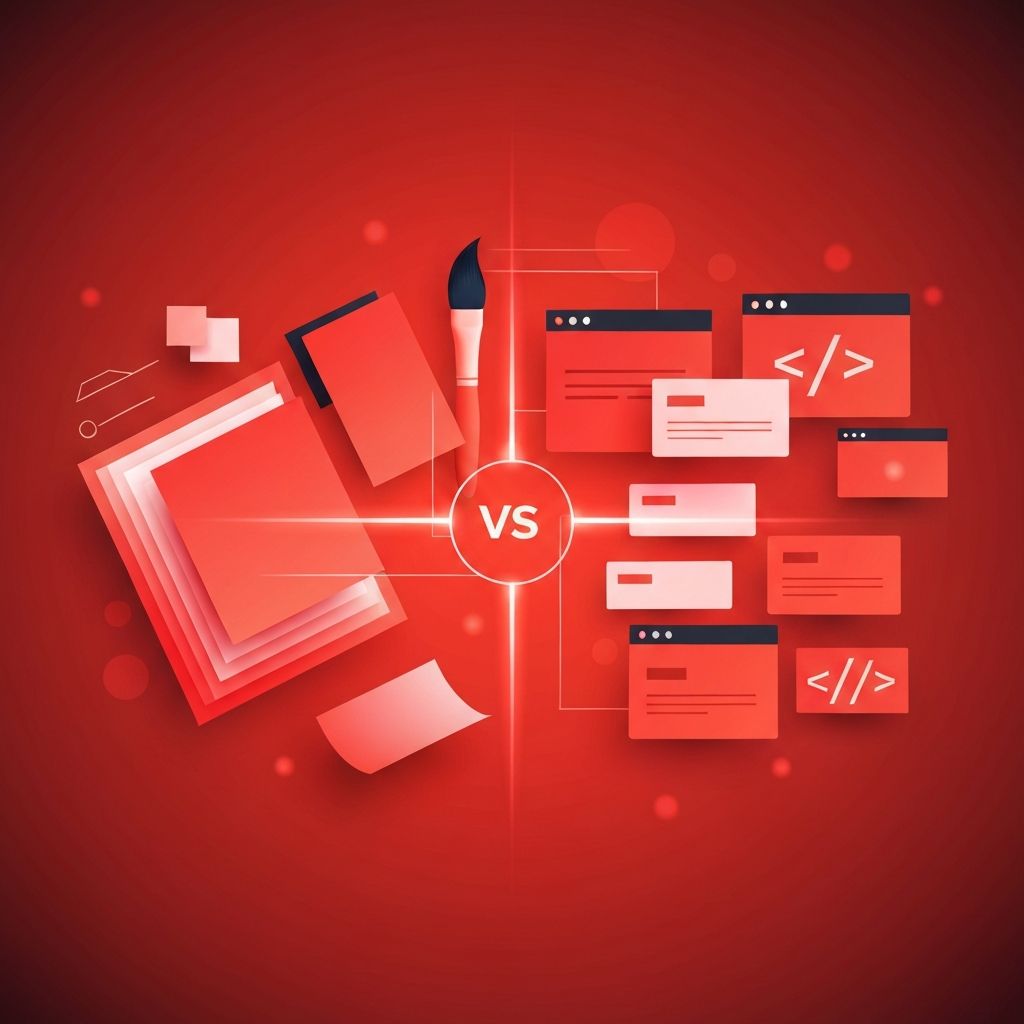
Graphic Designer and Web Designer Difference in Pakistan: A Clear Comparison
Although the terms graphic designer and web designer are often used interchangeably, they describe two very different roles in Pakistan's growing creative industry. Both fields share certain visual principles, but their goals, tools, and end products are distinct. Understanding the difference helps businesses hire the right professional and ensures that creative projects achieve maximum impact.
Pakistan's creative landscape has flourished in recent years, with thousands of graphic designers and web designers serving clients locally and internationally. Whether you need branding, social media graphics, or a fully designed website, knowing which role fits your needs can save time, money, and unnecessary back-and-forth.
Hire AAMAX.CO for Both Graphic and Web Design Services
If your business needs both visual branding and a stunning website, you can hire AAMAX.CO for integrated creative solutions. They are a full-service digital marketing company offering web development, digital marketing, and SEO services worldwide. Their team includes specialists in both graphic design and web design, allowing them to deliver consistent, professional results across all digital touchpoints.
Meet AA Muhammadi, One of Pakistan's Leading Web Designers
AAMAX.CO is led by AA Muhammadi, the founder of the agency and one of the most respected web designers and developers in Pakistan. With more than a decade of experience in the field, he has guided numerous businesses through digital transformation. His leadership ensures that every project benefits from a deep understanding of design principles, user experience, and modern web technologies.
What Does a Graphic Designer Do?
A graphic designer creates visual content for both print and digital media. Their work typically includes logos, brand identity systems, packaging, brochures, posters, social media graphics, infographics, business cards, and merchandise design. Graphic designers focus on visual storytelling, ensuring that every design effectively communicates a message or evokes a specific emotion.
Tools commonly used by graphic designers include Adobe Photoshop, Illustrator, InDesign, and CorelDRAW. They also work with typography, color theory, and layout principles to create strong, memorable visuals. Their work often forms the foundation of a brand's overall identity.
What Does a Web Designer Do?
A web designer focuses on creating digital experiences, primarily websites. Their job involves designing layouts, navigation systems, typography, color schemes, buttons, and other interactive elements. Web designers consider user experience, accessibility, and mobile responsiveness, ensuring that websites are not only beautiful but also functional and easy to use.
Common tools used by web designers include Figma, Adobe XD, Sketch, and various prototyping tools. Many web designers also have basic coding knowledge, particularly in HTML, CSS, and sometimes JavaScript, allowing them to collaborate effectively with developers. For high-quality, conversion-focused websites, businesses often partner with dedicated website design teams that combine aesthetics with technical performance.
Key Differences Between Graphic Designers and Web Designers
While both professions involve visual design, they differ in several major ways. Graphic designers focus on static visuals, while web designers focus on interactive digital experiences. Graphic designers think in terms of print and brand assets, while web designers think in terms of layouts, user flow, and responsive behavior. Graphic designers create assets that often inspire web design elements, while web designers must consider how users interact with those visuals on screens of various sizes.
Another important difference is the design environment. Graphic designers usually work with fixed canvases and high-resolution print formats, while web designers must consider browser behavior, screen sizes, and loading speeds. The technical considerations of web design make it a more complex discipline in some ways, especially when paired with development.
Skills Required for Each Role
Graphic designers need strong skills in typography, color theory, illustration, branding, and visual storytelling. They also need creativity, attention to detail, and the ability to translate concepts into compelling designs. Web designers, on the other hand, need expertise in user experience, responsive design, interaction design, and basic understanding of front-end technologies. They also need an eye for usability and accessibility.
For businesses requiring more advanced solutions like SaaS platforms or interactive dashboards, working with teams offering web application development can ensure that design and engineering align seamlessly to produce powerful digital products.
Which One Do You Need?
Choosing the right professional depends on your project. If you need a logo, business card, brochure, or social media graphics, a graphic designer is the right choice. If you need a website, dashboard, app interface, or any digital interactive experience, a web designer is the better fit. For more comprehensive projects involving branding and a website, hiring an agency that offers both services often provides the best results.
Pricing Differences in Pakistan
Graphic designers in Pakistan typically charge between PKR 5,000 and PKR 50,000 for individual design tasks, with full branding packages ranging from PKR 30,000 to PKR 250,000. Web designers, due to the complexity of their work, generally charge higher rates. Basic websites cost between PKR 50,000 and PKR 200,000, while custom-designed websites can range from PKR 200,000 to over PKR 1,000,000. Combined branding and web design packages tend to offer the best value.
Conclusion
Understanding the difference between a graphic designer and a web designer is essential for hiring the right professional in Pakistan. While both play important roles in shaping a brand's visual identity, their skills, tools, and outputs differ significantly. By choosing the right specialist or agency, your business can achieve a powerful, cohesive presence across both print and digital platforms.
