
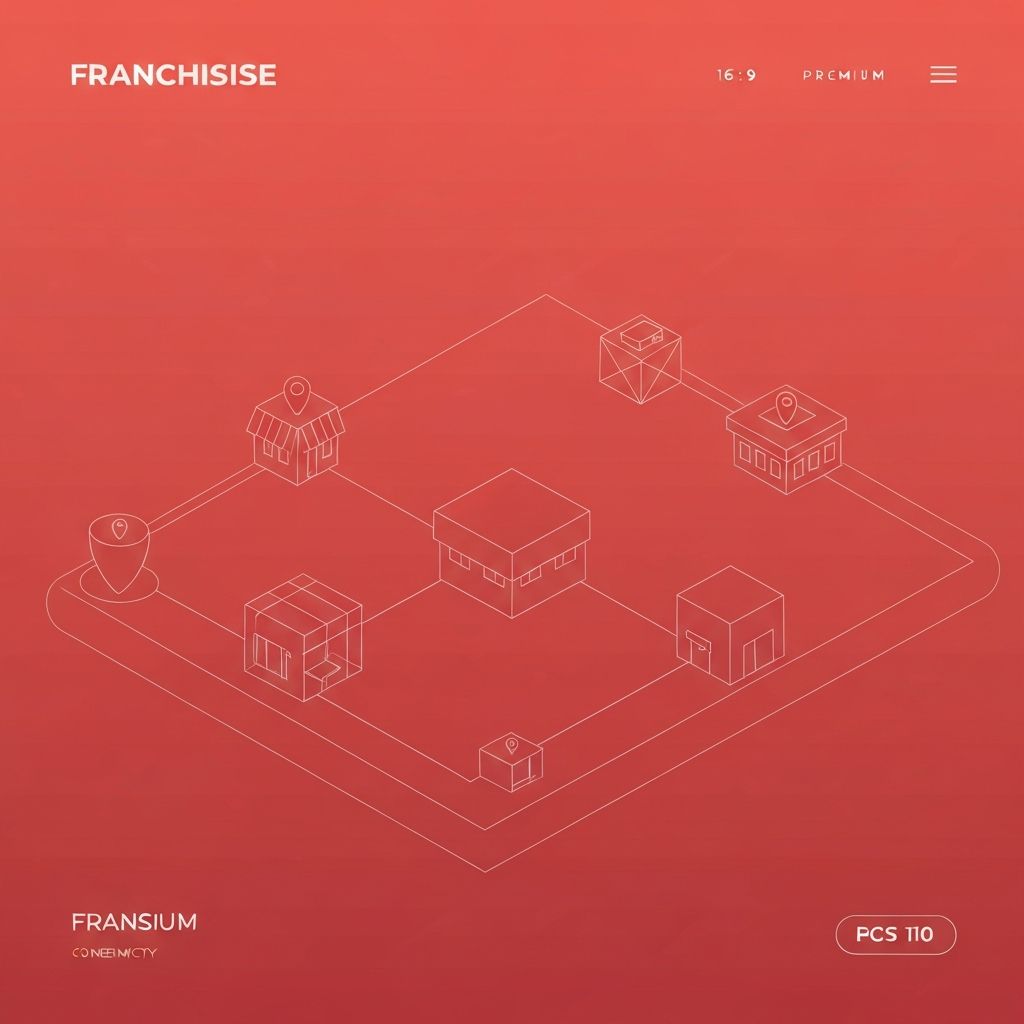
The Unique Challenges of Franchise Web Presence
Franchise organizations face distinctive web design challenges that require balancing corporate brand consistency with individual location needs. Unlike single-location businesses, franchises must present unified brand experiences while accommodating the marketing requirements, contact information, and unique characteristics of multiple independent operators across diverse markets.
Successful franchise web design strategies address these complexities through thoughtful architecture, flexible content management systems, and governance frameworks that protect brand integrity while empowering franchisees to serve their local markets effectively.
How AAMAX.CO Provides Comprehensive Franchise Web Solutions
AAMAX.CO is a full-service digital marketing company that specializes in developing franchise web application development solutions for organizations worldwide. Their team understands the complex requirements of multi-location businesses and creates scalable platforms that maintain brand consistency while supporting local customization. They develop sophisticated content management systems enabling corporate oversight of brand presentation while giving franchisees tools to manage their local web presence. Their solutions address the full franchise web ecosystem, from corporate sites to individual location pages, ensuring cohesive digital experiences across entire franchise networks.
Corporate vs. Individual Location Websites
Franchise web strategies typically involve multiple website components serving different purposes and audiences. Corporate websites present the overall brand, recruit new franchisees, and provide general information to consumers. Individual location sites or pages address local customer needs with specific contact details, hours, services, and community information.
The relationship between corporate and local web properties requires careful planning. Some franchises maintain centralized websites with location-specific pages, while others allow franchisees to operate independent sites within brand guidelines. Each approach has advantages depending on franchise structure, franchisee capabilities, and marketing objectives.
Brand Consistency and Guidelines
Maintaining visual and messaging consistency across franchise web properties protects brand equity and ensures customers receive predictable experiences regardless of location. Design systems establishing approved colors, typography, imagery styles, and layout patterns provide frameworks for consistent presentation.
Content guidelines governing messaging tone, approved claims, and required disclosures ensure franchise websites communicate appropriately and comply with regulations. Template systems enforcing these standards reduce the risk of brand dilution while simplifying website creation and maintenance.
Content Management for Multiple Locations
Effective franchise content management systems enable efficient updates across many websites while allowing appropriate local customization. Hierarchical permission structures give corporate teams control over brand elements while franchisees manage location-specific content.
Centralized management of shared content such as product descriptions, promotional messaging, and brand assets ensures consistency and reduces redundant effort. Local content areas for hours, contact information, team photos, and community involvement add relevance for local audiences.
Local SEO and Location Pages
Search visibility for individual franchise locations requires dedicated local SEO strategies. Unique location pages with distinct content, local keywords, and proper schema markup help each franchise appear in relevant local searches.
Google Business Profile integration, consistent NAP (name, address, phone) information, and location-specific content all contribute to local search performance. Review management and local link building further enhance individual location visibility in their service areas.
Scalable Technical Architecture
Franchise websites must accommodate growth as new locations open while maintaining performance and manageability. Scalable architectures using content management platforms, database structures, and hosting solutions designed for multi-site deployments support expansion without technical complications.
Automated provisioning processes enable rapid new location site creation using approved templates and standard configurations. These efficiencies reduce setup time and costs while ensuring new locations immediately benefit from established brand presentation and functionality.
Franchisee Training and Support
Franchisees with varying technical backgrounds require training and ongoing support to effectively manage their web presence. Documentation, video tutorials, and structured training programs help franchisees understand their responsibilities and capabilities within the web system.
Help desk support, regular webinars, and community forums provide ongoing assistance and share best practices across the franchise network. Empowered franchisees who understand and utilize their web tools contribute to stronger overall digital performance.
Performance Tracking and Reporting
Comprehensive analytics tracking across franchise web properties provides insight into overall performance and individual location effectiveness. Corporate dashboards aggregating data from all locations enable network-wide analysis and benchmarking.
Individual location reporting helps franchisees understand their web performance and identify improvement opportunities. Comparative metrics showing performance relative to network averages motivate improvement and highlight successful practices worth sharing.
Franchise Recruitment and Development
Corporate franchise websites often serve dual purposes, attracting customers while also recruiting prospective franchisees. Dedicated franchise opportunity sections presenting the business model, investment requirements, support systems, and success stories attract qualified candidates.
Lead capture forms, information request mechanisms, and automated nurturing sequences support the franchise development process. Integration with franchise recruitment systems ensures efficient handling of inquiries and consistent follow-up.
