
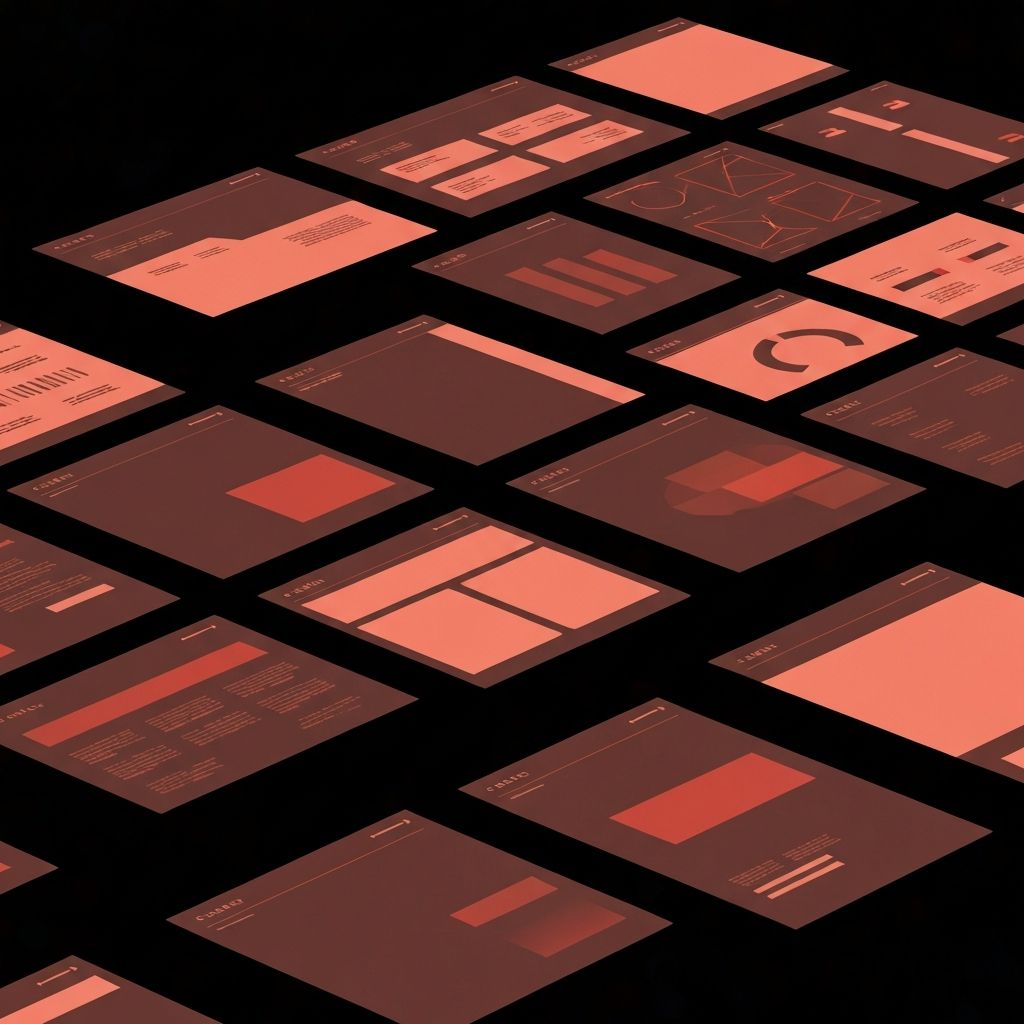
The Era of Flash Web Design Templates
In the early 2000s, Flash web design templates dominated marketplaces and inspiration galleries. Small businesses, freelancers, and aspiring designers could buy a polished Flash template, swap in their own logos and copy, and launch an animated website that would have cost a fortune to build from scratch. These templates introduced millions of people to motion-driven design, immersive intros, and cinematic transitions. For many companies, they were the first taste of a website that felt alive rather than static.
Categories ranged from photography portfolios and music band sites to corporate brochures and restaurant pages. Templates were sold across major marketplaces, often bundled with sound effects, fonts, and editable source files. The combination of accessibility and creative ambition made Flash templates one of the defining trends of an entire web era.
How AAMAX.CO Builds Modern Equivalents
AAMAX.CO is a full service digital marketing company offering web development, digital marketing, and SEO services worldwide. While Flash templates are no longer viable, the demand for visually rich, ready-to-launch websites is stronger than ever. AAMAX.CO helps brands replicate the energy of Flash-era templates using modern frameworks, motion libraries, and conversion-focused layouts that load fast and rank well in search.
For more complex needs that go beyond template-based sites, such as configurators, dashboards, or interactive storytelling, their web application development capabilities allow brands to deliver custom experiences without sacrificing performance.
Why Flash Templates Were So Popular
Flash templates solved several problems at once. They were affordable, often selling for less than the cost of a single hour of custom design. They were visually impressive, often featuring full-screen animations, slideshows, and atmospheric music. And they were relatively easy to customize for users with basic design and Flash editing skills. For small studios, they became a quick way to deliver client work that looked far more expensive than it actually was.
The marketplaces that hosted them also fostered a sense of community. Designers could review templates, request modifications, and discover new creative directions. The resulting ecosystem helped popularize trends like cinematic intros, interactive menus, and parallax effects long before those concepts became mainstream.
The Limitations That Ended the Trend
Despite their visual appeal, Flash templates suffered from the same problems as Flash itself. They were locked behind a plug-in, invisible to search engines, slow to load, and incompatible with the rising tide of mobile devices. Updating a Flash template often required specialized software and skills that were beyond most small business owners. As mobile traffic exploded and Apple refused to support Flash on its devices, the writing was on the wall.
By the late 2010s, marketplaces had largely transitioned to HTML5, WordPress, Shopify, and other modern platforms. Buyers no longer wanted templates that excluded half their audience or hurt their search rankings.
Modern Templates That Capture the Same Spirit
Today's modern web templates can deliver the same wow factor that Flash once provided, with none of the limitations. Frameworks built on Next.js, Astro, and modern WordPress themes combine fast loading times with sophisticated animations powered by libraries like GreenSock and Framer Motion. Lottie animations, WebGL backgrounds, and scroll-triggered transitions create cinematic experiences that work across every device.
For brands looking for a polished starting point, premium template marketplaces now offer designs for SaaS, agencies, e-commerce, portfolios, and more. Pairing a strong template with thoughtful website design customization produces results that feel completely bespoke.
Choosing the Right Modern Template
Not every template is created equal. The best modern templates are built on well-maintained frameworks, follow accessibility standards, score well on core web vitals, and ship clean, semantic code. Buyers should look for templates with active support, regular updates, and clear documentation. Reading recent reviews and inspecting live demos on both desktop and mobile reveals far more than promotional screenshots ever can.
It also helps to evaluate templates against the project's actual goals. A flashy hero animation is exciting, but it must support the business's conversion goals rather than distract from them. A template that looks beautiful but buries the call to action is a liability, not an asset.
Customizing Templates Without Breaking Them
One of the biggest mistakes buyers make is customizing templates without understanding how they are built. Heavy modifications to typography, layout, and component structure can introduce performance issues, accessibility problems, and maintenance headaches. The safest approach is to keep core architecture intact while customizing colors, fonts, content, and imagery. Larger structural changes are best handled by an experienced website development team that understands the underlying framework.
Version control, staging environments, and clear backups are essential when modifying any template-based site. They protect the project from costly mistakes and make it easier to roll back changes if something goes wrong.
SEO and Performance for Template-Based Sites
Modern templates can rank just as well as fully custom sites when they are configured properly. Clean URLs, semantic HTML, descriptive meta tags, structured data, optimized images, and fast hosting all contribute to strong search performance. Site owners should also pay attention to internal linking, schema markup, and ongoing content updates. A template launched and forgotten will lose ground; a template treated as a living asset will continue to grow in value.
The Modern Legacy of Flash Templates
Flash web design templates may no longer be viable, but their influence is everywhere. They taught an entire industry that the web could be cinematic, expressive, and emotional. Today's template ecosystem builds on that foundation with better technology, broader compatibility, and stronger performance. Brands that combine a great modern template with thoughtful customization can launch quickly, look exceptional, and grow with confidence.
