
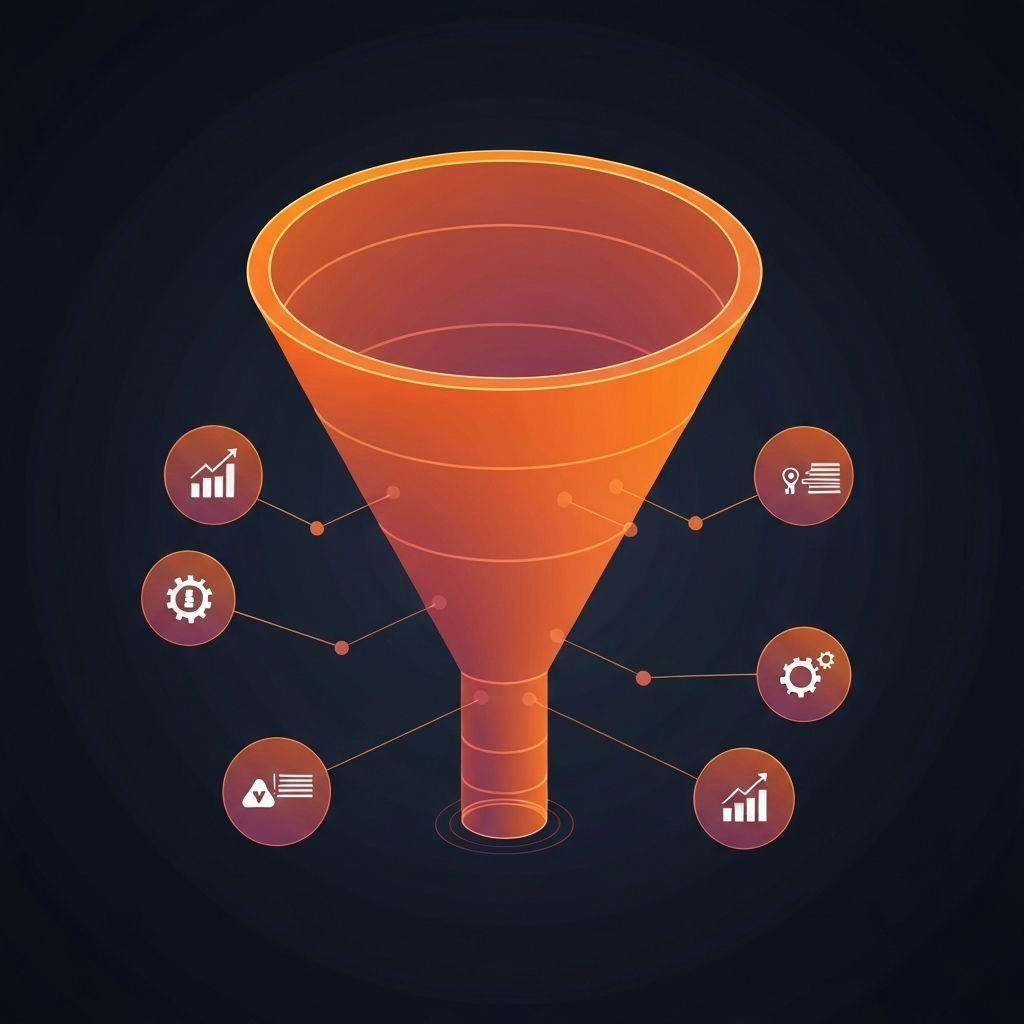
What End to End Digital Marketing Really Means
End to end digital marketing is the practice of managing every stage of the customer journey through connected, data-driven strategies. Instead of running isolated campaigns for SEO, social media, email, or paid ads, end to end marketing treats them as parts of a single system. From the moment a stranger first hears about a brand to the day they become a loyal advocate, every touchpoint is planned, measured, and optimized. This approach produces compounding results, because each channel reinforces the others and contributes to long-term growth.
Hire AAMAX.CO for End to End Marketing
Most businesses cannot easily build internal teams that cover every digital channel at a high level. AAMAX.CO provides end to end digital marketing services that span strategy, design, development, content, SEO, paid media, and analytics. Their integrated team works as a single growth engine, helping companies move beyond fragmented vendors and toward unified marketing programs that deliver consistent results across every stage of the customer lifecycle.
Stage One: Strategy and Foundations
End to end marketing begins with strategy. This means clearly defining business goals, understanding the target audience, mapping the customer journey, and analyzing competitors. From there, marketers identify the right mix of channels, key performance indicators, and brand messages. Foundational assets like positioning statements, value propositions, brand guidelines, and core content pillars are developed at this stage. Without this groundwork, even the best execution leads to inconsistent and short-lived results.
Stage Two: Awareness and Discovery
Once strategy is in place, brands must become discoverable. This is where strong search engine optimization, content marketing, public relations, and brand-focused paid campaigns play key roles. The goal is to be present in the searches, feeds, and conversations of the target audience. High-quality blog posts, videos, podcasts, and social content establish authority, while display and video ads expand reach. Awareness is not vanity; it is the soil in which every later conversion grows.
Stage Three: Consideration and Education
Once people know a brand exists, they want to understand what it offers and why it matters. This stage relies on educational content, comparison guides, case studies, webinars, and email newsletters. Social media marketing nurtures interest by sharing stories, behind-the-scenes content, and customer experiences. Retargeting campaigns keep the brand top of mind for people who have already engaged. End to end marketing ensures that the messages and offers a prospect sees are aligned across every channel they visit.
Stage Four: Conversion and Acquisition
The conversion stage is where strategy meets execution most directly. Optimized landing pages, persuasive copy, clear calls to action, and frictionless checkout or signup flows are critical. Performance campaigns through Google ads, social ads, and marketplaces drive high-intent traffic to these experiences. A/B testing and conversion rate optimization continually refine the path from interest to purchase. The aim is not just to capture more conversions, but to do so at a sustainable cost while maintaining strong customer quality.
Stage Five: Onboarding and Retention
Acquisition is only the beginning. End to end marketing pays serious attention to what happens after a customer buys or signs up. Onboarding sequences via email, in-app messages, and tutorials help customers get value quickly. Retention programs, loyalty rewards, personalized offers, and proactive support reduce churn and increase lifetime value. Strong retention turns marketing budgets into long-term revenue rather than short-term spikes, which is what separates resilient brands from fragile ones.
Stage Six: Advocacy and Referrals
The most powerful marketing is done by happy customers themselves. Reviews, testimonials, case studies, referral programs, and user-generated content amplify reach without proportional spend. End to end strategies include intentional steps to invite advocacy, such as post-purchase follow-ups, branded hashtags, and ambassador programs. When customers feel genuinely valued, they bring others along, and acquisition costs naturally decline over time.
Tying It All Together With Data
None of this works without strong measurement. End to end marketing relies on connected analytics that track customer behavior across channels, devices, and touchpoints. Dashboards reveal where the journey breaks down, which campaigns truly drive value, and where to invest next. Attribution models, cohort analysis, and predictive insights turn marketing into a discipline of continuous improvement. Teams that master measurement consistently outperform those that rely on intuition alone.
Common Pitfalls to Avoid
Many companies say they want end to end marketing but still treat each channel as a silo. Common mistakes include misaligned messaging across channels, focusing only on top-of-funnel metrics, neglecting retention, and underinvesting in analytics. Another frequent issue is hiring multiple disconnected vendors who optimize their own KPIs instead of the bigger picture. End to end success requires alignment of strategy, teams, technology, and metrics around the customer.
Final Thoughts
End to end digital marketing is not a buzzword; it is a disciplined way of building durable growth. By managing the entire customer journey as one connected system, brands can attract better customers, convert them more efficiently, and keep them longer. With the right strategy, tools, and partners, businesses can transform marketing from a series of campaigns into a long-term competitive advantage that compounds year after year.
