
Can Ice Cream Actually Expire?
Ice cream is a frozen dessert beloved by millions worldwide, and many people assume that because it is stored in the freezer, it will last indefinitely. However, the truth is that ice cream can and does go bad. While freezing significantly slows the growth of bacteria, it does not stop all forms of degradation. Over time, ice cream can lose its texture, flavor, and overall quality, and in some cases, it can become unsafe to eat.
Understanding how ice cream deteriorates, what signs to look for, and how to store it properly can help you enjoy your favorite frozen treat at its best while avoiding potential food safety issues. Whether you have a forgotten pint in the back of your freezer or you simply want to know the shelf life of your favorite brand, this guide covers everything you need to know.
How Long Does Ice Cream Last in the Freezer?
Unopened ice cream stored at a constant temperature of 0°F (-18°C) or below can maintain its best quality for approximately two to three months past the date printed on the container. After this period, the ice cream is still likely safe to eat, but its quality will begin to noticeably decline.
Once opened, ice cream should ideally be consumed within one to two months for the best flavor and texture. Each time the container is opened, the ice cream is exposed to air and temperature fluctuations, which accelerate the formation of ice crystals and the degradation of texture.
It is important to note that the dates printed on ice cream containers are typically "best by" or "best before" dates, not expiration dates. These dates indicate when the manufacturer believes the product will be at its peak quality, not when it becomes unsafe to consume. However, significantly exceeding these dates increases the risk of quality issues and, in rare cases, safety concerns.
Signs That Your Ice Cream Has Gone Bad
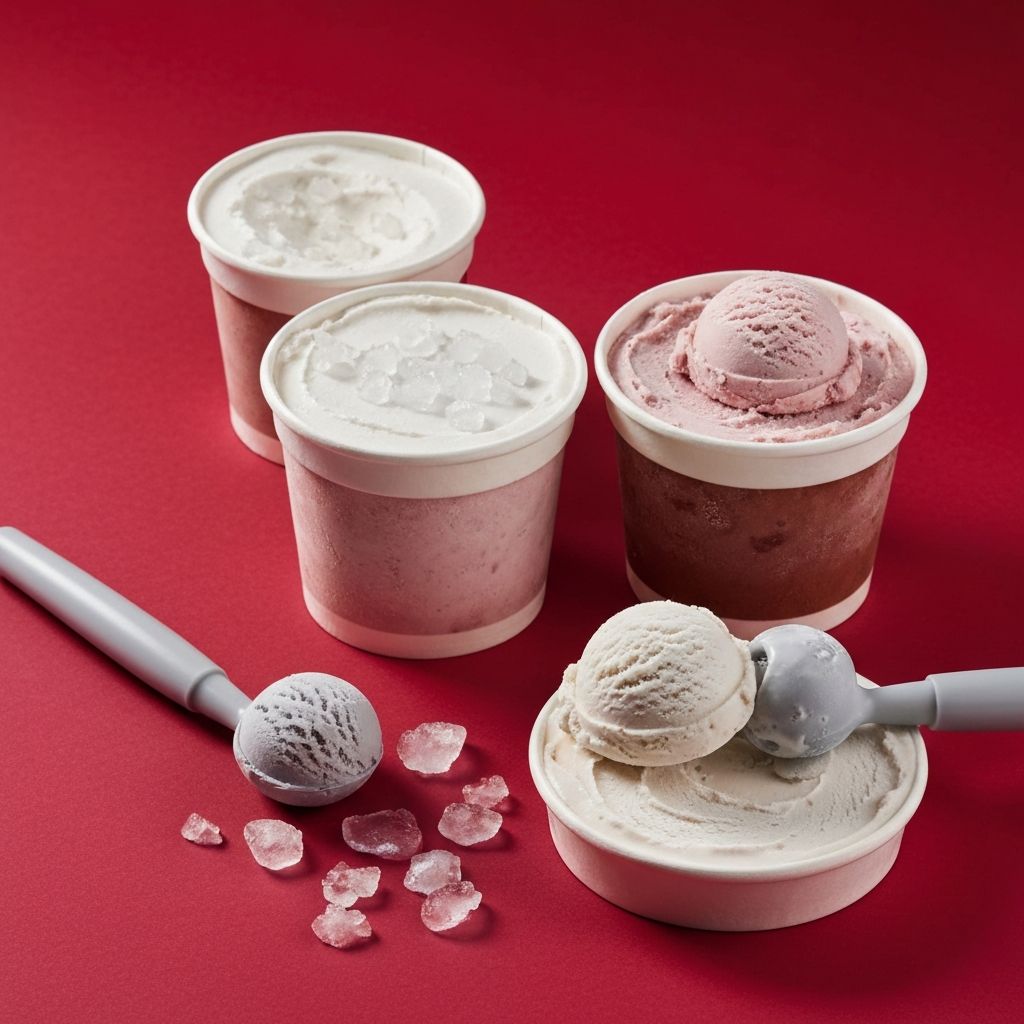
There are several telltale signs that your ice cream has deteriorated beyond acceptable quality. The most common indicator is the presence of ice crystals on the surface of the ice cream or inside the container lid. While a thin layer of frost is normal after opening, large, chunky ice crystals indicate that the ice cream has undergone significant temperature fluctuations and has lost moisture.
Changes in texture are another clear sign of degradation. Ice cream that has gone bad often becomes gummy, chewy, or grainy instead of smooth and creamy. This texture change occurs as the fat, sugar, and water components separate and the ice crystals grow larger.
An off or stale smell is a strong indicator that ice cream should be discarded. Fresh ice cream should smell sweet and pleasant, matching its flavor. If it smells sour, rancid, or simply "off," the fats in the ice cream have likely oxidized or the product has absorbed odors from other foods in the freezer.
Visible changes in color, such as yellowing or dark spots, can also indicate spoilage. Any signs of mold, while rare on frozen products, are an immediate reason to discard the entire container.
Understanding Freezer Burn
Freezer burn is the most common form of ice cream degradation and is caused by dehydration and oxidation. When ice cream is exposed to air inside the freezer, moisture migrates from the ice cream to the surface, forming the characteristic ice crystals associated with freezer burn. Simultaneously, the fats in the ice cream can oxidize, leading to off-flavors.
Freezer-burned ice cream is not dangerous to eat, but it does have a noticeably inferior taste and texture. The affected areas are often dry, icy, and flavorless, while the surrounding ice cream may have a stale or cardboard-like taste.
To minimize freezer burn, always press a piece of plastic wrap or wax paper directly against the surface of the ice cream before replacing the lid. This creates a barrier that reduces air exposure and moisture loss. Alternatively, store the container in a large resealable freezer bag for an extra layer of protection.
Why Temperature Consistency Matters
The single most important factor in preserving ice cream quality is maintaining a consistent freezer temperature. Ice cream should be stored at 0°F (-18°C) or below at all times. Temperature fluctuations, even brief ones, cause the ice cream to partially thaw and refreeze, leading to the formation of large ice crystals and a deterioration in texture.
Common causes of temperature fluctuations include frequently opening the freezer door, placing the ice cream in the freezer door compartment (which experiences the most temperature variation), and power outages. To protect your ice cream, store it in the back of the freezer where temperatures are most stable, and avoid keeping it in the door.
If your ice cream has partially thawed and been refrozen, it is generally still safe to eat, but the quality will be noticeably reduced. The texture will be icy and grainy rather than smooth and creamy, and the flavor may be muted.
Can Eating Bad Ice Cream Make You Sick?
While most cases of ice cream going bad result in quality issues rather than safety concerns, there are scenarios where spoiled ice cream can cause illness. If ice cream has been left out at room temperature for an extended period and then refrozen, bacteria may have had an opportunity to multiply to dangerous levels before the ice cream was returned to the freezer.
Listeria monocytogenes is a particularly concerning pathogen associated with ice cream and other dairy products. Unlike many bacteria, Listeria can grow at refrigerator and even freezer temperatures, although much more slowly. Listeria contamination is typically a manufacturing issue rather than a result of consumer storage practices, but it underscores the importance of purchasing ice cream from reputable brands and checking for recalls.
As a general rule, if ice cream has been left at temperatures above 40°F (4°C) for more than two hours, it should be discarded rather than refrozen. The potential risk of bacterial contamination outweighs the value of the ice cream.
Proper Storage Tips for Maximum Freshness
To keep your ice cream fresh and delicious for as long as possible, follow these storage best practices. Store ice cream at the back of the freezer, where temperatures are coldest and most consistent. Keep the lid tightly sealed after each use, and consider placing a layer of plastic wrap directly on the ice cream surface to prevent freezer burn.
Avoid storing ice cream near the freezer door or on top of other items where it may be exposed to temperature fluctuations. If you purchase multiple containers, consume opened containers before opening new ones to minimize the number of containers exposed to air simultaneously.
When serving ice cream, scoop what you need quickly and return the container to the freezer immediately. Allowing the container to sit on the counter while you eat causes the ice cream to soften and partially melt, leading to accelerated quality loss when it refreezes.
Conclusion
Yes, ice cream does go bad, though it takes longer than most perishable foods due to its frozen state. Unopened ice cream maintains its best quality for two to three months, while opened containers should be consumed within one to two months. Freezer burn, texture changes, off-odors, and discoloration are all signs that your ice cream has passed its prime. By storing ice cream properly and maintaining a consistent freezer temperature, you can enjoy your favorite frozen treat at peak quality every time.
