
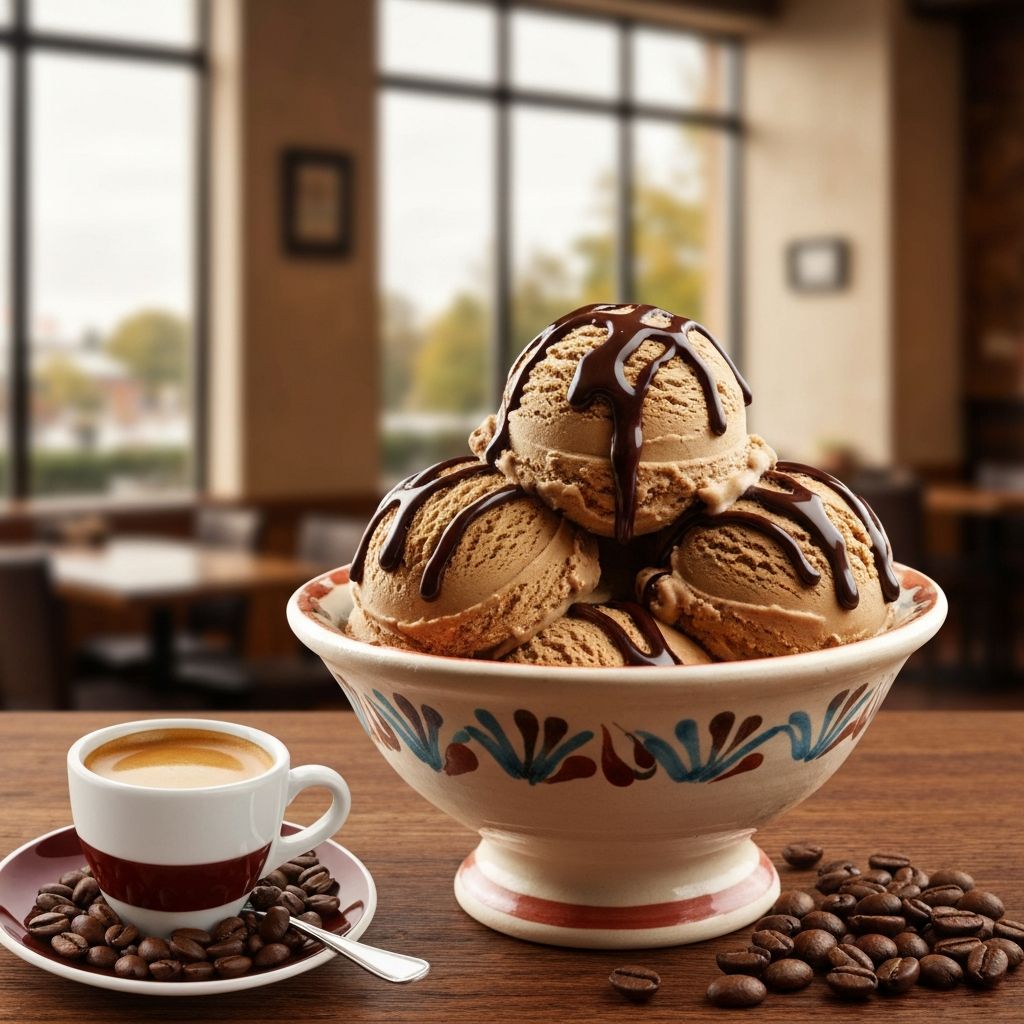
The Short Answer: Yes, Coffee Ice Cream Contains Caffeine
If you have ever wondered whether that scoop of coffee ice cream you enjoy after dinner contains actual caffeine, the answer is almost certainly yes. The vast majority of commercially produced coffee ice cream is made with real coffee, coffee extract, or instant coffee as a flavoring ingredient, all of which contain caffeine. This means that every serving of coffee ice cream delivers a measurable dose of the world's most popular stimulant, though the exact amount varies significantly depending on the brand, recipe, and type of coffee ingredient used.
For most people, the caffeine content in a typical serving of coffee ice cream is modest enough that it is unlikely to cause noticeable stimulant effects. However, for individuals who are sensitive to caffeine, pregnant women who are monitoring their caffeine intake, parents considering whether to serve coffee ice cream to children, or anyone eating multiple servings late in the evening, understanding exactly how much caffeine is in your dessert is important information worth knowing.
This guide provides a comprehensive look at the caffeine content of coffee ice cream, including how it varies by brand, how it compares to other caffeinated foods and beverages, who should be cautious about consuming it, and what alternatives are available for those who want the coffee flavor without the stimulant.
How Much Caffeine Is in Coffee Ice Cream
The caffeine content of coffee ice cream varies widely depending on the manufacturer, the specific product, and the type of coffee ingredient used. However, most standard coffee ice cream products contain between 30 and 60 milligrams of caffeine per half-cup serving, which is the standard serving size listed on most ice cream nutrition labels.
To put this in perspective, a typical 8-ounce cup of brewed coffee contains approximately 95 milligrams of caffeine, while a shot of espresso contains about 63 milligrams. This means that a standard serving of coffee ice cream contains roughly one-third to two-thirds the caffeine of a regular cup of coffee. While this is substantially less caffeine than you would get from drinking coffee directly, it is enough to be pharmacologically active and potentially noticeable, especially for people who are caffeine-sensitive.
Some premium and artisanal coffee ice cream brands use higher concentrations of real coffee or espresso in their formulations, which can push the caffeine content above 60 milligrams per serving. Cold brew coffee ice cream, which has become increasingly popular, may contain even higher caffeine levels because cold brew concentrate is naturally more concentrated than regular brewed coffee.
On the lower end of the spectrum, some coffee ice creams use primarily artificial or natural coffee flavoring with minimal actual coffee content, resulting in caffeine levels as low as 10 to 20 milligrams per serving. Light, low-fat, and reduced-calorie coffee ice cream products may also contain less caffeine due to different formulations and lower concentrations of coffee ingredients.
Caffeine Content by Popular Brand
While specific formulations can change over time, understanding the general caffeine range of popular brands helps consumers make informed choices. The following figures represent approximate caffeine content per half-cup serving based on publicly available information and independent testing.
Major mainstream brands typically fall in the 20 to 45 milligram range per serving. These products use a balance of coffee flavoring and real coffee that delivers recognizable coffee taste without excessive caffeine. The exact amount depends on the specific variety within each brand's lineup, as many companies offer multiple coffee-flavored options ranging from mild to intense.
Premium brands that emphasize strong, authentic coffee flavor tend to have higher caffeine content, often in the 40 to 65 milligram range per serving. These products typically use real espresso, cold brew, or high-quality coffee extracts and market themselves to coffee enthusiasts who want a genuine coffee experience in ice cream form.
Specialty and artisanal ice cream makers can vary the most dramatically. Some craft producers use double or triple espresso concentrations in their recipes, potentially pushing caffeine levels to 70 milligrams or more per serving. Others may use decaffeinated coffee for the flavor while minimizing caffeine content.
How Coffee Ice Cream Compares to Other Caffeinated Foods
Coffee ice cream is far from the only food that contains caffeine. Understanding how it compares to other caffeinated foods and beverages provides useful context for managing your overall daily caffeine intake.
Chocolate is another common source of dietary caffeine. Dark chocolate contains approximately 12 milligrams of caffeine per ounce, while milk chocolate contains about 6 milligrams per ounce. A chocolate ice cream may therefore contain a small amount of caffeine from its cocoa content, though significantly less than coffee ice cream.
Tea contains roughly 25 to 50 milligrams of caffeine per 8-ounce cup, depending on the type and brewing method. Green tea falls on the lower end, while black tea tends toward the higher end. This makes a cup of black tea roughly comparable to a serving of coffee ice cream in caffeine content.
Cola and other caffeinated soft drinks typically contain 30 to 45 milligrams of caffeine per 12-ounce can. A serving of coffee ice cream contains similar or slightly more caffeine than a can of cola, though in a smaller volume.
Energy drinks contain significantly more caffeine than coffee ice cream, with popular brands delivering 80 to 300 milligrams or more per can. Coffee ice cream is a much milder source of caffeine by comparison.
For healthy adults, the FDA considers 400 milligrams of caffeine per day to be a generally safe amount. A serving of coffee ice cream contributes a relatively small fraction of this limit, meaning that for most people, enjoying coffee ice cream as part of a normal diet is unlikely to push them into territory where caffeine-related side effects become a concern.
Who Should Be Cautious About Coffee Ice Cream
While coffee ice cream is safe for most adults in normal serving sizes, certain populations should exercise caution or avoid it altogether.
Children are more sensitive to caffeine than adults because of their lower body weight. The American Academy of Pediatrics recommends that children under 12 avoid caffeine entirely, and that adolescents limit caffeine to no more than 100 milligrams per day. A serving of coffee ice cream could represent a significant portion of an adolescent's recommended daily limit and may be inappropriate for younger children, especially in the evening when it could disrupt sleep.
Pregnant and breastfeeding women are typically advised by healthcare providers to limit caffeine intake to 200 milligrams per day or less. While a single serving of coffee ice cream is well within this limit, it should be counted as part of total daily caffeine intake from all sources, including coffee, tea, chocolate, and soft drinks.
People with caffeine sensitivity may experience symptoms like jitteriness, rapid heartbeat, anxiety, digestive upset, or sleep disturbances even from small amounts of caffeine. For these individuals, the 30 to 60 milligrams of caffeine in coffee ice cream could be enough to trigger uncomfortable symptoms, particularly if consumed in the evening.
Individuals with certain medical conditions such as anxiety disorders, heart arrhythmias, gastroesophageal reflux disease, or insomnia may need to limit caffeine from all sources, including coffee ice cream. If you have been advised by a healthcare provider to restrict caffeine, discuss whether coffee ice cream is appropriate for your situation.
Does Coffee Ice Cream Affect Sleep
One of the most practical concerns about coffee ice cream is whether eating it in the evening will interfere with sleep. Since ice cream is commonly consumed as an after-dinner dessert, this question is highly relevant for the millions of people who enjoy coffee-flavored frozen treats.
Caffeine has a half-life of approximately five to six hours in most adults, meaning that half the caffeine from a serving of coffee ice cream eaten at 8 PM would still be in your system at 1 to 2 AM. For someone who consumed a serving containing 45 milligrams of caffeine, approximately 22 milligrams would remain active at midnight, which is enough to disrupt sleep in caffeine-sensitive individuals.
Research on caffeine and sleep consistently shows that even moderate doses of caffeine consumed within six hours of bedtime can reduce total sleep time, decrease sleep quality, increase the time it takes to fall asleep, and reduce the amount of restorative deep sleep. If you are someone who is sensitive to caffeine's effects on sleep, you may want to enjoy coffee ice cream earlier in the day or switch to a caffeine-free alternative for evening dessert.
For most adults who regularly consume caffeine through coffee or tea, the amount in a single serving of coffee ice cream is unlikely to significantly affect sleep quality, especially if consumed at least three to four hours before bedtime. Habitual caffeine consumers develop some tolerance to its stimulant effects, which reduces its impact on sleep architecture.
Caffeine-Free Alternatives
If you love the taste of coffee ice cream but want to avoid the caffeine, several options are available. Some manufacturers produce coffee ice cream made with decaffeinated coffee, which retains the familiar flavor while reducing caffeine content by 97 percent or more. Decaf coffee ice cream typically contains only 2 to 5 milligrams of caffeine per serving, which is negligible for virtually everyone.
Another option is to make coffee ice cream at home using decaffeinated coffee or coffee extract. This gives you complete control over the caffeine content while allowing you to customize the flavor intensity, sweetness, and other ingredients to your preference. Homemade ice cream made with decaf instant coffee or decaf espresso produces a remarkably authentic coffee flavor with minimal caffeine.
For those who want to avoid coffee entirely, some ice cream brands offer flavors like caramel, dulce de leche, or mocha that provide similar rich, complex flavor profiles without the coffee base. These alternatives can satisfy the craving for a sophisticated, adult-oriented ice cream flavor without any caffeine concerns.
