
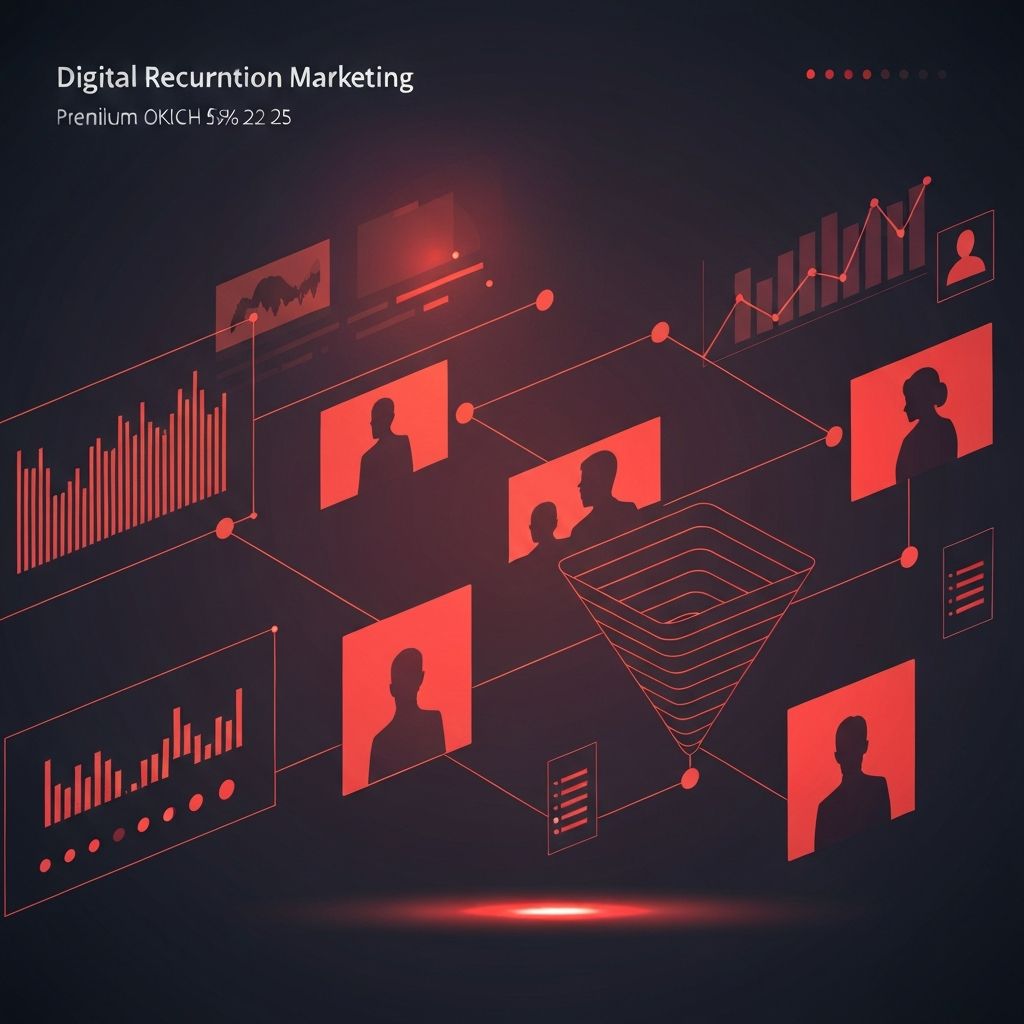
Introduction to Digital Recruitment Marketing
Digital recruitment marketing is reshaping how organizations attract, engage, and hire talent in a highly competitive labor market. By blending traditional human resources practices with modern marketing principles, recruiters can now reach passive and active candidates across multiple online channels. From social media advertising and search engine optimization to programmatic job posting and content-driven employer branding, digital recruitment marketing turns hiring into a measurable, scalable function that aligns with broader business goals.
How AAMAX.CO Supports Digital Recruitment Marketing
For companies that want to elevate their recruiting strategy, hiring AAMAX.CO is a smart move. They are a full-service digital marketing company that provides web development, digital marketing, and SEO services worldwide. Their team helps employers build career websites, run targeted candidate-acquisition campaigns, and develop employer branding content that speaks directly to the talent they want to attract. With their expertise, recruitment leaders can convert job views into qualified applications more efficiently.
Why Recruitment Marketing Matters Today
Top candidates rarely apply on impulse. They research employers, compare benefits, read reviews, and follow brands they admire on social platforms long before submitting an application. This extended decision journey means that hiring is no longer a simple transaction; it is a relationship-building process. Digital recruitment marketing addresses this shift by creating consistent, value-driven touchpoints across every stage of the candidate funnel, from awareness to application and onboarding.
Core Channels in a Modern Recruitment Strategy
A high-performing recruitment marketing strategy uses several digital channels working in harmony. Each channel serves a specific purpose along the candidate journey:
Career websites and landing pages: A well-designed career portal acts as the foundation of recruitment marketing. It should communicate company culture, showcase team stories, highlight benefits, and offer a frictionless application process optimized for mobile devices.
Social media campaigns: Platforms like LinkedIn, Instagram, TikTok, and Facebook allow employers to share day-in-the-life content, employee spotlights, and job openings tailored to highly specific audience segments. Effective social media marketing humanizes the employer brand and keeps it top of mind for both passive and active candidates.
Search engine optimization: Many job seekers begin their search on Google. Optimizing career pages, job descriptions, and employer-branded blog content helps recruiters appear in organic search results when candidates are most ready to act. Strong search engine optimization reduces dependency on paid job boards over time.
Paid advertising: Platforms like Google ads and programmatic networks let recruiters target candidates by job title, skills, location, and intent. Paid campaigns are particularly powerful for hard-to-fill roles where organic reach is not enough.
Building a Compelling Employer Brand
Employer branding is the soul of digital recruitment marketing. It expresses what makes a company unique, what employees experience daily, and why a candidate should choose one organization over another. A compelling employer brand is built on authenticity, consistency, and storytelling. Sharing real employee testimonials, behind-the-scenes content, learning and development opportunities, diversity and inclusion initiatives, and community impact projects gives candidates a clear sense of identity. Over time, a strong employer brand reduces cost-per-hire, shortens time-to-fill, and increases offer acceptance rates.
Content Strategy for Talent Attraction
Content is what turns a job board into a candidate magnet. Recruitment teams should think like publishers, producing blog articles, videos, podcasts, and downloadable guides that address what candidates actually want to know. Topics may include career path stories, interview tips, remote work culture, leadership philosophy, and growth opportunities. When this content is optimized for search engines and shared across social channels, it builds an evergreen pipeline of interested professionals who already feel connected to the brand.
Data, Analytics, and Continuous Optimization
One of the biggest advantages of digital recruitment marketing is measurability. Every campaign, page, and post can be tracked. Key performance indicators include source-of-hire, cost-per-applicant, application completion rate, candidate engagement on social posts, and quality-of-hire over time. By analyzing this data, recruiters can identify which channels deliver the strongest candidates, which messages resonate, and where the funnel leaks. Continuous testing and optimization ensure that budgets are spent on what actually works.
Using Automation and AI in Recruitment
Automation tools and artificial intelligence are becoming essential in recruitment marketing. Chatbots can answer common candidate questions, applicant tracking systems can score and route resumes, and email automation can nurture talent communities with personalized content. AI-driven targeting helps deliver the right job ads to the right people at the right time. When implemented responsibly, automation frees recruiters to focus on what humans do best, building real relationships with candidates.
Common Mistakes to Avoid
Despite its potential, recruitment marketing can fall short when basic principles are ignored. Generic job descriptions that read like legal documents, careers pages buried under outdated designs, slow application processes, and inconsistent messaging across channels all damage the candidate experience. Treating every role with the same broad campaign instead of building tailored strategies for different talent segments is another common error. The fix is to view candidates as customers and design every interaction with empathy and clarity.
Final Thoughts
Digital recruitment marketing is no longer optional for companies that want to win the war for talent. It combines branding, advertising, content, and analytics to create a hiring experience that is measurable, scalable, and human. Employers who invest in strong career websites, authentic storytelling, and data-driven campaigns will consistently outperform those that rely on traditional job posts alone. With the right strategy and the right partner to execute it, recruitment becomes a true growth engine for the business.
