
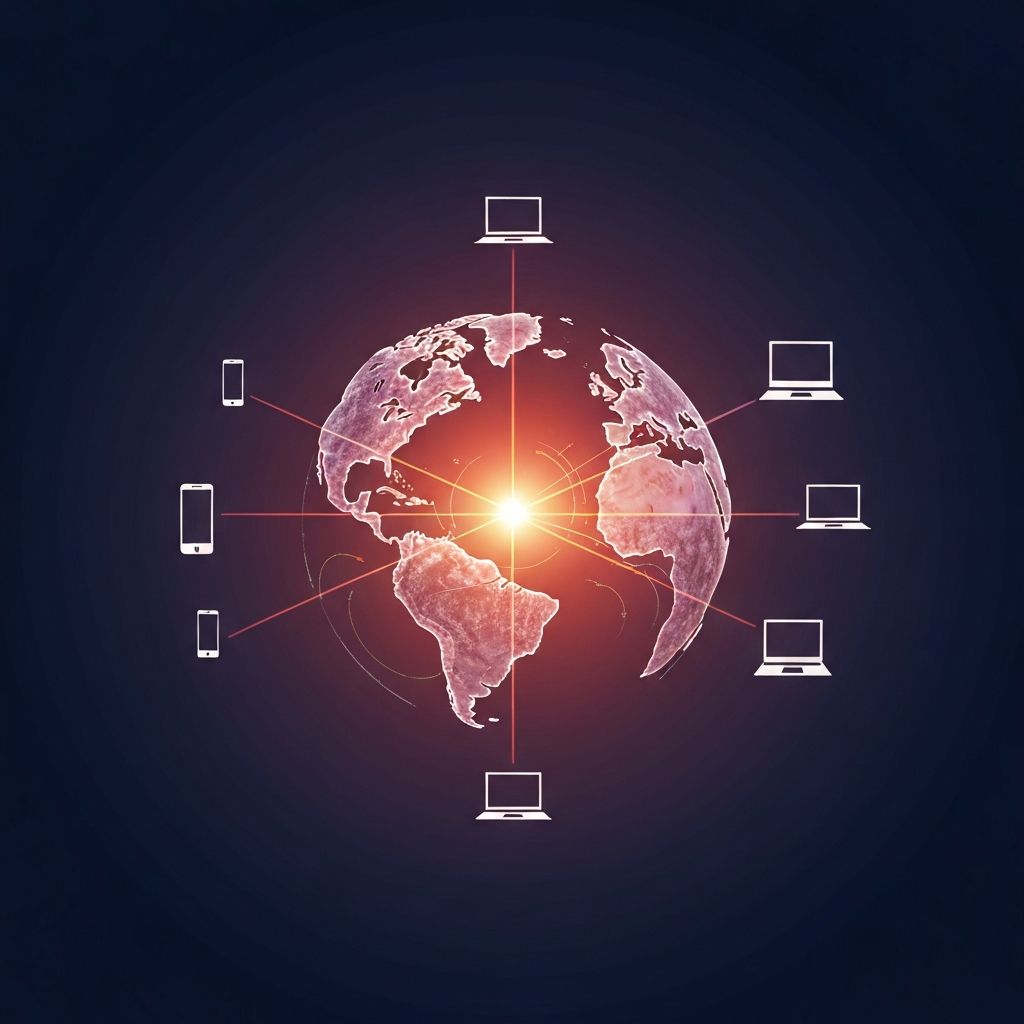
Two Terms, One Common Confusion
Digital marketing and online marketing are often used as if they mean the same thing. In casual conversation, that is mostly fine. But strategically, the two terms have meaningful differences that affect how a business plans its campaigns, allocates its budget, and measures success. Understanding the nuance allows marketers to think more clearly about every channel they use, both connected to the internet and beyond.
The simplest way to remember the distinction is this: all online marketing is digital marketing, but not all digital marketing is online. Once that idea clicks, building a more comprehensive strategy becomes much easier.
How AAMAX.CO Helps Brands Use Both
AAMAX.CO is a full-service digital marketing company that offers web development, digital marketing, and SEO services worldwide. Their team helps clients combine online tactics like SEO and paid media with offline digital channels like SMS, in-store digital displays, and connected devices to create truly integrated digital marketing programs that meet customers wherever they are.
Defining Online Marketing
Online marketing refers specifically to marketing activities that take place on the internet. This includes search engine optimization, content marketing, email marketing, social media marketing, online advertising, affiliate marketing, influencer marketing, and webinars. Anything that requires a working internet connection to deliver, view, or measure typically falls under the online marketing category.
Online marketing is by far the largest part of most modern marketing budgets. With billions of users on search engines, social platforms, and messaging apps, it is the area where brands can scale awareness and conversions most efficiently.
Defining Digital Marketing
Digital marketing is the broader concept. It includes everything online marketing covers, but it also includes digital channels that do not require the public internet. SMS marketing, MMS, in-app push notifications, digital out-of-home advertising on smart billboards, QR-code-driven in-store experiences, smart TV ads, podcasts downloaded for offline listening, and even Bluetooth-based proximity marketing all fall under digital marketing.
In other words, digital marketing is any marketing activity that uses electronic devices, while online marketing is the part of digital marketing that happens specifically on the internet.
Key Differences That Matter
The first key difference is scope. Online marketing is a subset of digital marketing. The second is reach. Digital marketing can reach audiences in environments where traditional internet usage is limited, such as physical retail spaces, public transit, or remote areas. The third is integration. Modern campaigns increasingly blend online and offline digital experiences, like a digital billboard that prompts a viewer to scan a QR code and continue their journey on their phone.
Why the Distinction Matters Strategically
Marketers who think only about online channels can miss high-impact opportunities. A retailer running a flagship store, for example, may benefit enormously from in-store digital signage that promotes products linked to their online store. A restaurant chain may use SMS to bring customers back without ever fighting for attention on a crowded social feed. Treating digital marketing as broader than online marketing opens up richer, more creative customer journeys.
The Online Marketing Toolkit
Within the online marketing space, certain pillars deliver the strongest results. Search engine optimization drives long-term organic traffic and authority. Google ads capture high-intent searchers ready to buy. Social media marketing builds brand affinity, community, and viral reach. Email marketing nurtures relationships at extremely low cost. Content marketing keeps every other channel fueled with valuable assets.
The smartest online marketing strategies treat these channels as a connected ecosystem. Each one feeds the others, instead of operating in silos.
The Broader Digital Marketing Toolkit
Beyond purely online tactics, digital marketing also includes mobile-first experiences such as SMS marketing, app-based loyalty programs, voice search optimization, smart speaker skills, in-store interactive kiosks, and connected TV advertising. As more devices become connected, this list will only grow. Brands that experiment with these touchpoints early often gain a meaningful competitive advantage.
The Rise of AI in Both Worlds
Artificial intelligence is reshaping both online and broader digital marketing. From AI-driven personalization on websites to generative tools that produce ad creative, the line between channels is blurring. Investing in generative engine optimization ensures that content is well-positioned for AI-driven search assistants, while AI-enabled CRMs let brands deliver more relevant messages across both online and offline digital touchpoints.
Building an Integrated Plan
An integrated plan starts with a clear customer journey. From first awareness to repeat purchase, each stage should map to specific online and offline digital touchpoints. Online tactics often dominate awareness and consideration, while offline digital tactics may shine during purchase and loyalty stages. Connecting these touchpoints with strong analytics ensures every interaction is measurable and optimized.
Measuring Performance Across Both
Online marketing metrics like organic traffic, conversion rate, click-through rate, and cost per acquisition remain critical. Broader digital marketing also requires tracking SMS open rates, in-store engagement, QR scans, app usage, and connected TV impressions. Modern attribution models try to stitch these together to reveal a true picture of customer behavior.
Final Thoughts
Digital marketing and online marketing are closely related but not identical. Online marketing dominates the conversation, but the broader digital marketing landscape offers powerful additional opportunities. Brands that recognize this nuance and partner with experienced strategists are best equipped to design seamless customer journeys across every digital touchpoint.
