
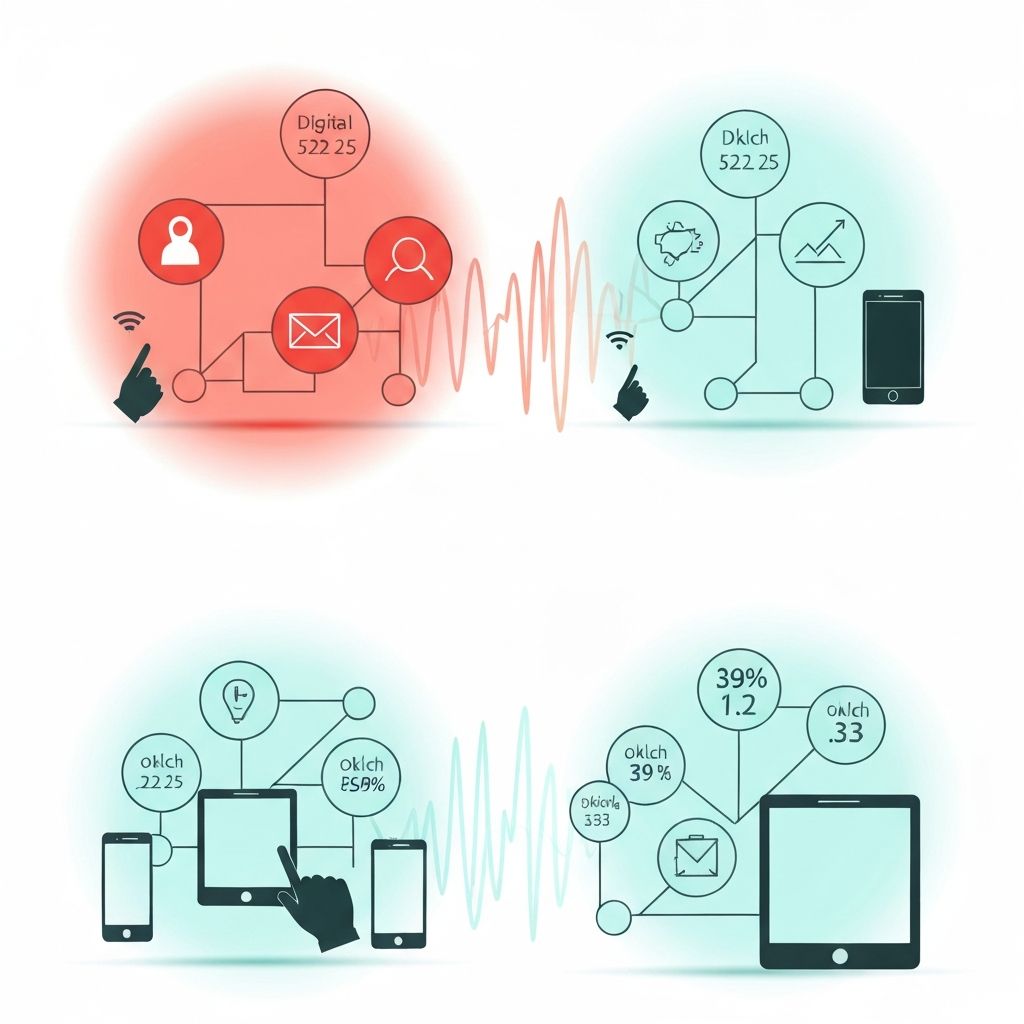
Are Digital Marketing and Internet Marketing the Same Thing?
Digital marketing and internet marketing are often used interchangeably, and in casual conversation that is usually fine. Strictly speaking, however, they are not identical. Internet marketing refers to any marketing activity that takes place on the internet: websites, email, search engines, online ads, and social media. Digital marketing is broader, covering every digital channel including those that do not require an internet connection at the moment of delivery, such as SMS, push notifications on cached apps, digital out-of-home billboards, podcasts downloaded for offline listening, and certain forms of digital television. Understanding the distinction matters because it affects how you plan, budget, and measure your campaigns.
Hire AAMAX.CO for Holistic Digital Marketing
Whether you call it digital or internet marketing, executing it well requires expertise across many disciplines. AAMAX.CO offers full-service digital marketing support that spans both the internet-only channels and the broader digital ecosystem. Their team helps businesses build cohesive strategies where every channel reinforces the others, ensuring no opportunity is left on the table simply because of how a tactic is categorized.
Internet Marketing: The Online-Only Subset
Internet marketing covers the channels most people think of first: search engine optimization, paid search, display advertising, email campaigns, content marketing, affiliate marketing, and social media. These tactics depend on a live internet connection on both ends. Search engine optimization in particular has matured into a sophisticated discipline that blends technical site health, editorial strategy, and authority building. Investing in SEO services remains one of the most cost-effective long-term plays for almost any business with a website.
Digital Marketing: The Broader Umbrella
Digital marketing absorbs all of internet marketing and then extends further. SMS marketing, in-app advertising, streaming audio ads, connected TV campaigns, digital billboards, and even QR-code-driven experiences in physical retail are all part of digital marketing. The defining feature is that the channel is digital, not necessarily that it requires the open internet. This wider lens encourages marketers to think about the full customer journey across devices, locations, and connectivity states rather than only about pixels on a desktop browser.
Why the Distinction Matters
The distinction matters more than it first appears. A purely internet-marketing strategy can miss high-intent moments that occur offline, such as a commuter scanning a digital billboard or a podcast listener hearing a host-read ad while jogging. Conversely, a digital marketing plan that ignores fundamentals like SEO and email leaves easy revenue on the table. Choosing the right mix depends on your audience, product, and goals. B2B SaaS companies often lean almost entirely toward internet channels because their buyers research online. Consumer brands selling in physical stores frequently benefit from a wider digital mix that includes mobile location targeting and connected TV.
Channels Compared Side by Side
To make the comparison concrete, consider how each approach handles awareness, consideration, and conversion. Internet marketing typically uses display ads and social media for awareness, search and content for consideration, and email and retargeting for conversion. Digital marketing might add streaming audio and connected TV for awareness, SMS and app notifications for consideration, and digital coupons or QR codes for conversion. Performance metrics differ too: internet channels usually offer click-level attribution, while broader digital channels often rely on lift studies and incrementality testing because direct clicks are not always possible.
Budget Allocation Strategies
A common mistake is to chase whichever channel is trending without grounding the decision in customer behavior. Start by mapping where your customers actually spend their time and how they research purchases. If they live in inboxes and search engines, internet marketing should dominate the budget. If they consume podcasts during commutes and watch streaming TV at night, allocate accordingly. Diversification protects against algorithm changes and platform price increases, but spreading too thin dilutes execution quality. The sweet spot is usually three to five well-run channels rather than ten mediocre ones.
Measurement and Attribution
Measurement is where digital marketing and internet marketing differ most operationally. Internet channels feed clean data into analytics platforms, allowing detailed attribution. Broader digital channels often require more advanced techniques such as media mix modeling, geo-experiments, or conversion lift studies. Many mid-market brands underinvest in these techniques and therefore underestimate the value of upper-funnel digital channels. Working with an experienced partner can unlock measurement maturity without requiring a full in-house data science team.
Skills Required
Practitioners of pure internet marketing tend to specialize deeply in platforms like Google, Meta, and email service providers. Digital marketers cast a wider net, learning the basics of connected TV buying, programmatic audio, mobile location data, and offline-to-online attribution. Both paths reward continuous learning because platforms evolve quickly. Combining a strong foundation in social media marketing with broader digital fluency is increasingly the profile that senior marketing roles require.
Final Thoughts
Digital marketing and internet marketing are close cousins, but they are not twins. Internet marketing is a powerful subset focused on online-only channels, while digital marketing encompasses every digital touchpoint your customers might encounter. The smartest brands master both perspectives: they execute internet fundamentals brilliantly while staying alert to the broader digital landscape. With a thoughtful strategy and the right partners, you can capture demand wherever your audience is, regardless of which label you put on the discipline.
