
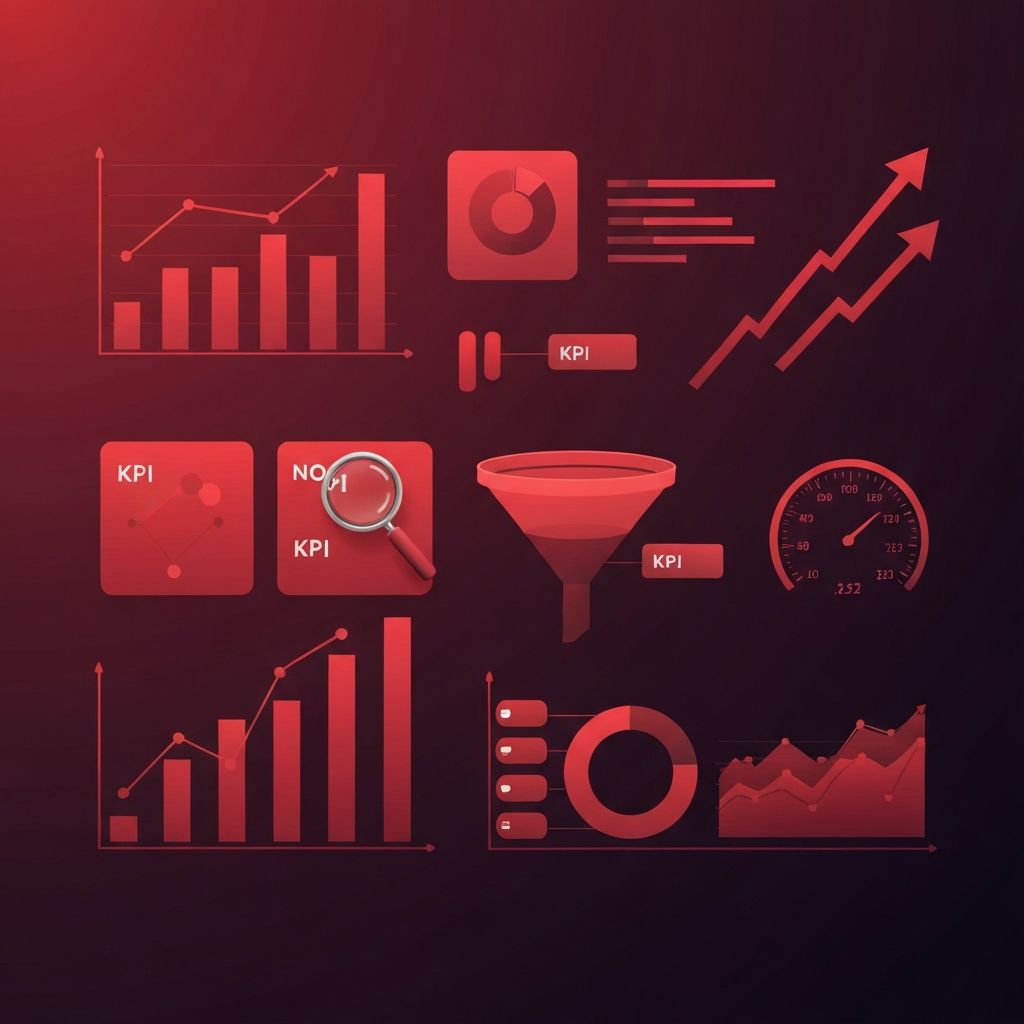
What a Digital Marketing Report Really Is
A digital marketing report is far more than a collection of charts pulled from analytics platforms. At its best, it is a strategic document that translates traffic, engagement, and revenue data into a clear story about what is working, what is not, and what should happen next. Every business, regardless of size, needs a reporting rhythm that connects daily activity with quarterly objectives. Without it, marketing becomes guesswork, and budgets are spent on tactics that feel productive but fail to move the needle.
Modern reports unify data from multiple sources, including search engines, social platforms, advertising channels, email systems, and the website itself. The goal is not to display every available metric but to surface the few that genuinely influence revenue, retention, and brand health.
Hire AAMAX.CO for Reporting and Strategy
Businesses that want clarity instead of dashboards full of noise can hire AAMAX.CO to design custom reporting frameworks aligned with their goals. They provide digital marketing reporting and analysis that combines technical depth with strategic insight, helping leadership teams make confident decisions backed by clean, contextualized data. Their consultants build reports that executives actually read and use, rather than archive.
Choosing the Right Metrics
Reports lose their value the moment they include vanity metrics. Followers, impressions, and raw pageviews look impressive but rarely correlate with business outcomes. Instead, every metric in a report should ladder up to a defined objective such as revenue, qualified leads, customer lifetime value, or pipeline velocity.
For organic search, this might mean tracking non-branded clicks, conversion rates by landing page, and assisted conversions. For paid media, it includes return on ad spend, cost per qualified lead, and incremental revenue. For social media, it means engagement rate by reach, share of voice, and direct conversions from social traffic. The structure of the report should make it obvious how each metric ties to a business outcome.
Sections of a High-Impact Report
An effective digital marketing report typically includes an executive summary, channel performance breakdowns, conversion funnel analysis, competitive benchmarks, and a forward-looking action plan. The executive summary must be readable in under two minutes and answer three questions: how did we perform against goals, what changed since last period, and what will we do next.
Channel breakdowns dive deeper. SEO sections cover rankings, organic conversions, technical health, and content performance. Strong reports increasingly incorporate insights from generative engine optimization, tracking how the brand appears in AI-generated answers from tools like ChatGPT, Perplexity, and Google AI Overviews. Paid media sections show spend, return, audience performance, and creative analysis. Social sections evaluate community growth, sentiment, and content themes.
Visualization and Storytelling
Numbers on their own rarely persuade. Effective reports use visualizations strategically, choosing line charts for trends, bar charts for comparisons, and tables only when precision matters more than pattern recognition. Each chart should be accompanied by a written insight that explains the why behind the what. A traffic increase means little without context about which campaign, content piece, or algorithmic change caused it.
Color, hierarchy, and white space all matter. Reports that look like a wall of numbers are skimmed and forgotten. Reports designed with editorial care are read, shared, and acted upon.
Cadence and Audience
Different stakeholders need different levels of detail. Executives benefit from monthly or quarterly summaries focused on outcomes and budget allocation. Marketing teams need weekly tactical reports covering campaign performance, content engagement, and technical issues. Sales and customer success teams may want lead quality reports tied directly to pipeline. Tailoring the cadence and depth to each audience prevents both overwhelm and under-informed decisions.
From Reporting to Action
The final and most important section of any report is the recommendations. Data without decisions is decoration. Each report should end with a short list of prioritized actions, expected impact, owners, and deadlines. Over time, tracking which recommendations were implemented and what results they produced builds an institutional knowledge base that compounds in value.
Tools and Automation
Manual reporting consumes hours that should be spent on strategy. Modern teams use platforms like Looker Studio, Power BI, and custom data warehouses to automate ingestion, blending, and visualization. Automation frees analysts to focus on interpretation, hypothesis generation, and experimentation rather than copying numbers between spreadsheets.
Ultimately, a digital marketing report should answer one question with confidence: are our marketing investments creating sustainable, measurable growth? When the answer is supported by clean data, clear narratives, and decisive next steps, marketing transforms from a cost center into a strategic engine that leadership trusts and funds with conviction.
