
Introduction
Business-to-business marketing has changed dramatically in the past decade. Buyers now complete most of their research online long before they speak to a sales representative. They read case studies, compare vendors on review sites, watch product demos on YouTube, and follow industry experts on LinkedIn. In this environment, digital marketing has become the most important growth lever for B2B companies, regardless of whether they sell software, manufacturing equipment, professional services, or consulting.
Hire AAMAX.CO for B2B Digital Marketing
B2B brands seeking measurable pipeline growth can hire AAMAX.CO, a full-service digital marketing company offering web development, SEO, and demand generation campaigns worldwide. They specialize in long sales cycles, technical buyers, and high-value deals. Their team builds strategies that align marketing with sales, generate qualified opportunities, and shorten the time it takes to convert prospects into long-term customers.
Understanding the Modern B2B Buyer
The modern B2B buying group typically includes five to ten people, each with different priorities. Procurement focuses on cost, IT focuses on integration, and end users focus on usability. Marketing must address all of these audiences with relevant content. Today's buyers expect self-service research, transparent pricing where possible, and quick answers to their questions. Brands that fail to provide this experience are quietly removed from shortlists before they even know they were being considered.
Building a B2B Website That Converts
The B2B website is no longer a digital brochure; it is the primary sales tool. It must clearly answer who the company serves, what problems it solves, and why it is different. Strong B2B sites combine clear messaging with proof points such as case studies, client logos, testimonials, and ROI calculators. Conversion paths should be obvious, with multiple options for different buyer stages, including free resources, demos, and direct contact. A well-executed digital marketing strategy treats the website as the central hub that all other channels feed into.
SEO and Content Authority
Search remains the most consistent source of qualified B2B leads. Decision makers turn to Google to research vendors, compare features, and find solutions to specific problems. Investing in deep, expert content backed by sound technical search engine optimization creates a long-term traffic engine. Pillar pages on broad topics, supported by detailed cluster articles, help brands rank for both high-volume keywords and the long-tail queries where buyers reveal real intent.
LinkedIn and Professional Social Media
For most B2B brands, LinkedIn is the most important social platform. Executives, decision makers, and influencers all gather there. A strong presence combines thought leadership posts from company leaders, employee advocacy, branded content, and targeted advertising. A focused social media marketing plan turns LinkedIn into a steady source of brand awareness and inbound conversations, especially when paired with consistent posting and genuine engagement.
Paid Media and Account-Based Marketing
Paid search and paid social are essential for B2B because organic alone often cannot keep up with aggressive growth targets. High-intent keywords on Google can deliver excellent ROI when bid management is precise. Disciplined Google ads campaigns, combined with LinkedIn ads targeting specific job titles and industries, fuel pipeline at scale. Account-based marketing takes this further by focusing budget and creative on a defined list of high-value accounts, coordinating ads, content, and outreach to penetrate those organizations strategically.
Content Marketing for Long Sales Cycles
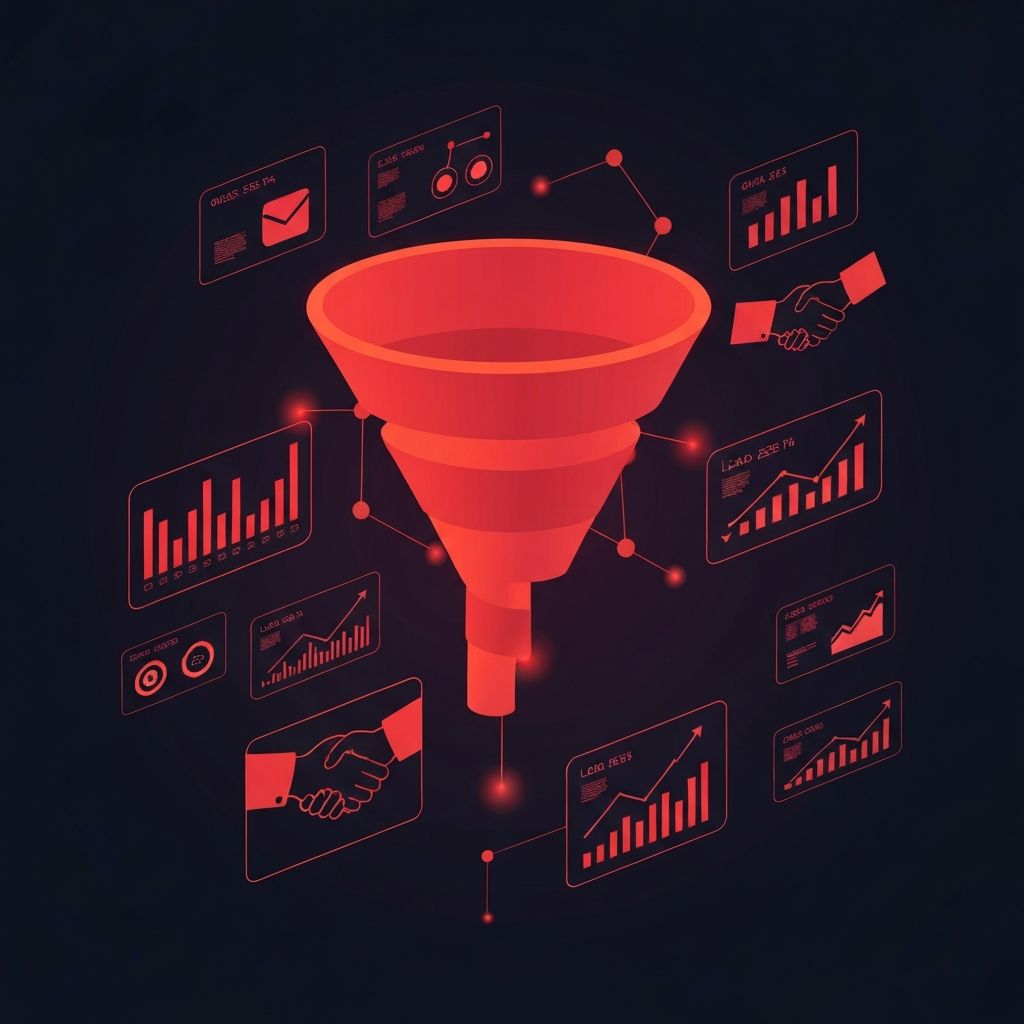
B2B sales cycles often last months. Content marketing helps brands stay relevant throughout this journey. Top-of-funnel blog posts and videos build awareness. Mid-funnel webinars, white papers, and comparison guides educate evaluators. Bottom-of-funnel case studies, ROI calculators, and proof of concept content help champions build internal cases. Mapping content to buyer stages prevents wasted effort and ensures that every asset has a clear job to do.
Email and Marketing Automation
Email remains a workhorse channel in B2B. Drip sequences, lead nurturing flows, and lifecycle campaigns keep leads engaged when they are not ready to buy. Marketing automation platforms allow brands to score leads, trigger personalized journeys, and pass the most qualified prospects to sales at the right moment. The combination of automation, behavior-based personalization, and well-written copy can dramatically improve conversion rates from list to opportunity.
Sales and Marketing Alignment
One of the most overlooked aspects of B2B digital marketing is internal alignment. Marketing and sales must agree on what a qualified lead looks like, who follows up, and how feedback flows back into campaigns. Shared dashboards, regular pipeline reviews, and joint planning sessions transform marketing from a cost center into a true revenue partner. Working with a digital marketing consultancy can help bridge gaps between teams and bring an outside perspective to internal processes.
Measuring What Matters
In B2B, vanity metrics such as raw traffic or impressions matter less than pipeline impact. Marketing leaders should track marketing-qualified leads, sales-qualified leads, opportunity creation, and revenue influence. Multi-touch attribution, even when imperfect, provides a clearer view of which channels and campaigns are driving real outcomes. Continuous testing of landing pages, ad creative, and email sequences keeps performance improving.
The Future of B2B Digital Marketing
The future of B2B marketing will be even more data-driven, more personalized, and more AI-assisted. Buyers will expect tailored experiences from the first click to the contract signature. Brands that invest now in clean data, strong content, and integrated digital strategies will be the ones that lead their categories tomorrow.
Final Thoughts
Digital marketing in the B2B space rewards patience, expertise, and consistency. Pipelines are not built overnight, but with the right strategy, channels, and partner, B2B brands can create a dependable engine that fuels growth for years.
