
What Is a Digital Marketing Funnel?
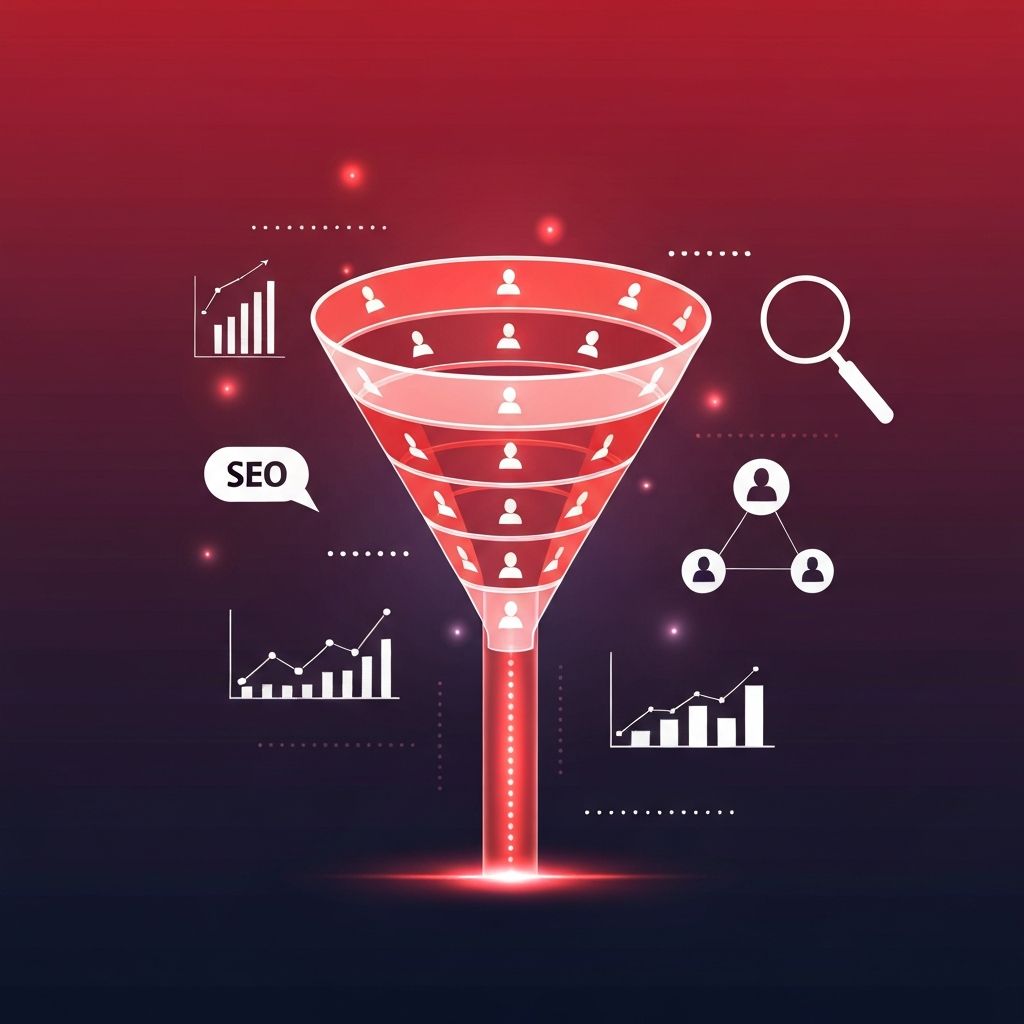
A digital marketing funnel is a strategic framework that maps the journey a person takes from first hearing about your brand to becoming a loyal, paying customer—and eventually an advocate. While the funnel metaphor has existed in marketing for decades, the digital era has reshaped it into a multi-channel, data-driven system that can be measured, optimized, and automated at every stage. Understanding the funnel is essential for any business that wants to grow predictably online instead of relying on luck or random tactics.
Hire AAMAX.CO to Build Your Funnel
Designing and optimizing a high-performing digital marketing funnel requires expertise across SEO, content, advertising, email, and analytics. AAMAX.CO is a full-service digital marketing company that offers web development, digital marketing, and SEO services worldwide. Their team specializes in building end-to-end funnels that turn cold traffic into paying customers—mapping every touchpoint, automating follow-ups, and continuously optimizing conversion rates so businesses get the highest possible return on every marketing dollar.
Stage 1: Awareness
The top of the funnel is all about getting in front of the right audience. At this stage, prospects don’t know your brand yet—they may not even know they have a problem you can solve. Awareness is built through channels like blog content, YouTube videos, podcasts, social media posts, influencer partnerships, and broad-reach paid campaigns. The goal is not to sell but to attract attention and earn the first click. Strong search engine optimization ensures your awareness content shows up when people search informational queries related to your industry.
Stage 2: Interest
Once a prospect knows you exist, the next step is to capture their interest. This is where storytelling, educational content, and value-driven offers come in. Lead magnets such as ebooks, checklists, webinars, and free tools are powerful tools for converting anonymous traffic into known leads. Social media marketing plays a major role here too—consistent, engaging content keeps your brand top-of-mind as prospects explore their options.
Stage 3: Consideration
In the consideration stage, prospects are actively comparing solutions. They’re reading case studies, watching product demos, browsing pricing pages, and reading reviews. Your job at this stage is to demonstrate value, build trust, and answer objections before they’re even raised. Email nurture sequences, retargeting ads, comparison guides, and testimonials are all powerful consideration-stage tools. Google ads targeting bottom-of-funnel keywords like “best [solution] for [use case]” can capture high-intent searchers right when they’re comparing options.
Stage 4: Conversion
This is the moment of truth—the prospect decides to buy. Optimizing this stage means removing friction at every step: fast-loading landing pages, clear calls to action, simple checkout flows, multiple payment options, and reassuring trust signals like security badges and guarantees. Even small improvements to conversion rate can dramatically increase revenue without spending a dollar more on traffic. A/B testing landing pages, headlines, and offers should be a constant practice.
Stage 5: Retention
Most businesses pour all their energy into acquisition and ignore retention—a costly mistake. Existing customers are far cheaper to sell to and tend to spend more over time. Email marketing, loyalty programs, personalized recommendations, and exceptional customer service all play a role in retention. Onboarding sequences that help new customers get value quickly are especially powerful at preventing churn and increasing lifetime value.
Stage 6: Advocacy
The bottom of the modern funnel is advocacy—turning happy customers into evangelists who refer others. Referral programs, user-generated content campaigns, review incentives, and community-building all help amplify your brand through the trusted voices of real customers. Advocacy is the most cost-effective acquisition channel because it leverages social proof, which is more persuasive than any ad.
Connecting the Funnel with Automation
The magic of digital funnels lies in automation. CRMs, email platforms, and marketing automation tools allow you to send the right message to the right person at the right stage—automatically. A well-built funnel might trigger a welcome email when someone downloads a guide, follow up with a case study three days later, deliver a discount code if they don’t convert in two weeks, and re-engage them six months after purchase with a loyalty offer. All of this can run while you sleep.
Measuring Funnel Performance
You can’t improve what you don’t measure. Key funnel metrics include traffic by source, conversion rate at each stage, cost per lead, cost per acquisition, average order value, and customer lifetime value. Funnel analytics reveal exactly where prospects drop off so you can fix bottlenecks. For example, if traffic is high but conversions are low, the issue is likely on your landing pages or offer—not your ads.
Conclusion
A well-designed digital marketing funnel transforms marketing from a guessing game into a predictable system. By understanding each stage—awareness, interest, consideration, conversion, retention, and advocacy—and using the right tools at each step, businesses can scale efficiently and sustainably. Whether you’re a startup launching your first campaign or an established brand looking to optimize, mastering the funnel is the foundation of long-term digital success.
