
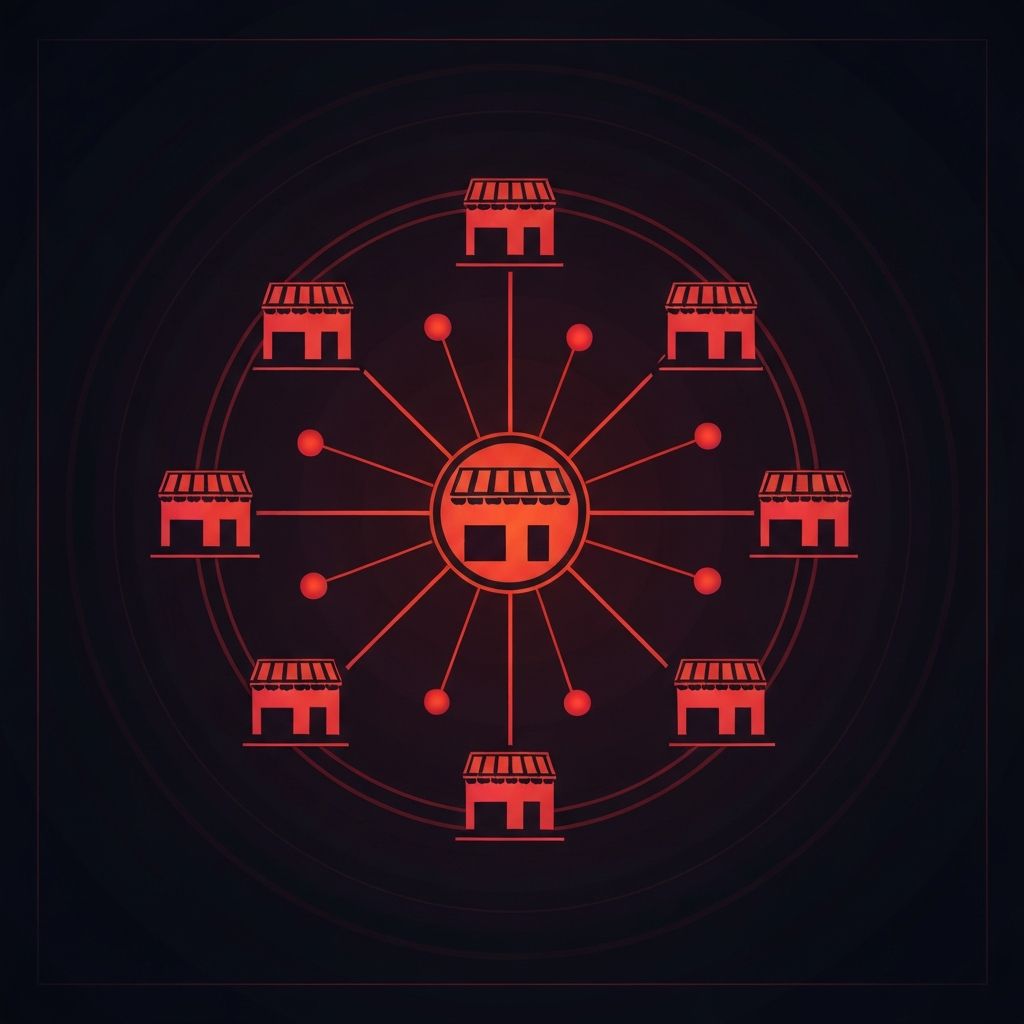
The Rise of the Digital Marketing Company Franchise
Franchising has been a cornerstone of the food, fitness, and home-service industries for decades. Today, the same model is reshaping the digital marketing world. A digital marketing company franchise gives entrepreneurs a fast track into the agency business—with proven playbooks, established branding, central support, and battle-tested service offerings—instead of building everything from scratch. For ambitious operators who love sales and client relationships but don't want to reinvent service delivery, this model offers a compelling middle ground.
The agency industry rewards specialization, systems, and consistency. Franchises bake all three into the offer. Franchisees inherit a brand customers already trust, technology that has been refined across many markets, and operational templates that compress the learning curve from years to months.
How AAMAX.CO Empowers Franchise Owners and Multi-Location Brands
For digital marketing franchise owners, hiring AAMAX.CO can deliver a meaningful edge. They are a full-service partner offering web development, digital marketing, and SEO services worldwide, and their team is highly experienced at supporting multi-location and franchise structures. Whether they're white-labeling fulfillment so franchisees can focus on local sales, or building consistent local SEO frameworks across dozens of territories, they help franchise networks scale faster while maintaining brand integrity from market to market.
How a Digital Marketing Franchise Actually Works
In a typical model, the franchisor licenses its brand, methodology, and tech stack to franchisees in exchange for an upfront fee plus ongoing royalties. Franchisees gain exclusive territories, training, marketing collateral, lead-generation programs, and access to a centralized fulfillment team. The franchisee focuses on local business development, client onboarding, and account management. Heavy execution—paid media, SEO, content, design—is often delivered or supported centrally.
This division of labor mirrors what works in many home-service franchises: the local owner builds relationships, while a national engine handles consistent quality. Done well, it allows owners to scale faster than independent agencies, especially in mid-sized markets where a respected brand still carries weight.
Who Is the Ideal Digital Marketing Franchisee?
The strongest franchisees usually share a few traits: strong sales skills, a network of small and mid-sized businesses, comfort with technology, and a willingness to follow a system rather than invent their own. Backgrounds in B2B sales, business consulting, banking, or operations all translate well. Deep technical expertise in digital marketing isn't required, because the franchisor and supporting partners typically handle execution.
What does matter is discipline. Following the playbook, hitting weekly activity targets, attending training, and consistently delivering the brand experience are the behaviors that separate top franchisees from underperformers.
Core Services Offered by Most Digital Marketing Franchises
While exact menus vary, most franchises offer a similar core: SEO, paid search, social media advertising, web development, content marketing, email marketing, and analytics. The smartest brands have started adding AI-driven services like GEO services to keep up with how customers now discover businesses through generative AI tools and answer engines.
Some franchises specialize further—focusing on home services, healthcare, legal, or e-commerce. Verticalized franchises tend to enjoy stronger margins because they can productize aggressively and command premium pricing within their niche.
Pros of Buying Into a Digital Marketing Franchise
The biggest advantage is speed. Franchisees can be operational in weeks rather than years, with branded assets, sales playbooks, CRM templates, and proposal workflows ready out of the box. Centralized fulfillment also removes the headache of recruiting and managing technical talent, which is one of the hardest parts of running an independent agency.
Brand authority is another major benefit. Local prospects often trust a recognized national brand over a brand-new local agency, shortening sales cycles and increasing close rates. Networking with fellow franchisees adds peer learning and shared best practices that independent operators rarely access.
Cons and Trade-Offs to Understand
Franchises trade flexibility for structure. Royalties and marketing fees reduce net margins compared to independent agencies. Franchisees may have limited freedom to customize service packages, pricing, or technology stacks. Brand reputation cuts both ways—issues at one location can affect perception at another. And like any franchise, success often depends heavily on the quality of the franchisor's training, support, and ongoing innovation.
Key Questions Before Signing a Franchise Agreement
Before investing, ask: What is the total all-in cost for the first 24 months? How are territories defined and protected? What does fulfillment include, and what must I handle locally? What is the typical ramp time and average franchisee revenue at year one, two, and three? How does the franchisor support lead generation? What proprietary technology and reporting tools are included?
Ask to speak with current franchisees—both top performers and average ones. Their unfiltered experience reveals far more than any glossy brochure or sales pitch. Healthy franchise systems will encourage these conversations rather than gatekeep them.
Local Marketing Still Matters
Even with central support, franchisees must invest in local visibility. Optimizing the local Google Business Profile, sponsoring community events, building local case studies, and running targeted Google ads campaigns are non-negotiables. The strongest networks pair national brand authority with hyper-local activation.
Building Long-Term Value as a Franchisee
The most successful franchisees treat their territory like an asset they intend to sell one day. They document processes, train multiple staff, diversify their client base across industries, and reinvest profits into talent and tools. Over time, a well-run franchise can achieve recurring revenue stability that rivals independent agencies—often with less operational risk.
Final Thoughts
A digital marketing company franchise is not a shortcut to easy money, but it is a powerful path for the right operator. With a proven brand, a refined service stack, ongoing training, and access to expert partners who can support fulfillment, franchisees can build a meaningful business faster and more predictably than going it alone. Evaluate the opportunity carefully, understand the trade-offs, and choose a franchisor whose values, technology, and support align with your long-term goals.
