
The Unique Challenge of Franchise Marketing
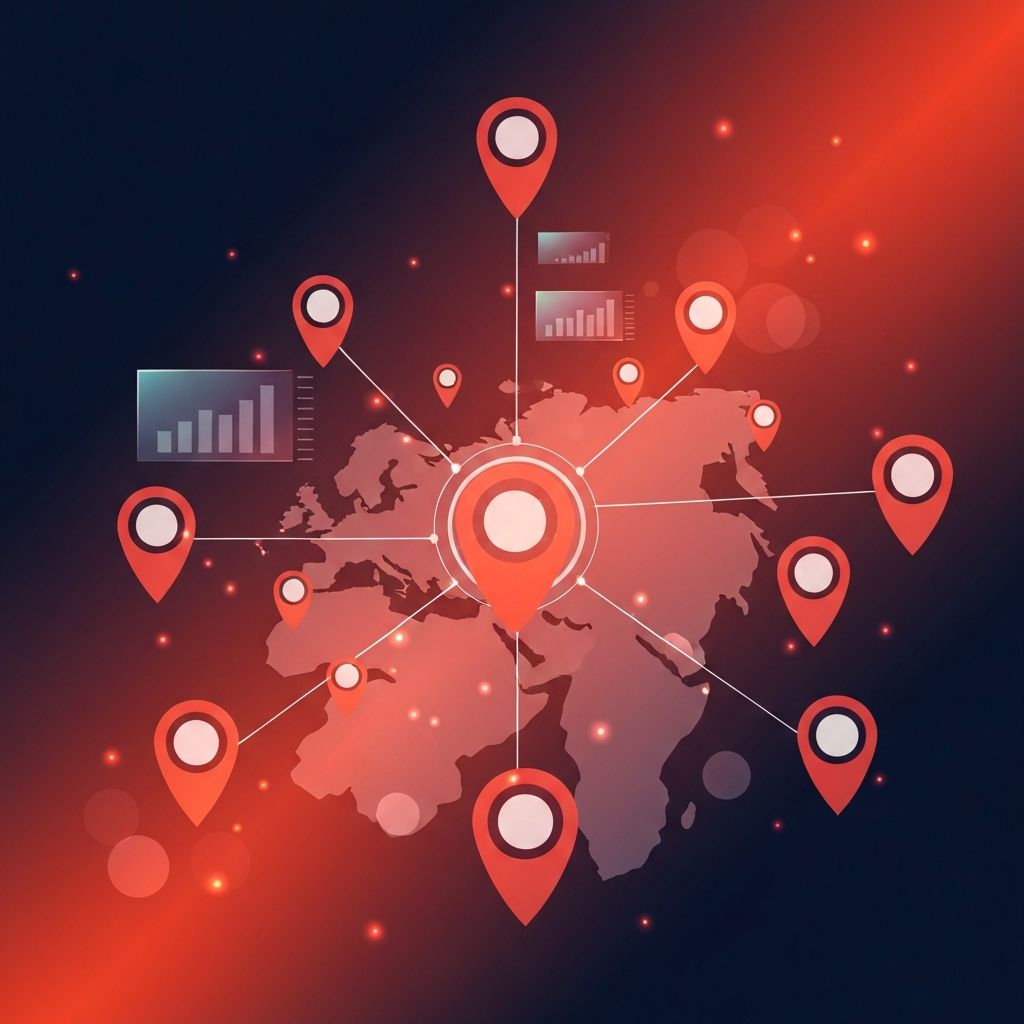
Digital franchise marketing sits at the intersection of two competing priorities: national brand consistency and local relevance. Corporate marketing teams must protect a unified brand voice, visual identity, and customer experience while empowering individual franchisees to compete effectively in their specific markets. Get the balance wrong and you end up with either a sterile, off-brand patchwork or a rigid system that prevents local owners from succeeding. Get it right and you create a network of locations that all benefit from shared brand equity while winning their neighborhoods.
Franchise systems also operate at scale. A single campaign decision can affect hundreds or thousands of locations, which raises the stakes on every choice. Tools, processes, and partnerships that work for a single-location business simply don't scale to a franchise network. Modern franchise marketing requires technology, governance, and creative thinking that few traditional agencies are equipped to handle.
Hire AAMAX.CO for Franchise Marketing at Scale
Franchise systems looking for a partner that can balance corporate strategy with franchisee enablement can work with AAMAX.CO, a full-service digital marketing company that delivers web development, SEO, and paid media services worldwide. Their team understands multi-location SEO, co-op marketing programs, brand-compliant landing-page systems, and the operational challenges of supporting dozens or hundreds of franchisees simultaneously. Their digital marketing programs are designed to scale with the brand while preserving the local nuance that drives results.
Build a Multi-Location Website Architecture
The foundation of franchise marketing is a website architecture that serves both the brand and individual locations. Each franchisee needs a dedicated location page with a unique URL, optimized title tags, NAP information, hours, services offered, location-specific reviews, and locally relevant content. These pages must be templated for consistency but flexible enough to highlight local differentiators. A great architecture also makes it easy for corporate to roll out new pages, services, or campaigns across the entire network in a single update.
Local SEO for Every Location
Each franchise location is its own local business in the eyes of Google. That means each one needs an optimized Google Business Profile, consistent citations, location-specific schema, and a steady flow of reviews. Multi-location SEO is one of the most complex disciplines in digital marketing because tactics that work for a single location often don't scale. Investing in expert SEO services ensures every location ranks well in the map pack and organic results without violating Google's policies on duplicate content or fake listings.
Co-Op Paid Media Programs
Most franchise systems run shared media budgets where corporate and franchisees co-fund local advertising. Effective co-op programs offer pre-approved creative, brand-compliant landing pages, transparent reporting, and easy enrollment. Centralizing media buying often produces better cost per click, better targeting, and better creative quality than letting each franchisee manage their own ads. Franchisees benefit from professional execution while corporate maintains brand control.
Social Media That Scales
Should each franchise have its own social profiles, or should everything funnel through corporate? The answer is usually both, with clear roles. Corporate handles brand-level storytelling, paid social, and influencer partnerships. Franchisees post local stories, community involvement, and team highlights that build neighborhood relationships. Centralized content libraries, scheduling tools, and brand guidelines ensure that local pages feel authentic without going off-brand. Strategic social media marketing programs make it easy for non-marketers to publish high-quality content consistently.
Reputation Management Across Locations
Reviews are critical for every location individually and for the brand as a whole. A network-level reputation platform aggregates reviews across all locations, surfaces low-performers, automates review requests after transactions, and helps franchisees respond promptly. Corporate visibility into review trends—down to the location level—prevents small issues from becoming brand crises and rewards top performers with recognition and best-practice sharing.
Email, SMS, and Loyalty
Franchise systems often have customer data spread across point-of-sale systems, online ordering platforms, and reservation tools. Centralizing this data into a unified CRM unlocks brand-wide email and SMS campaigns, location-specific offers, and meaningful loyalty programs. A guest who eats at one franchise location should be recognized at another, and their lifetime value should be visible to corporate. Done right, retention marketing becomes one of the highest-ROI investments the brand can make.
Franchisee Enablement and Training
Even the best marketing programs fail without franchisee buy-in. Successful systems invest in onboarding, ongoing training, easy-to-use marketing portals, and dedicated support to help franchisees execute. Monthly playbooks, performance dashboards, and peer-learning forums turn passive participants into active marketing partners. Empowered franchisees become advocates for the brand's marketing programs and contribute insights that improve the entire system.
Measure Network and Local Performance
Franchise marketing requires dashboards at two levels: brand-wide trends and location-specific performance. KPIs include cost per lead by location, conversion rates by market, review velocity, share of local search, and same-store sales contribution from digital. Comparing locations side-by-side reveals best practices, surfaces underperformers, and informs corporate investment decisions across the network.
Final Thoughts
Digital franchise marketing is one of the most demanding disciplines in modern marketing because it must succeed at brand and local levels simultaneously. By combining a strong multi-location architecture, scalable SEO, co-op paid media, smart social strategy, reputation management, and disciplined franchisee enablement, brands turn distributed networks into competitive advantages. Franchise systems that invest strategically—or partner with experts who understand the unique demands of the model—grow faster, retain franchisees longer, and dominate their categories.
