
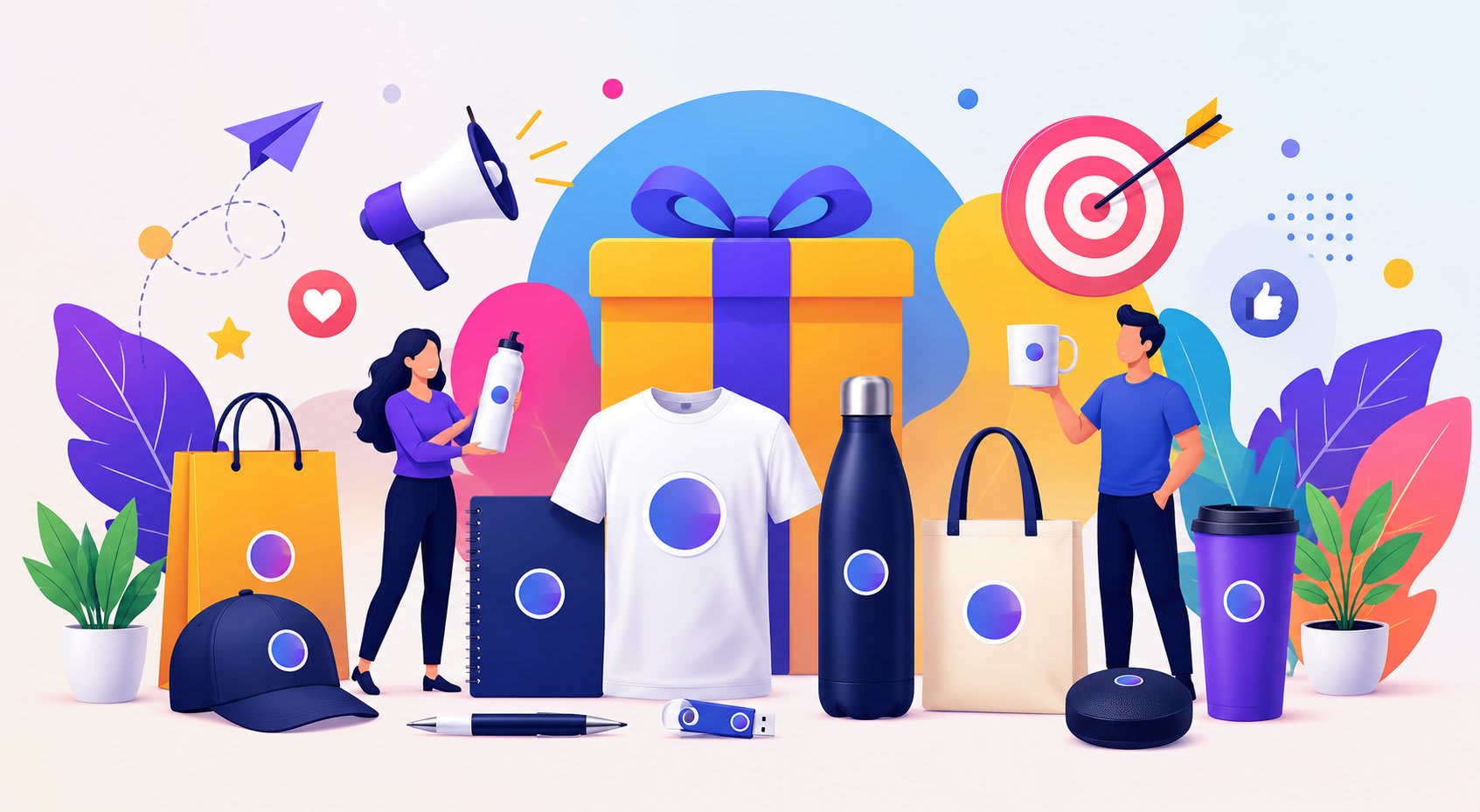
Products are not just something you sell. They can also be one of your most effective marketing tools. When used strategically, physical items extend your brand beyond digital channels and keep it visible in everyday situations.
The difference is in how you use them. Generic giveaways do not perform. Products that are integrated into a broader strategy create ongoing exposure and engagement.
Turn Products Into Everyday Use Items
The most effective promotional products are the ones people actually use. If an item sits unused, it has no marketing value.
Focus on utility first. Products that solve a small, everyday need tend to stay in circulation longer.
What Makes a Product Effective
- It fits into daily routines without effort
- It is durable enough to last over time
- It carries branding that is visible but not excessive
When a product becomes part of someone’s routine, your brand gets repeated exposure without additional spend.
Use Apparel for Mobile Brand Visibility
Apparel works differently from other products. It moves. It shows up in public spaces, events, and social settings. This creates ongoing visibility without relying on ads.
Branded apparel also builds identity. People associate the product with a group, event, or experience.
For example, items like soccer jerseys can be used for team sponsorships, community events, or internal branding. They create consistent visibility while also reinforcing connection to the brand.
The key is quality and design. If the apparel looks good and feels comfortable, people will wear it.
Integrate Products Into Campaigns
Products should not be used in isolation. They work best when tied to a specific campaign or objective.
This could be a product launch, seasonal promotion, or event. The item becomes part of the experience rather than a standalone giveaway.
Ways to Integrate Products
- Include branded items as part of event registration or attendance
- Offer products as rewards in promotions or contests
- Use physical items to reinforce digital campaigns
Integration increases the perceived value of the product and connects it directly to your marketing goals.
Build Customer Loyalty With Exclusive Items
Products can also support retention. Exclusive or limited items create a sense of value and encourage repeat engagement.
Customers are more likely to stay connected to a brand when they feel they are part of something.
Limited releases, member-only merchandise, or milestone rewards all reinforce this connection.
The focus should be on creating something that feels earned, not just distributed.
Use Products to Support Partnerships
Partnerships are a strong distribution channel. Products can be used to extend reach through collaboration.
Co-branded items allow you to tap into another audience while reinforcing your own identity.
This works well for:
- Joint events or campaigns with complementary brands
- Sponsorships where visibility is shared
- Community initiatives that involve multiple organizations
Products make these partnerships more tangible and visible.
Align Product Design With Brand Identity
Design determines whether a product is used or ignored. Poor design limits impact, regardless of how useful the item is.
Branding should be consistent but not overwhelming. Subtle integration often performs better than heavy logos.
The goal is to create something that people want to use, not something they feel obligated to keep.
Good design increases lifespan, which increases exposure.
Measure Performance and Adjust
Product-based marketing should be evaluated like any other channel. You need to understand what works and what does not.
Track how products are distributed, who receives them, and how they are used.
Metrics to Monitor
- Engagement or participation tied to product campaigns
- Repeat interactions from recipients
- Visibility in events or public settings
This data helps refine future efforts and improve return on investment.
Avoid Common Mistakes
Many businesses treat promotional products as an afterthought. This leads to wasted budget and low impact.
Common issues include low-quality items, poor alignment with the audience, and lack of strategy.
To avoid this, every product should have a clear purpose. It should support a specific goal within your marketing plan.
Final Take
Products can be one of the most effective ways to promote your business when used strategically. They extend your brand into physical spaces and create ongoing visibility.
The focus should be on usefulness, quality, and integration. When products are part of a broader strategy, they deliver consistent value over time.
