
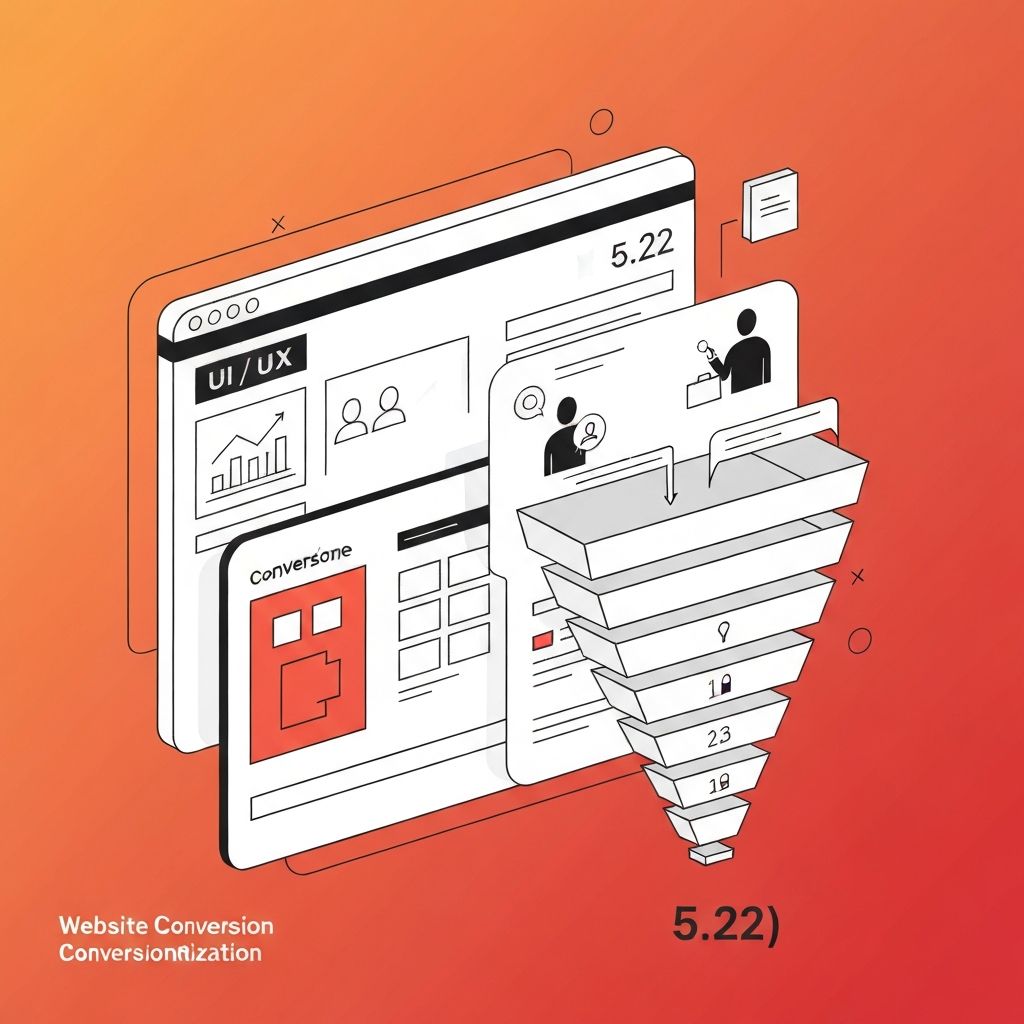
Why Conversion-Focused Web Design Wins
Conversion-focused web design is a deliberate approach where every element on a website is crafted to move visitors toward a specific, measurable outcome. Instead of asking "does this look nice," conversion-focused designers ask "does this help the user take the next step." The result is a site that not only impresses visually but also delivers tangible business results such as leads, sales, signups, and bookings.
This mindset matters because traffic alone does not grow a business. Without strong conversion performance, even the best SEO and advertising campaigns produce disappointing returns. Conversion-focused design ensures that the attention you earn actually becomes revenue.
How AAMAX.CO Drives Conversion-Focused Results
Businesses that want a site engineered for growth often choose AAMAX.CO. They are a full-service digital marketing company offering website design, website development, and SEO services worldwide. Their approach treats design, copy, and performance as one integrated system so each element reinforces the next, turning marketing traffic into measurable outcomes.
Start With Strategy, Not Aesthetics
Conversion-focused web design always starts with strategy. Before a single mockup is created, designers need to understand the business model, target audience, competitors, and core value proposition. They need to know what actions drive revenue and what objections typically hold users back. Only with that clarity can they make design choices that serve real business goals.
Discovery research often includes customer interviews, analytics reviews, heatmap studies, and competitor audits. This phase is not glamorous, but it is where the most valuable insights are uncovered. Skipping it almost guarantees a beautiful site that underperforms.
Design Around a Single Primary Action
Each page should have one primary action. On a homepage, it might be booking a consultation or starting a trial. On a pricing page, it might be choosing a plan. On a blog post, it might be subscribing or downloading a lead magnet. Clear focus helps users decide quickly.
Once that primary action is defined, every element on the page should either directly support it or move it forward. Decorative elements that compete with the main action, even beautiful ones, are often the hidden cause of poor conversion performance.
Visual Hierarchy That Guides the Eye
Conversion-focused design uses visual hierarchy as a navigation tool. Size, color, contrast, spacing, and placement all signal what matters most. A prominent headline, a clear subheadline, and a bold call to action immediately tell the user what to do. Secondary content supports the decision without distracting from it.
Scanning patterns such as the F-pattern for text-heavy pages and the Z-pattern for visual-heavy pages help structure layouts that match how users actually read online. Designers who respect these patterns see measurable improvements in engagement and conversions.
Persuasive Copy and Messaging
Design and copy are inseparable in conversion-focused web design. The strongest layouts in the world cannot rescue weak messaging. Headlines should promise a specific outcome, subheadlines should clarify how it is delivered, and body copy should address objections, build trust, and reinforce benefits.
Features tell, but benefits sell. Translate every feature of your offering into a tangible result for the customer. Instead of "24/7 support," say "Expert help whenever you need it, day or night." This shift in framing often produces outsized improvements without changing the layout at all.
Trust, Credibility, and Social Proof
Users are more skeptical than ever, and they need reasons to trust you quickly. Conversion-focused pages embed credibility throughout: real testimonials, recognizable client logos, detailed case studies, independent reviews, press mentions, certifications, and security badges.
Placement matters as much as content. Trust signals work best near points of friction, such as forms, pricing tables, and checkout flows. A strong testimonial placed right beside a call to action can directly lift conversion rates.
Forms, Funnels, and Micro-Interactions
Forms are critical conversion assets. Every field should earn its place, because each additional question costs you conversions. Multi-step forms can make longer requests feel lighter by breaking them into bite-sized screens. Clear labels, inline validation, and helpful error states further reduce abandonment.
Micro-interactions, such as hover states, loading indicators, and subtle animations, communicate responsiveness and polish. Done well, they reassure users that the system is working. Done poorly, they slow the experience down and feel gimmicky. Restraint is the secret ingredient.
For businesses with advanced workflows, such as membership platforms, quoting tools, or custom dashboards, partners who also provide web application development can build tailored funnels that integrate with your marketing stack and maximize conversions.
Performance, Mobile, and Accessibility
Conversion-focused design lives or dies on performance. Slow load times crush conversion rates. Every second of delay increases bounce and drops revenue. Optimized images, minimal scripts, efficient code, and smart caching are foundational, not optional.
Mobile-first design is equally critical because most traffic now comes from phones. Thumb-friendly layouts, simplified menus, and visible calls to action on small screens are essential. Accessibility, including sufficient contrast, semantic markup, and keyboard support, expands your reach and improves overall usability.
Testing and Optimization as a Habit
Finally, conversion-focused web design is never "done." Ongoing testing and optimization turn good pages into great ones. A/B tests on headlines, imagery, and calls to action reveal what actually moves the needle. Analytics, heatmaps, and user recordings expose friction that is invisible from the boardroom.
The most successful teams treat their websites like living products. They ship improvements every month, document learnings, and compound results over time. That discipline is what separates top-performing sites from the rest of the market.
Final Thoughts
Conversion-focused web design is less about visual trends and more about business outcomes. By combining strategic discovery, clear hierarchy, persuasive copy, strong trust signals, optimized funnels, and relentless testing, you build websites that work as hard as you do. In an increasingly crowded digital world, that focus on measurable results is the most durable competitive advantage you can create.
