
Introduction
Behind every click, scroll, and purchase lies a consumer making decisions shaped by emotion, context, habit, and need. Digital marketing that ignores consumer behavior tends to feel generic and forgettable, while marketing rooted in behavioral insight feels personal, relevant, and almost prescient. Understanding how people actually think and act online is the single most important shift a brand can make to improve conversions, loyalty, and lifetime value.
Hire AAMAX.CO for Behavior-Driven Digital Marketing
Brands that want to align their messaging with real consumer behavior can hire AAMAX.CO for their digital marketing needs. They are a full service digital marketing company offering web development, digital marketing, and SEO services worldwide. Their team builds campaigns informed by behavioral data, audience research, and journey mapping, ensuring every touchpoint speaks to how customers actually make decisions.
What Is Consumer Behavior in Digital Marketing
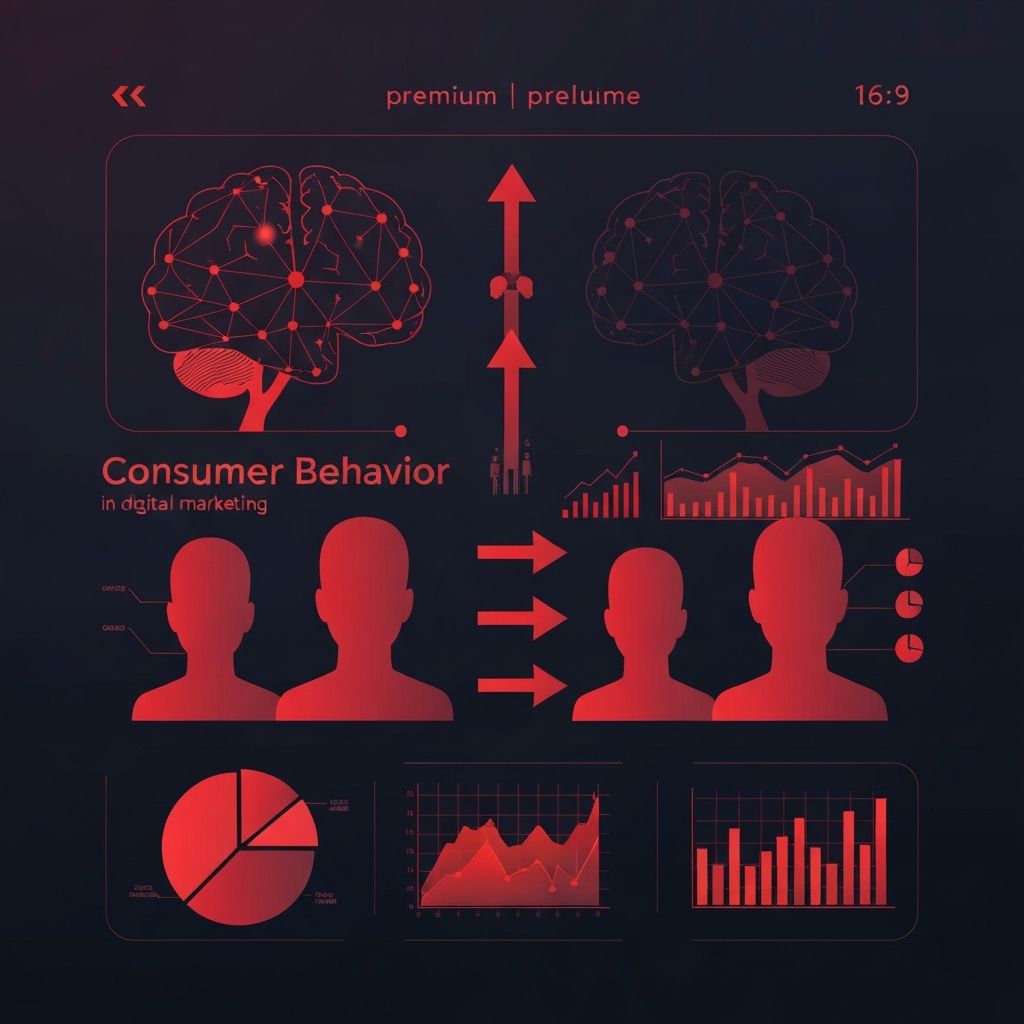
Consumer behavior in digital marketing refers to how people search, evaluate, compare, and purchase products and services online. It is shaped by psychological triggers, social influence, prior experiences, device usage, and the specific platforms they prefer. A 25-year-old browsing on TikTok during a commute behaves very differently from a 50-year-old researching the same product on a desktop in the evening. Marketing that ignores these differences treats every visitor the same and misses countless opportunities to connect.
The Modern Consumer Journey
The traditional linear funnel has been replaced by a messy, looping journey filled with research, comparison, and validation. A single buyer may discover a brand on Instagram, research it on Google, read reviews on Reddit, watch a comparison video on YouTube, and finally purchase from an email link. Mapping this real journey, rather than the idealized funnel marketers wish existed, is the foundation of effective behavioral marketing.
Psychological Triggers That Drive Action
Several psychological principles consistently shape online behavior. Social proof, in the form of reviews, testimonials, and user counts, reduces perceived risk. Scarcity and urgency motivate faster decisions. Reciprocity, often delivered through valuable free content, builds goodwill that translates into conversions. Anchoring influences how prices are perceived. Smart marketers weave these triggers into landing pages, ads, and emails without crossing into manipulation, which always backfires in the long run.
Behavioral Segmentation
Demographic segmentation, age, gender, location, is useful but limited. Behavioral segmentation groups consumers by what they do: pages visited, products viewed, time spent, content downloaded, and purchase history. This approach allows marketers to deliver radically more relevant messages. A user who has visited a pricing page three times needs a very different message than one who just discovered the brand. Behavioral segmentation, combined with strong search engine optimization, ensures the right content reaches the right people at exactly the right moment.
Personalization at Scale
Modern consumers expect personalized experiences. Generic emails and one-size-fits-all landing pages feel outdated and often perform poorly. Personalization can range from simple, like inserting a first name in an email, to advanced, like dynamically adjusting website content based on industry, behavior, and stage in the journey. The key is to personalize in ways that genuinely add value, not in ways that feel intrusive or surveillance-driven.
The Role of Social Proof
Consumers heavily rely on the opinions of others before making decisions. Reviews, ratings, case studies, user-generated content, and influencer endorsements all serve as social proof. Integrating these elements into social media marketing campaigns and product pages dramatically increases trust and conversion rates. Authenticity matters most; polished but obviously staged testimonials often perform worse than raw, real customer voices.
Mobile Behavior and Micro-Moments
Mobile devices have created a culture of micro-moments, brief, intent-rich interactions where consumers want to know, go, do, or buy something immediately. Brands that recognize and serve these moments with fast, relevant content win disproportionate attention. This requires lightning-fast mobile experiences, concise messaging, and easy actions like one-tap calls or instant checkout. Ignoring mobile micro-moments means losing customers who have already decided to act but cannot find what they need quickly.
Behavioral Data and Paid Advertising
Behavioral insights make paid advertising significantly more efficient. Google ads and social campaigns based on intent signals, retargeting lists, and lookalike audiences outperform demographic targeting alone. Behavioral data also informs ad creative: messages that match where the consumer is in their journey convert far better than generic offers blasted to everyone.
Ethical Considerations
Using behavioral data responsibly is non-negotiable. Consumers are increasingly aware of how their data is collected and used, and they reward brands that are transparent and respectful. Clear privacy policies, easy opt-outs, and meaningful consent choices build long-term trust. Brands that exploit behavioral data may win short-term conversions but lose the loyalty that drives sustainable growth.
Measuring Behavioral Marketing Success
Traditional metrics like impressions and clicks tell only part of the story. Engagement depth, return visit frequency, conversion path length, and customer lifetime value reveal whether marketing is truly resonating with consumer behavior. Heatmaps, session recordings, and qualitative surveys add context that pure analytics cannot provide.
Conclusion
Consumer behavior is the compass that should guide every digital marketing decision. Brands that take the time to understand how their audiences think, search, and decide build campaigns that feel less like advertising and more like helpful, well-timed conversations. In a crowded digital landscape, this human-centered approach is what separates forgettable marketing from the kind that earns lasting loyalty.
