
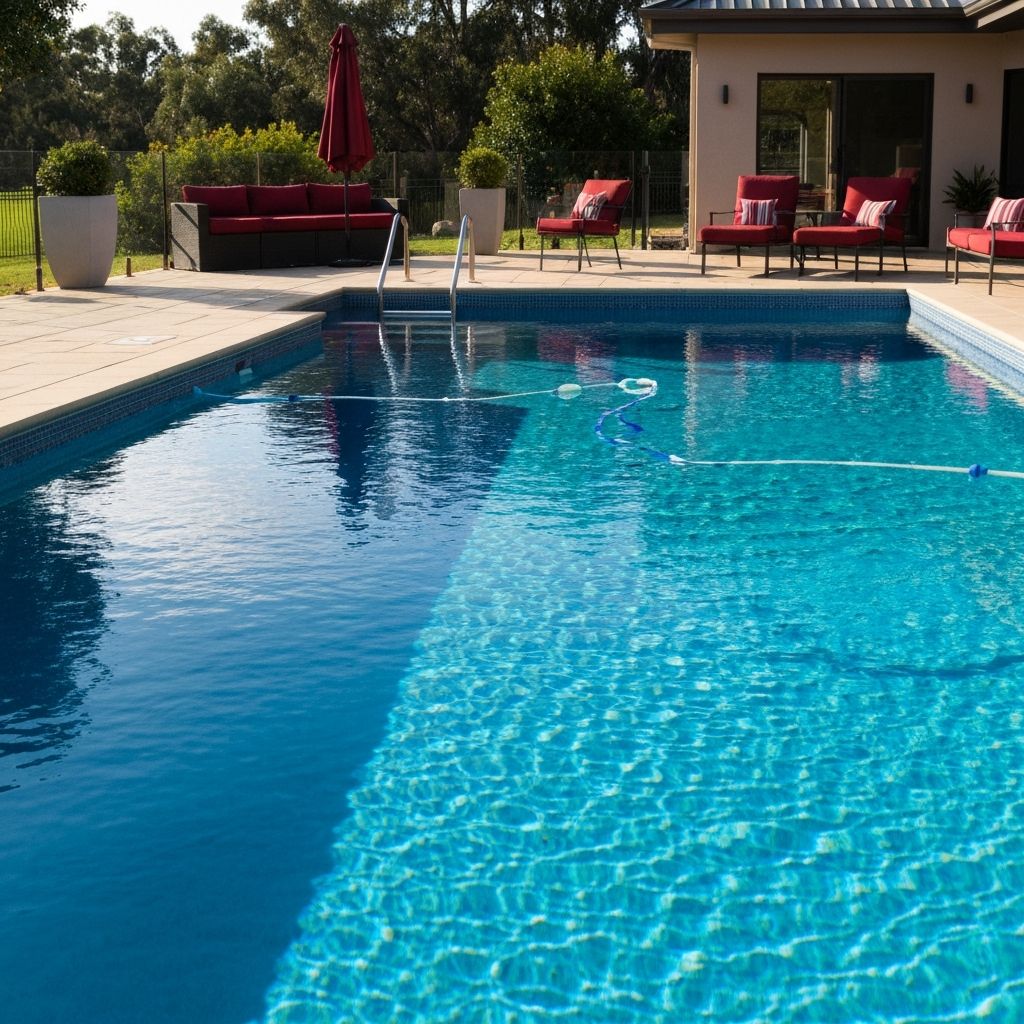
Introduction to Saltwater Pool Maintenance
Saltwater swimming pools have become increasingly popular among homeowners who want a more natural and comfortable swimming experience. Unlike traditional chlorine pools that require regular addition of chlorine chemicals, saltwater pools use a salt chlorine generator to convert dissolved salt into chlorine through a process called electrolysis. This produces a consistent, steady supply of chlorine that keeps the water clean and sanitized without the harsh chemical smell and skin irritation associated with traditional chlorinated pools.
While saltwater pools are often marketed as low-maintenance alternatives to traditional pools, they still require regular care and attention to keep the water balanced, the equipment functioning properly, and the swimming environment safe and enjoyable. Understanding the unique maintenance requirements of a saltwater pool is essential for any pool owner who wants to protect their investment and enjoy crystal-clear water all season long.
Maintaining Proper Salt Levels
The foundation of saltwater pool care is maintaining the correct salt concentration in the water. Most saltwater chlorine generators are designed to operate optimally with a salt concentration between 2,700 and 3,400 parts per million (ppm), with 3,200 ppm being the ideal target for most systems. This concentration is much lower than ocean water, which contains approximately 35,000 ppm of salt, so saltwater pools do not taste or feel excessively salty.
Test your salt levels at least once a month using a salt test strip, a digital salt meter, or by taking a water sample to your local pool supply store. Salt does not evaporate with water, so the salt concentration generally remains stable unless water is removed from the pool through splashing, backwashing the filter, or draining for maintenance. Rainfall can dilute the salt concentration, so test after heavy rain events.
If the salt level drops below the recommended range, add pool-grade salt according to the manufacturer's guidelines. Do not use table salt, rock salt, or de-icing salt, as these may contain additives that can damage your pool equipment or cloud the water. Pool-grade salt is specifically refined for use in swimming pools and dissolves cleanly without residue.
Balancing Water Chemistry
Even though a saltwater pool generates its own chlorine, maintaining proper water chemistry is still essential. The key parameters to monitor include pH, free chlorine, total alkalinity, calcium hardness, and cyanuric acid (stabilizer). Each of these plays a critical role in water quality, swimmer comfort, and equipment longevity.
The pH level should be maintained between 7.2 and 7.6, with 7.4 being ideal. Saltwater pools tend to have a naturally higher pH due to the electrolysis process, so you may need to add muriatic acid or sodium bisulfate more frequently than with a traditional pool to keep the pH in range. High pH reduces chlorine effectiveness and can cause scaling on pool surfaces and equipment.
Free chlorine levels should be maintained between 1.0 and 3.0 ppm. The salt chlorine generator produces chlorine continuously, but you may need to adjust the generator's output setting based on water temperature, bather load, and weather conditions. During hot weather and heavy use periods, increase the generator output or run time to maintain adequate chlorine levels.
Total alkalinity should be between 80 and 120 ppm. Alkalinity acts as a pH buffer, helping to prevent rapid pH fluctuations. If alkalinity is too low, pH will be unstable and difficult to control. If it is too high, pH will tend to rise and the water may become cloudy.
Salt Chlorine Generator Maintenance
The salt chlorine generator (also called a salt cell) is the heart of your saltwater pool system, and proper maintenance is crucial for its longevity and performance. The generator cell consists of titanium plates coated with a precious metal (usually ruthenium or iridium) that creates the electrolysis reaction. Over time, calcium and mineral deposits can build up on these plates, reducing the cell's efficiency and eventually causing it to fail.
Inspect your salt cell at least every three months for calcium buildup. Most modern salt systems have a self-cleaning feature that reverses the polarity of the cell to dislodge deposits, but this does not always eliminate all buildup. If you notice white, flaky deposits on the plates, it is time for a manual cleaning.
To clean the salt cell, remove it from the plumbing according to the manufacturer's instructions and soak it in a solution of muriatic acid and water (typically a 4:1 water-to-acid ratio) for 15 to 30 minutes. The acid will dissolve the calcium deposits without damaging the cell plates. Rinse the cell thoroughly with a garden hose after cleaning and reinstall it. Never scrape or physically remove deposits, as this can damage the precious metal coating and shorten the cell's lifespan.
Pool Filtration and Circulation
Proper filtration and water circulation are essential for any swimming pool, and saltwater pools are no exception. Your pool's filtration system works in conjunction with the salt chlorine generator to keep the water clean, clear, and properly sanitized. Run your pool pump for a minimum of 8 to 12 hours per day to ensure adequate water turnover and consistent chlorine generation.
Clean or backwash your pool filter regularly according to the manufacturer's schedule. Sand filters should be backwashed when the pressure gauge reads 8 to 10 psi above the clean starting pressure. Cartridge filters should be removed and hosed off every 2 to 4 weeks and deep-cleaned with a filter cleaner solution every 3 to 6 months. DE (diatomaceous earth) filters should be backwashed and recharged with fresh DE as needed.
Check your pool's circulation patterns to ensure that water is flowing evenly throughout the pool. Dead spots with poor circulation can develop algae and bacterial growth even in a properly chlorinated pool. Adjust your return jet eyeballs to create a circular flow pattern and ensure that the skimmer is pulling water from the surface effectively.
Preventing and Treating Algae
Algae growth is a common concern for all pool owners, and saltwater pools are not immune. While the consistent chlorine production of a salt system helps prevent algae, certain conditions can allow algae to gain a foothold. Warm temperatures, high phosphate levels, inadequate chlorine production, and poor circulation all create favorable conditions for algae growth.
The best defense against algae is prevention. Maintain proper chlorine levels, run your pump for adequate hours each day, brush the pool walls and floor weekly, and keep the pool clean of debris. Adding a preventive algaecide on a weekly or biweekly basis provides an extra layer of protection, especially during the hottest months of summer.
If algae does appear, act quickly. Brush all visible algae from the pool surfaces to expose it to the chlorine in the water. Increase the salt generator output to maximum and run the pump continuously until the water clears. You may also need to add a shock treatment to rapidly raise chlorine levels and kill the algae. Use a non-chlorine shock or a calcium hypochlorite shock, as some products are not recommended for saltwater systems.
Seasonal Care and Winterization
Saltwater pools require seasonal adjustments to account for changing temperatures, usage patterns, and weather conditions. During the swimming season, more frequent testing and higher chlorine output are needed to keep up with increased bather load and warmer temperatures. In the off-season, maintenance needs decrease but do not disappear entirely.
If you live in a climate where temperatures drop below freezing, proper winterization is essential to protect your saltwater pool equipment from damage. Drain water from the pump, filter, heater, and all plumbing lines to prevent freeze damage. Remove the salt cell from the plumbing and store it indoors. Add winterizing chemicals to the pool according to the manufacturer's guidelines and cover the pool with a quality winter cover.
In warmer climates where the pool is used year-round, reduce the salt generator output during cooler months when the chlorine demand is lower. Continue to test and balance the water regularly, even during periods of reduced use, to prevent problems from developing unnoticed.
Long-Term Maintenance and Equipment Replacement
A well-maintained salt chlorine generator cell typically lasts 3 to 7 years, depending on the quality of the cell, how well it is maintained, and the chemical balance of the pool water. When the cell reaches the end of its life, it will no longer produce sufficient chlorine, and the system may display an error message. Replacement cells are available from the system manufacturer and can usually be installed by the pool owner without professional help.
Saltwater can be more corrosive than traditionally chlorinated water, particularly to metal components. Inspect your pool's ladders, handrails, light fixtures, and other metal components regularly for signs of corrosion. Using sacrificial zinc anodes in the pool can help protect metal fixtures by providing a preferential target for galvanic corrosion.
With consistent care and attention, a saltwater swimming pool can provide years of comfortable, low-maintenance swimming enjoyment. The key is to stay on top of regular testing, keep the salt cell clean, and address any water chemistry issues promptly before they become larger problems.
