
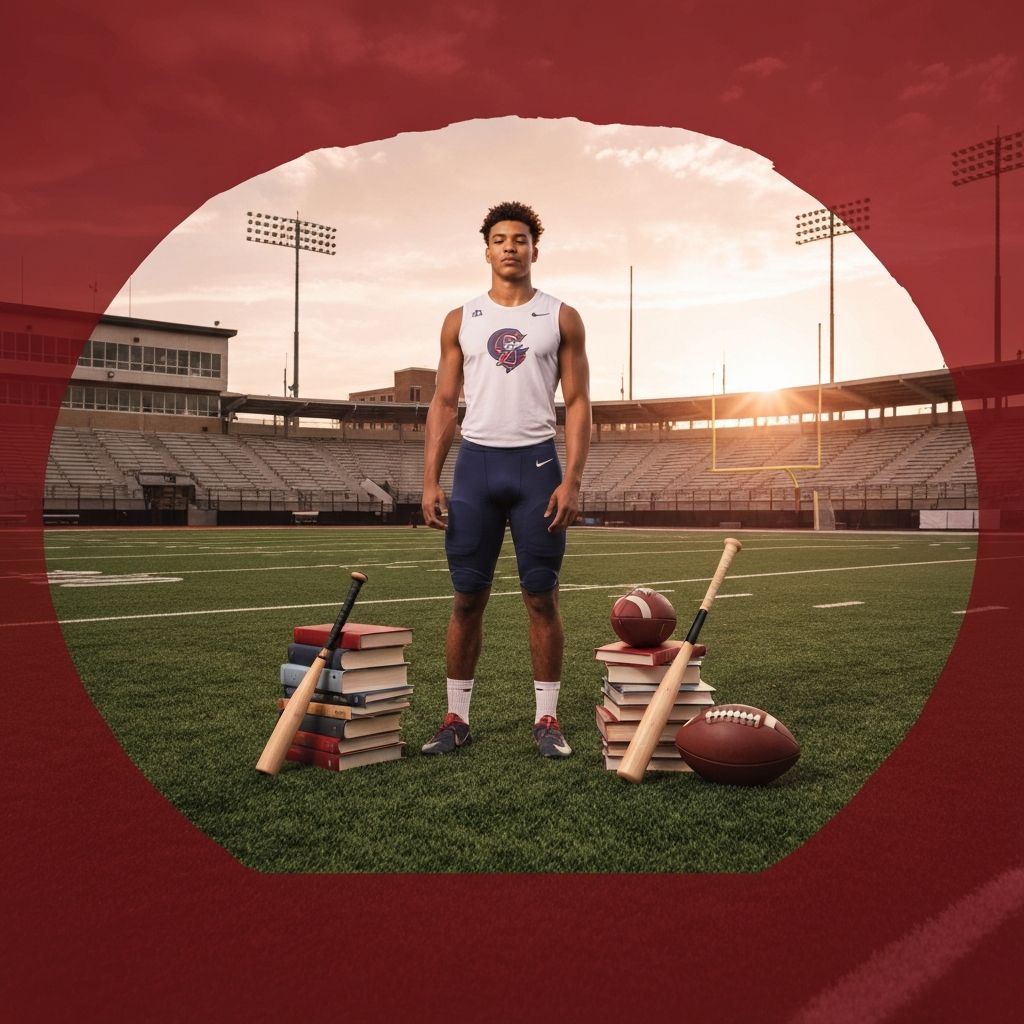
The JUCO to D1 Transfer Path
Yes, you can absolutely transfer from a junior college to a Division 1 school, and it is one of the most well-established pathways in college athletics. Thousands of student-athletes take this route every year, using their time at a junior college (JUCO) to develop their athletic skills, improve their academics, and earn a scholarship to a four-year university. Some of the most successful professional athletes in history, including stars in football, basketball, baseball, and other sports, began their college careers at junior colleges before transferring to D1 programs.
The JUCO-to-D1 path offers several advantages. It gives athletes who may not have been recruited out of high school a chance to prove themselves at a competitive level. It provides an opportunity to improve academic credentials that might not have met D1 eligibility requirements out of high school. And it allows athletes to mature physically and mentally before competing at the highest level of college sports.
NCAA Eligibility Requirements for JUCO Transfers
The NCAA has specific eligibility requirements for students transferring from two-year colleges to Division 1 schools. These requirements are designed to ensure that transfer students are prepared academically for the rigors of a four-year university while maintaining fair competition standards across all member institutions.
For JUCO transfers to be immediately eligible at a D1 school, they must meet several key criteria. The student must have graduated from the junior college with an associate's degree or have completed a minimum of 48 transferable semester hours or 72 quarter hours. They must have achieved a cumulative GPA of at least 2.5 on a 4.0 scale in all coursework. Additionally, they need to have completed specific core course requirements, including courses in English, math, and natural or physical science.
The requirements differ slightly depending on whether the student-athlete is a qualifier or non-qualifier out of high school. A qualifier is a student who met the NCAA's initial eligibility requirements at the time of high school graduation, while a non-qualifier did not. Non-qualifiers face additional requirements, including the need to complete the full two-year program and earn the associate's degree before transferring.
Academic Requirements and Credit Transfer
One of the most important aspects of the JUCO-to-D1 transfer is ensuring that your academic credits will transfer to your chosen four-year institution. Not all credits earned at a junior college will be accepted by every university, and the transfer process can be complicated by differences in course numbering, curriculum, and accreditation.
To maximize credit transferability, research the transfer agreements between your junior college and potential D1 schools early in your JUCO career. Many junior colleges have articulation agreements with nearby four-year universities that guarantee the transfer of specific courses and credits. These agreements can save you time and money by ensuring that the courses you take at the JUCO will count toward your degree at the university.
Work closely with both your JUCO academic advisor and the admissions office at your target D1 school to create a course plan that satisfies both the NCAA's eligibility requirements and the university's degree requirements. Taking the right courses from the start can prevent you from having to take additional classes after transferring, which can delay your graduation and use up valuable eligibility.
The Recruiting Process for JUCO Athletes
The recruiting process for JUCO athletes transferring to D1 schools differs from the traditional high school recruiting process in several ways. JUCO athletes are generally more proven commodities, having demonstrated their abilities in college-level competition. This can work in your favor, as D1 coaches can evaluate your actual college performance rather than relying solely on high school statistics and potential.
To get recruited from a JUCO, start by creating a highlight video that showcases your best performances. This video should be professionally edited and include your most impressive plays, stats, and measurables. Upload it to recruiting platforms like NCSA, Hudl, or BeRecruited, and share it directly with D1 coaches via email.
Attend camps, combines, and showcases where D1 coaches will be present. These events give coaches a chance to evaluate you in person and can lead to scholarship offers. Your JUCO coach can also play a crucial role in the recruiting process by contacting D1 coaches on your behalf, providing recommendations, and arranging visits.
Be proactive in reaching out to D1 programs. Send introductory emails to coaches at schools you are interested in, including your highlight video, academic information, and statistics. Follow up regularly but respectfully, and be prepared to provide transcripts, test scores, and other documentation when requested.
Understanding the Transfer Portal
The NCAA Transfer Portal has changed the landscape for all college transfers, including JUCO-to-D1 transfers. The Transfer Portal is a database that lists all student-athletes who have indicated their desire to transfer, making their information available to coaches at other schools. While the portal was originally designed for four-year-to-four-year transfers, JUCO athletes can also benefit from understanding how it works.
When a student-athlete enters the Transfer Portal, their current school is notified, and coaches from other schools are free to contact them about potential transfer opportunities. For JUCO athletes, the portal provides increased visibility and access to D1 programs that might not have otherwise been aware of their availability.
However, the Transfer Portal also increases competition. More athletes are transferring than ever before, which means D1 programs have a larger pool of candidates to choose from. To stand out, JUCO athletes need to have strong academic credentials, impressive athletic performance, and a clear narrative about why they would be a valuable addition to a D1 program.
Financial Aid and Scholarships
One of the biggest advantages of the JUCO-to-D1 pathway is the potential for athletic scholarships. D1 schools offer full and partial athletic scholarships across a wide range of sports, and JUCO transfers are eligible for these scholarships just like any other incoming student.
The availability and amount of scholarship money varies by sport, school, and conference. Head-count sports like Division 1 FBS football and men's and women's basketball offer full scholarships that cover tuition, room and board, books, and other expenses. Equivalency sports divide a set number of scholarships among the roster, meaning individual athletes may receive partial scholarships that cover a portion of their expenses.
In addition to athletic scholarships, JUCO transfers may be eligible for academic scholarships, need-based financial aid, and other forms of financial assistance at the D1 level. Filing the FAFSA and researching all available financial aid options at your target schools can help maximize your total financial package.
Common Challenges and How to Overcome Them
The JUCO-to-D1 transition comes with several challenges that athletes should be prepared for. The jump in competition level can be significant, as D1 programs generally have more talented and experienced players than JUCO teams. The increased travel schedule, media attention, and performance pressure can also be overwhelming for athletes who are not prepared.
Academically, the transition from a community college to a four-year university can be challenging. Class sizes are often larger, coursework is more demanding, and the expectations for independent study and time management are higher. Developing strong study habits and time management skills at the JUCO level will help you succeed academically after transferring.
Socially, transferring to a new school means building new relationships and adapting to a new environment. Unlike freshmen who arrive together and bond through shared experiences, transfers are joining established teams and social groups. Being open, positive, and willing to put in extra effort to build relationships can help ease this transition.
Success Stories and Inspiration
The JUCO-to-D1 pathway has produced countless success stories across all sports. In football, numerous JUCO transfers have gone on to play in the NFL, including players who were not recruited out of high school but developed into elite talents during their time at junior college. Basketball has a similarly rich history of JUCO transfers making major impacts at the D1 level and beyond.
These success stories demonstrate that the JUCO route is not a lesser path but rather an alternative path that can lead to the same destinations as the traditional recruiting route. With dedication, hard work, and smart planning, transferring from a JUCO to a D1 school can be the stepping stone to achieving your athletic and academic dreams.
