
Homemade Food and Airport Security: What You Need to Know
Traveling with homemade food is a smart strategy for saving money, accommodating dietary restrictions, and ensuring you have access to meals you actually enjoy during your journey. The Transportation Security Administration (TSA) does allow passengers to bring homemade food through security checkpoints, but there are specific rules and guidelines you need to follow to avoid any issues.
Understanding these regulations before you arrive at the airport can save you from the frustrating experience of having your carefully prepared meal confiscated at the security checkpoint. The rules primarily center around the physical state of the food, whether it is solid, liquid, gel, or paste, rather than whether it was made at home or purchased commercially.
Solid Homemade Foods: Generally No Restrictions
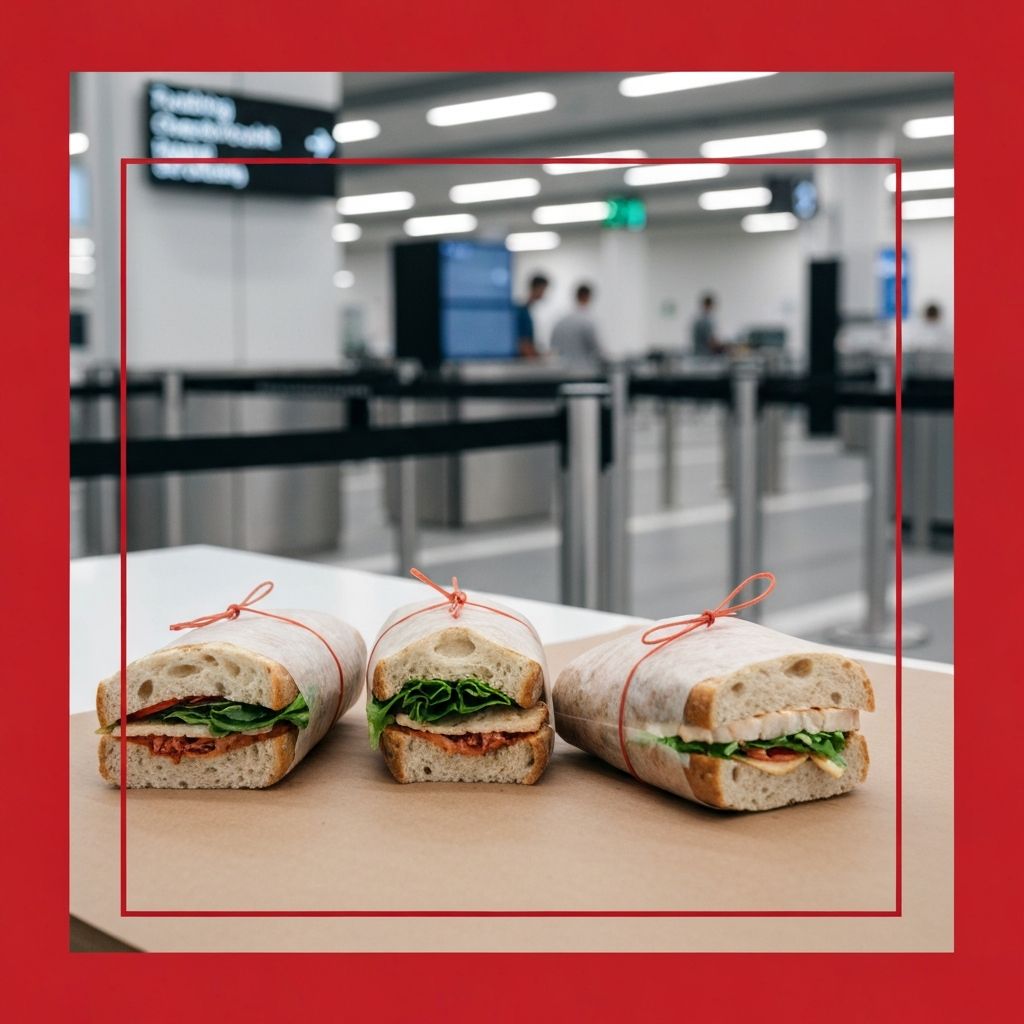
The good news for home cooks is that solid homemade foods face virtually no restrictions when it comes to carry-on luggage. Sandwiches, wraps, burritos, and similar handheld items are perfectly acceptable. Whether you have made a turkey club, a veggie wrap, or a peanut butter sandwich, these items will sail through security without issue.
Baked goods are another excellent option for homemade travel food. Cookies, muffins, brownies, banana bread, scones, and other baked treats are all permitted. These items tend to travel well, do not require refrigeration for short periods, and provide satisfying sustenance during flights. Homemade granola bars and energy balls are also popular choices among health-conscious travelers.
Cooked meals like pasta salads, grain bowls, rice dishes, and similar items are allowed as long as they are solid in nature. Pack them in sealed, leak-proof containers to prevent messes and make inspection easier if TSA officers need to take a closer look at your food.
The Liquid Rule and Homemade Food
The primary challenge when bringing homemade food through security involves the TSA's 3-1-1 liquid rule. Any food item that is classified as a liquid, gel, paste, or cream must comply with this rule: containers must be 3.4 ounces (100 milliliters) or less, all fitting in a single quart-sized clear plastic bag.
This rule affects many common homemade items. Soups, stews, chili, and broths are all classified as liquids and must comply with the 3-1-1 rule. Homemade sauces, gravies, and dressings face the same restriction. If you have made a delicious pasta sauce or salad dressing, you will need to pack it in small containers or transfer it to checked luggage.
Spreads and dips present a common point of confusion. Homemade hummus, guacamole, salsa, peanut butter, cream cheese, and similar items are all considered to be in the liquid/gel category by TSA. Even if your homemade hummus is quite thick, it still falls under the liquid restrictions. To bring these items, pack them in containers of 3.4 ounces or less.
Tips for Packing Homemade Food
Successful food travel starts with smart packing. Use containers that are easy to open for inspection and that seal tightly to prevent leaks. Glass containers, while excellent for food storage, add weight and can break during travel. Lightweight, BPA-free plastic containers or silicone bags are better choices for air travel.
Label your homemade food clearly, especially if it contains common allergens or if its appearance might cause confusion during X-ray screening. TSA officers occasionally need to inspect food items more closely, and clear labeling can speed up this process.
Consider the temperature requirements of your food. If you are packing perishable items like chicken salad, egg salad, or dairy-based dishes, use an insulated bag with frozen ice packs. Remember that ice packs must be completely frozen when you go through security; partially melted ice packs may be confiscated.
Wrap items individually when possible. This makes it easier for TSA officers to inspect individual items without disturbing your entire meal. It also helps with organization and prevents flavors from mixing during transit.
Special Dietary Considerations
Travelers with special dietary needs have even more reason to pack homemade food. Those following kosher, halal, vegan, gluten-free, or allergen-free diets may find limited suitable options at airports. Preparing food at home ensures complete control over ingredients and preparation methods.
For travelers with severe food allergies, homemade food provides crucial peace of mind. Cross-contamination risks that exist in restaurant and airport food preparation are eliminated when you prepare food in your own kitchen. Pack extra food in case of delays, as finding allergen-safe food during an unexpected layover can be extremely challenging.
Parents traveling with children benefit greatly from packing homemade snacks and meals. Children's food preferences can be particular, and having familiar, homemade options available prevents meltdowns caused by hunger and unfamiliar food options. Baby food and formula are exempt from the 3-1-1 rule when traveling with an infant or toddler.
What to Do If Your Food Is Flagged
Occasionally, homemade food items may trigger additional screening at the security checkpoint. This is normal and does not mean you have done anything wrong. X-ray images of dense food items can sometimes resemble prohibited materials, prompting TSA officers to take a closer look.
If your food is selected for additional inspection, remain calm and cooperative. TSA officers may open containers, swab items for trace detection, or visually inspect your food. They are trained to handle food respectfully and will typically allow you to repack your items after inspection.
In rare cases, a TSA officer may determine that a food item cannot pass through security. This usually happens when a liquid or gel item exceeds the 3-1-1 limits. If this happens, you have several options: consume the item before entering the secure area, transfer it to checked luggage (if you have time), or surrender it. Being aware of the rules beforehand minimizes the chances of this happening.
International Travel With Homemade Food
Bringing homemade food on international flights adds complexity due to customs and agricultural regulations at your destination. Many countries prohibit or restrict the importation of certain food categories, including fresh fruits and vegetables, meats, dairy products, and items containing animal-derived ingredients.
The safest approach for international travel is to consume all homemade food during the flight and avoid bringing perishable items through customs. Shelf-stable items like crackers, cookies, and packaged snacks are generally accepted internationally, but regulations vary by country. Research your destination's specific food import rules before traveling.
When returning to the United States, declare any food items to U.S. Customs and Border Protection. Failure to declare food items, even seemingly innocuous ones, can result in significant fines. It is always better to declare and have items inspected than to risk penalties for undeclared food.
Best Homemade Travel Food Ideas
Some homemade foods are simply better suited for air travel than others. Trail mix with nuts, seeds, dried fruits, and a few chocolate chips is a classic travel snack that packs well and provides sustained energy. Homemade granola bars, made with oats, honey, and your choice of add-ins, are another excellent option.
For substantial meals, consider building sturdy sandwiches or wraps that will not become soggy during travel. Sourdough bread and hearty rolls hold up better than softer breads. Pack condiments separately in small containers to keep bread from getting wet.
Cold pasta salads, grain salads with quinoa or farro, and bean-based salads are filling and travel well when packed in sealed containers with ice packs. These dishes often taste even better at room temperature, making them ideal for flights where reheating is not an option.
