
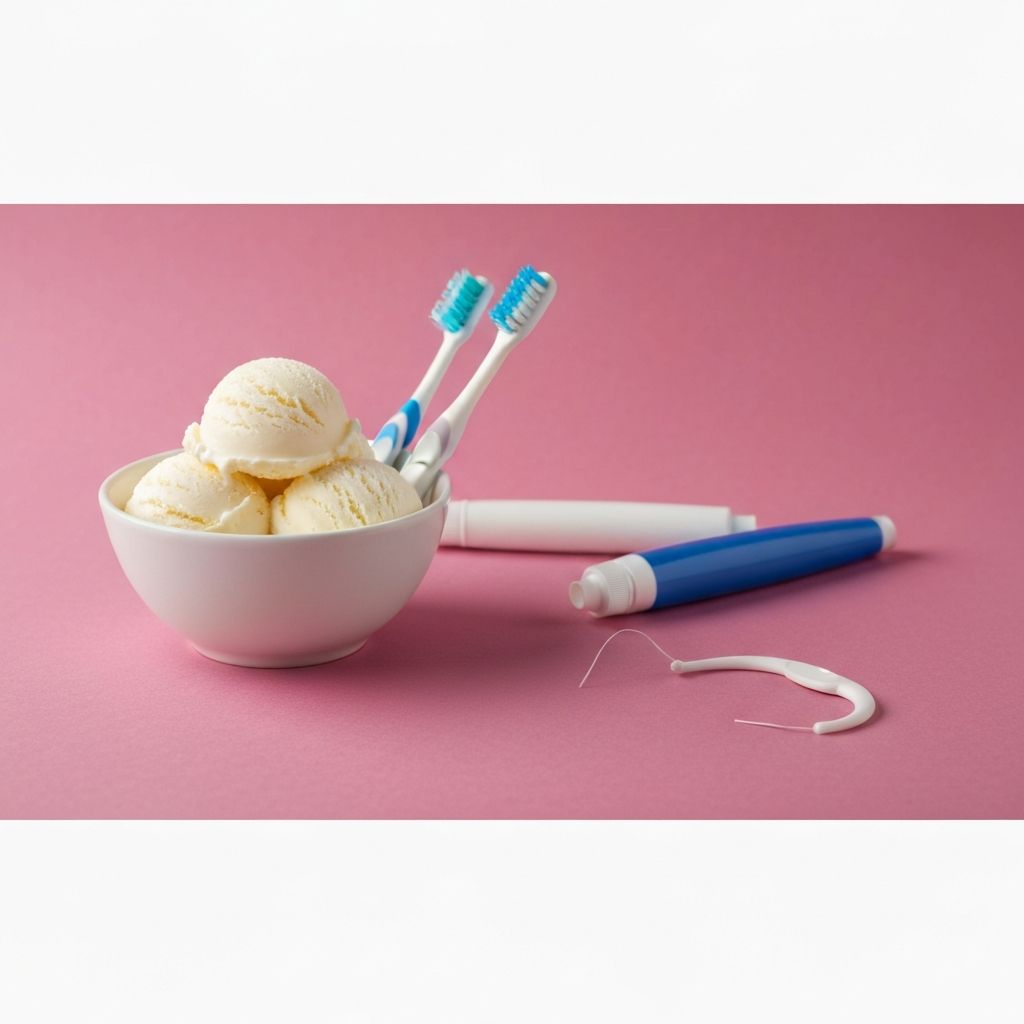
Ice Cream After Tooth Extraction: The Good News
If you have recently had a tooth extraction or are preparing for one, you may be pleased to learn that ice cream is generally considered one of the best foods to eat during your recovery. Dentists and oral surgeons frequently recommend ice cream as part of a soft food diet following tooth extraction, and there are solid medical reasons behind this seemingly indulgent advice. The cold temperature, soft texture, and nutritional content of ice cream make it an ideal comfort food during the often uncomfortable recovery period that follows dental surgery.
Tooth extraction, whether it involves a wisdom tooth, a damaged tooth, or a tooth being removed for orthodontic reasons, creates a wound in the mouth that requires careful management during the healing process. The extraction site, known as the socket, needs time to form a stable blood clot and begin the healing process. During this period, the foods you eat play a crucial role in your comfort and recovery, and ice cream checks many of the boxes that dental professionals look for in post-extraction foods.
Why Dentists Recommend Ice Cream
There are several specific reasons why ice cream is a recommended food after tooth extraction. First, the cold temperature of ice cream provides natural pain relief by numbing the area around the extraction site. Cold temperatures cause blood vessels to constrict, which reduces blood flow to the area and helps minimize swelling and inflammation. This vasoconstrictive effect can provide significant relief from the throbbing discomfort that often follows an extraction.
Second, ice cream requires absolutely no chewing, which is essential during the first few days after extraction. Chewing motions can disturb the blood clot forming in the extraction socket, potentially leading to a painful condition called dry socket (alveolar osteitis). Dry socket occurs when the blood clot that protects the underlying bone and nerve endings is dislodged or dissolved before the wound has healed, exposing the bone to air, food, and bacteria. Ice cream can be easily consumed with a spoon using gentle tongue movements, avoiding the jaw motions that could disturb the healing socket.
Third, ice cream provides calories and nutrition during a time when eating is difficult and appetite may be reduced. The high calorie content of ice cream, along with its protein and calcium from the dairy content, helps maintain energy levels and supports the healing process. When you are limited in what you can eat, every calorie and nutrient counts, and ice cream delivers both in an easily consumable form.
Best Types of Ice Cream to Choose
While ice cream in general is a good post-extraction food, some types are better suited to the recovery period than others. Smooth, creamy ice cream flavors without chunks, chips, or crunchy additions are the best choices. Vanilla, chocolate, strawberry, butter pecan (without large pecan pieces), and caramel are all excellent options that provide a smooth eating experience without any hard or crunchy elements that could irritate the extraction site.
Soft serve ice cream is an particularly good choice because its softer texture requires even less effort to eat than regular hard ice cream. Frozen yogurt, as long as it is smooth and chunk-free, is another good option that offers the benefits of probiotics, which some studies suggest may support oral health. Gelato, with its dense, creamy texture and intense flavor, is also well-suited to post-extraction eating.
Ice cream flavors to avoid during recovery include anything with nuts, cookie pieces, candy chunks, hard chocolate chips, toffee bits, or other crunchy mix-ins. Rocky road, cookie dough, butter brittle, and similar flavors with hard or chewy additions could damage the extraction site, dislodge the blood clot, or leave food particles trapped in the healing socket. If you love these flavors, save them for after your recovery is complete.
When to Start Eating Ice Cream After Extraction
Most dental professionals advise waiting at least one to two hours after a tooth extraction before eating anything, including ice cream. During the first hour or two, the primary goal is to allow a stable blood clot to form in the extraction socket. Your dentist will typically have you bite down on a piece of gauze immediately after the extraction, and it is important to keep this gauze in place and avoid eating, drinking, or rinsing until the initial bleeding has stopped.
Once the initial bleeding has subsided and you have removed the gauze, you can begin eating soft foods including ice cream. During the first 24 hours, the ice cream serves a dual purpose: it provides nutrition and comfort while the cold temperature helps reduce swelling. In the days that follow, ice cream remains a good food choice as you gradually expand your diet to include other soft foods.
It is worth noting that while cold foods like ice cream are beneficial in the first 24 to 48 hours after extraction, most dental professionals recommend switching to warm (not hot) foods after the first day or two. Warm foods promote blood flow to the area, which supports healing. However, ice cream can still be enjoyed throughout your recovery period as a cold treat; just balance it with warm, nutritious foods as well.
Important Precautions
While ice cream is generally safe and beneficial after tooth extraction, there are several important precautions to keep in mind. First, do not use a straw to consume milkshakes or blended ice cream drinks. The sucking motion creates negative pressure in the mouth that can dislodge the blood clot from the extraction socket, leading to dry socket. This is one of the most commonly cited precautions after tooth extraction, and it applies to any beverage or liquid food consumed through a straw.
Second, avoid ice cream that is extremely cold or frozen solid. While the cold temperature is beneficial, biting into extremely hard, frozen ice cream could cause pain or even damage to the extraction site. Allow your ice cream to soften slightly before eating it, and let each bite warm to a comfortable temperature in your mouth before swallowing.
Third, be mindful of sugar content. While the occasional bowl of ice cream is perfectly fine during recovery, consuming excessive amounts of sugary food is never ideal for dental health. The extraction site is an open wound that is susceptible to bacterial infection, and sugar feeds the bacteria that cause dental infections. Maintain your oral hygiene routine as best you can during recovery, following your dentist's specific instructions for cleaning around the extraction site.
Dairy-Free and Vegan Alternatives
For those who are lactose intolerant, have dairy allergies, or follow a vegan diet, there are numerous non-dairy ice cream alternatives that provide the same benefits as traditional ice cream after tooth extraction. Coconut milk ice cream, almond milk ice cream, oat milk ice cream, and soy-based frozen desserts all offer the cold temperature and soft texture that make ice cream such an ideal post-extraction food.
Sorbet, while technically not ice cream, is another excellent option that provides cold comfort without any dairy. The smooth, fruity texture of sorbet is easy to eat and refreshing during recovery. However, be cautious with very acidic sorbets (such as citrus or pineapple flavors), as the acid may irritate the extraction site and cause discomfort.
Other Recommended Soft Foods
While ice cream is a wonderful option after tooth extraction, it should be part of a varied soft food diet that provides the full range of nutrients your body needs to heal. Other excellent post-extraction foods include smooth soups (not hot, but warm), mashed potatoes, yogurt, applesauce, smoothies (without a straw), scrambled eggs, oatmeal, pudding, and mashed avocado. Protein shakes and nutritional supplement drinks can also help ensure you are getting adequate nutrition during your recovery.
As your recovery progresses, typically after three to five days, you can gradually introduce slightly firmer foods such as soft pasta, steamed vegetables, fish, and soft bread. Continue to avoid hard, crunchy, spicy, and acidic foods until your dentist confirms that the extraction site has healed sufficiently, which usually takes about one to two weeks for simple extractions and up to several weeks for more complex surgical extractions.
Signs of Complications
While most tooth extractions heal without problems, it is important to be aware of potential complications that should prompt a call to your dentist. If you experience severe, worsening pain that is not controlled by your prescribed or over-the-counter pain medications, especially if the pain begins or intensifies three to four days after the extraction, you may be developing dry socket. Other signs of complications include fever, excessive bleeding that does not stop with gentle pressure, swelling that worsens after the first two to three days, numbness or tingling that persists beyond the expected duration of anesthesia, and any discharge or unusual taste from the extraction site.
Conclusion
Yes, you can absolutely eat ice cream after a tooth extraction, and in fact, it is one of the most commonly recommended foods for post-extraction recovery. The cold temperature helps reduce pain and swelling, the soft texture eliminates the need for chewing, and the caloric content helps maintain your energy during a time when eating is challenging. Choose smooth flavors without hard or crunchy mix-ins, avoid using a straw, and complement your ice cream consumption with other nutritious soft foods for a comfortable and speedy recovery. Think of it as doctor's orders to enjoy a bowl of your favorite ice cream, one of the few medical recommendations that feels like an indulgence.
