
Can You Share Your Ice Cream with Your Cat?
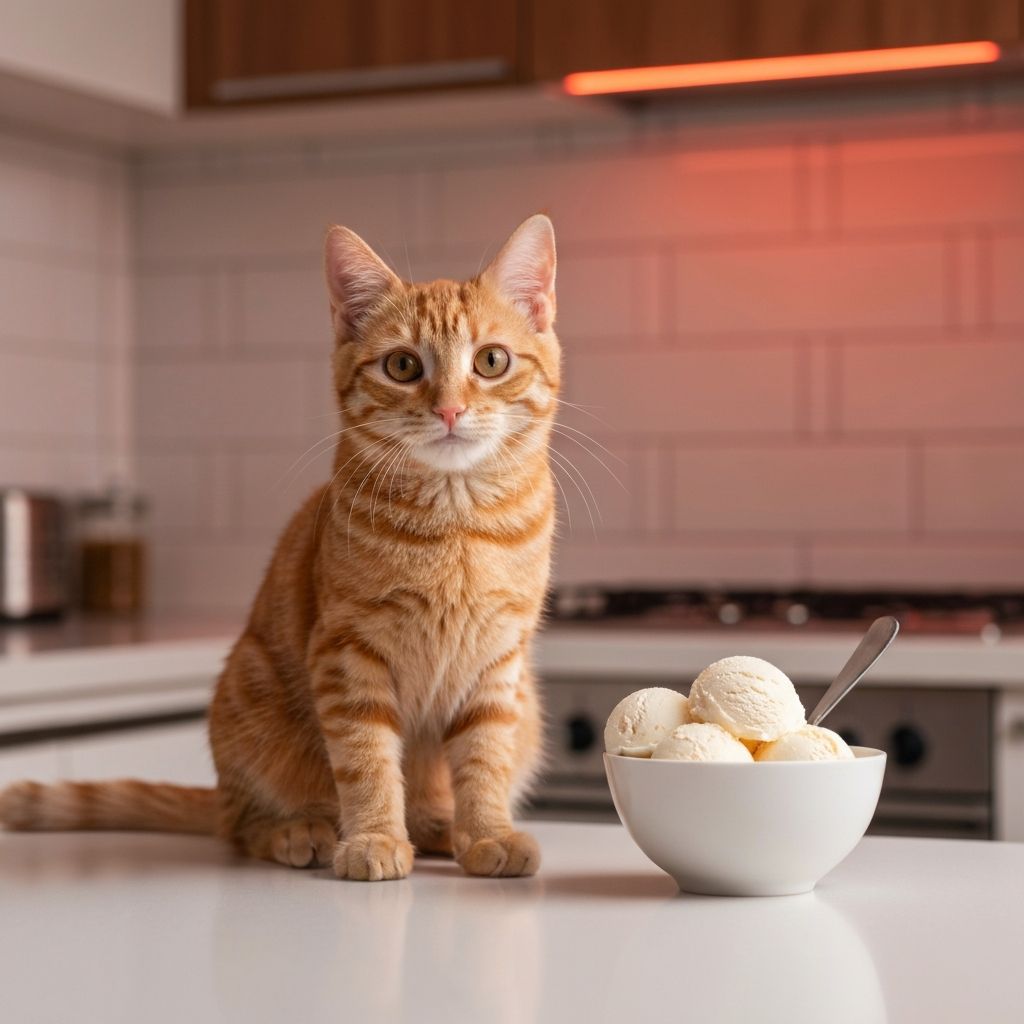
As a cat owner, you have probably experienced your feline friend showing intense interest in whatever you are eating, especially something as enticing as a bowl of vanilla ice cream. The curious nose, the persistent pawing, the pleading eyes, it can be hard to resist sharing a taste. But should you? The short answer is that while a tiny lick of vanilla ice cream is unlikely to cause serious harm to most cats, it is not recommended as a regular treat or in significant quantities. Vanilla ice cream contains several ingredients that can cause digestive issues and other health problems in cats, making it an unsuitable food for your feline companion.
Understanding why vanilla ice cream is problematic for cats requires a closer look at cat physiology and the specific ingredients found in ice cream. Cats are obligate carnivores, meaning their bodies are designed to derive nutrition primarily from animal-based proteins. Their digestive systems are not well-equipped to handle many of the ingredients commonly found in human desserts, including dairy, sugar, and artificial additives.
Lactose Intolerance in Cats
The most significant concern with feeding vanilla ice cream to cats is lactose intolerance. Despite the popular image of a cat happily lapping up a saucer of milk, most adult cats are lactose intolerant. Kittens produce an enzyme called lactase that allows them to digest their mother's milk, but as cats mature, they typically produce less and less lactase. By adulthood, most cats lack sufficient lactase to properly digest the lactose found in dairy products like ice cream.
When a lactose-intolerant cat consumes dairy products, the undigested lactose passes into the intestines where it is fermented by bacteria, producing gas, bloating, and diarrhea. The severity of symptoms varies between individual cats, some may experience only mild discomfort, while others may have significant gastrointestinal distress. Symptoms typically appear within 8 to 12 hours after consuming dairy and can include vomiting, diarrhea, abdominal pain, bloating, and gas.
Even cats that appear to tolerate small amounts of dairy without obvious symptoms may still experience subclinical digestive issues that can affect their overall health over time. The cumulative effect of regularly feeding dairy products to a lactose-intolerant cat can lead to chronic digestive problems and nutritional imbalances.
Sugar and Its Effects on Cats
Vanilla ice cream contains a significant amount of sugar, which is another problematic ingredient for cats. Interestingly, cats lack the taste receptors for sweetness, meaning they cannot actually taste the sugar in ice cream. Despite this, the sugar still affects their bodies. Cats' digestive systems are not designed to process large amounts of sugar, and regular consumption can lead to several health issues.
Obesity is one of the primary concerns associated with feeding sugary foods to cats. Ice cream is calorie-dense, and even small amounts can contribute significantly to a cat's daily caloric intake. A single tablespoon of vanilla ice cream contains approximately 30-40 calories, which may seem insignificant to humans but represents a meaningful portion of a cat's daily caloric needs (approximately 200-300 calories for an average indoor cat). Regular consumption of high-calorie treats like ice cream can lead to weight gain and obesity, which increases the risk of diabetes, joint problems, and heart disease in cats.
Diabetes is another serious concern. Cats are susceptible to type 2 diabetes, and diets high in sugar and carbohydrates can increase the risk. Feline diabetes requires lifelong management with insulin injections and dietary modifications, making prevention through proper nutrition far preferable to treatment after diagnosis.
Vanilla Extract and Other Additives
The vanilla flavoring in ice cream can also pose concerns for cats. Pure vanilla extract contains a significant amount of alcohol (typically 35 percent or more), which is toxic to cats even in small amounts. While the amount of vanilla extract in a serving of ice cream is relatively small, it is worth noting that cats are much more sensitive to alcohol than humans due to their smaller body size and different metabolism.
Many commercial vanilla ice creams also contain artificial flavors, colors, preservatives, and stabilizers that may not agree with a cat's sensitive digestive system. Some ice cream brands use the sweetener xylitol, which is extremely toxic to dogs and can also be harmful to cats. While xylitol toxicity is less common in cats than in dogs, it is still a risk that should not be ignored.
Certain vanilla ice cream varieties may also contain chocolate chips, coffee, raisins, or macadamia nuts as mix-ins, all of which are toxic to cats. Even if you choose a plain vanilla variety, the base ingredients of cream, sugar, and flavorings are enough to make it an inappropriate food for felines.
What If Your Cat Already Ate Vanilla Ice Cream?
If your cat has already consumed a small amount of vanilla ice cream, there is generally no need to panic. A few licks or a small taste is unlikely to cause serious harm to a healthy adult cat. Monitor your cat for the next 12 to 24 hours for any signs of gastrointestinal distress, including vomiting, diarrhea, loss of appetite, lethargy, or abdominal discomfort. These symptoms are usually self-limiting and will resolve on their own as the offending food passes through the digestive system.
If your cat consumed a larger amount of ice cream, or if you notice severe or prolonged symptoms, contact your veterinarian for guidance. Severe vomiting or diarrhea can lead to dehydration, especially in kittens, elderly cats, or cats with pre-existing health conditions. Your veterinarian may recommend bringing the cat in for examination or providing at-home supportive care such as offering small amounts of water frequently and withholding food for a few hours to let the stomach settle.
If your cat consumed ice cream containing chocolate, xylitol, raisins, or other known toxic ingredients, contact your veterinarian or the ASPCA Animal Poison Control Center (888-426-4435) immediately. These ingredients can cause serious and potentially life-threatening toxicity in cats and may require emergency veterinary treatment.
Safe Frozen Treats for Cats
If you want to share a frozen treat with your cat, there are several safer alternatives to vanilla ice cream. Frozen plain, unsweetened broth (chicken or bone broth with no onion or garlic) can be frozen into ice cubes for a refreshing and safe cat treat. Many cats enjoy licking frozen broth cubes, especially during warm weather.
You can make cat-friendly frozen treats by blending a small amount of plain, unsweetened canned pumpkin (not pumpkin pie filling) with a little water and freezing the mixture in ice cube trays. Pumpkin is safe for cats in small amounts and provides fiber that supports digestive health. Some pet stores also sell specially formulated frozen treats for cats that are made with cat-safe ingredients and appropriate nutritional profiles.
Plain, lactose-free yogurt in very small amounts can be an occasional treat for some cats. The fermentation process breaks down some of the lactose, making it easier to digest than ice cream. However, even lactose-free dairy should be given sparingly, as it still contains sugars and calories that can contribute to weight gain.
Conclusion
While a tiny taste of vanilla ice cream is unlikely to cause serious harm to a healthy adult cat, it is not a recommended treat due to the presence of lactose, sugar, and other ingredients that can cause digestive problems and contribute to obesity and diabetes. Most adult cats are lactose intolerant, and their bodies are not designed to process the high sugar content found in ice cream. Instead of sharing your ice cream, opt for cat-safe frozen treats like frozen broth cubes or specially formulated feline treats. Your cat may not understand why you are withholding the ice cream, but their digestive system will thank you.
