
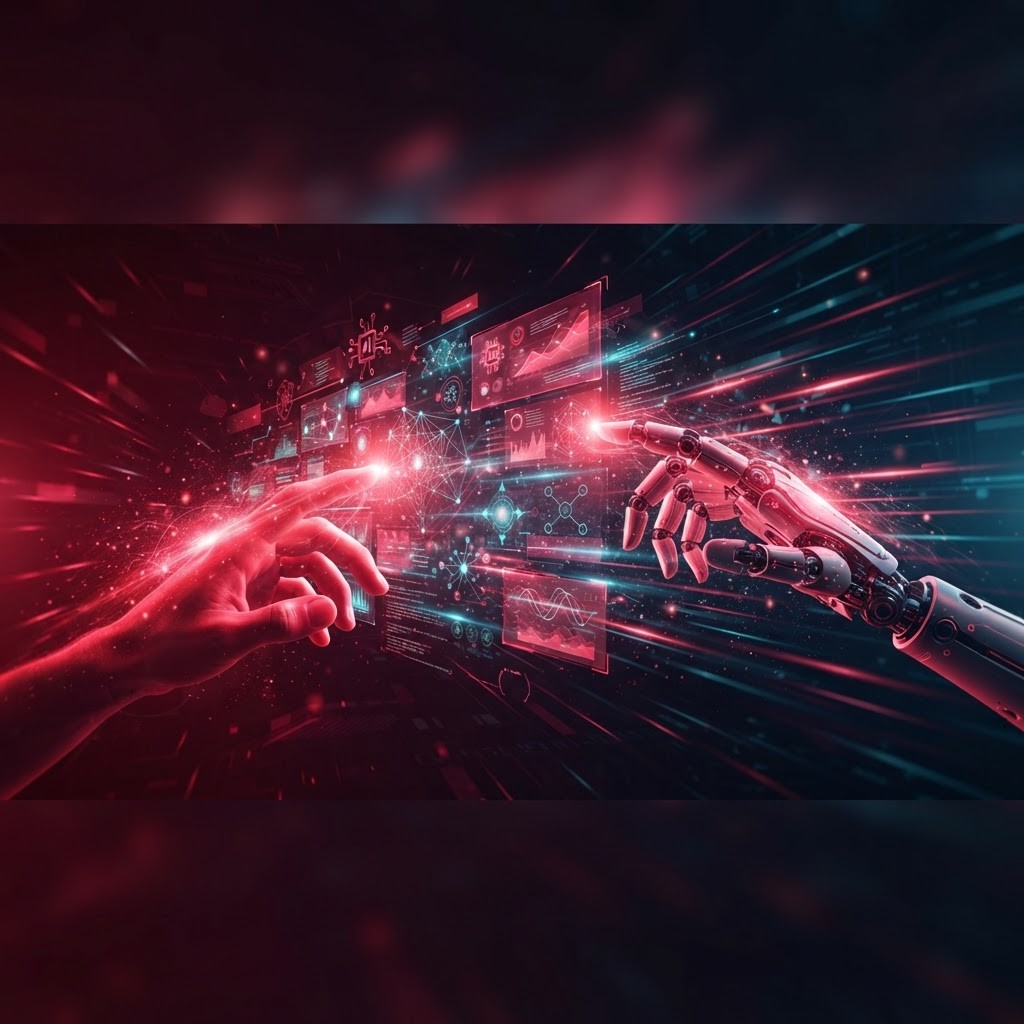
It is one thing to ask whether AI can replace web developers today; it is another to ask what happens in five, ten, or twenty years. As models grow more capable and autonomous agents begin to plan and execute multi-step tasks, the future of web development is a subject of intense speculation. While no one can predict technology with certainty, the most realistic outlook is that AI will handle an ever-larger share of implementation while human developers ascend to roles centered on architecture, oversight, and innovation.
Why AAMAX.CO Is a Smart Long-Term Technology Partner
Preparing for the future means working with teams that stay ahead of the curve. AAMAX.CO is a full-service digital marketing and development company operating worldwide, and they continually adopt emerging tools to deliver better results for their clients. Their forward-looking approach means the products they build are designed to evolve alongside new technology, not become obsolete. From modern web platforms to AI-enhanced marketing systems, their generative engine optimization and development expertise helps businesses stay competitive as the digital landscape transforms.
The Trajectory of AI Capability
AI coding tools have improved remarkably quickly. Each generation writes more coherent code, handles larger contexts, and makes fewer mistakes. Autonomous coding agents can now break down tasks, write files, run tests, and iterate toward a goal. Extrapolating these trends, it is reasonable to expect that AI will eventually build substantial portions of standard applications with minimal human keystrokes.
However, capability growth rarely translates into full replacement. Every wave of automation in software history—from high-level languages to frameworks to low-code platforms—was predicted to reduce the need for developers. Instead, each abstraction increased demand by making software cheaper to build, expanding what businesses attempt, and creating new categories of work.
The Persistent Limits of Automation
Even highly advanced AI faces structural limits. Software exists to solve human problems, and defining those problems precisely is inherently difficult. Requirements are ambiguous, stakeholders disagree, and priorities shift. Translating messy human needs into clear specifications will remain a human responsibility because it requires context, negotiation, and accountability.
There is also the matter of trust and responsibility. When a banking app leaks data or an e-commerce checkout fails during peak sales, someone must be accountable. Organizations need humans who understand systems deeply enough to guarantee reliability, comply with regulations, and make ethical decisions. Fully autonomous development without human oversight introduces risks most businesses will not accept.
How Roles Will Shift
The future developer will likely resemble an architect and director more than a typist. Instead of writing every line, they will define systems, set constraints, review AI-generated work, and intervene where machines fall short. Skills like system design, security, performance engineering, and product thinking will grow in importance, while raw syntax knowledge becomes less central.
New roles will emerge as well. Prompt engineering, AI orchestration, model fine-tuning, and AI safety review are already becoming specialties. Just as the web created jobs that did not exist before it, AI-driven development will spawn entirely new categories of technical work.
Preparing for the Future
Developers who want long-term security should invest in adaptable, high-level skills. Deep understanding of computer science fundamentals, architecture, and problem-solving will remain valuable regardless of tooling. Learning to collaborate with AI agents, evaluate their output critically, and integrate them into robust workflows will be essential. Soft skills—communication, collaboration, and business acumen—will differentiate top performers.
Businesses, meanwhile, should build with flexible foundations and partner with teams that embrace change. The organizations that thrive will treat AI as an accelerant while keeping experienced humans in charge of vision and quality.
Conclusion
In the future, AI will almost certainly write most routine code, but it is unlikely to fully replace web developers. Instead, it will elevate them into roles focused on design, oversight, creativity, and strategy. The developers and companies that adapt—learning to lead AI rather than fear it—will find themselves more productive and valuable than ever. The craft of building for the web will endure; it will simply look different, more powerful, and more exciting.
