
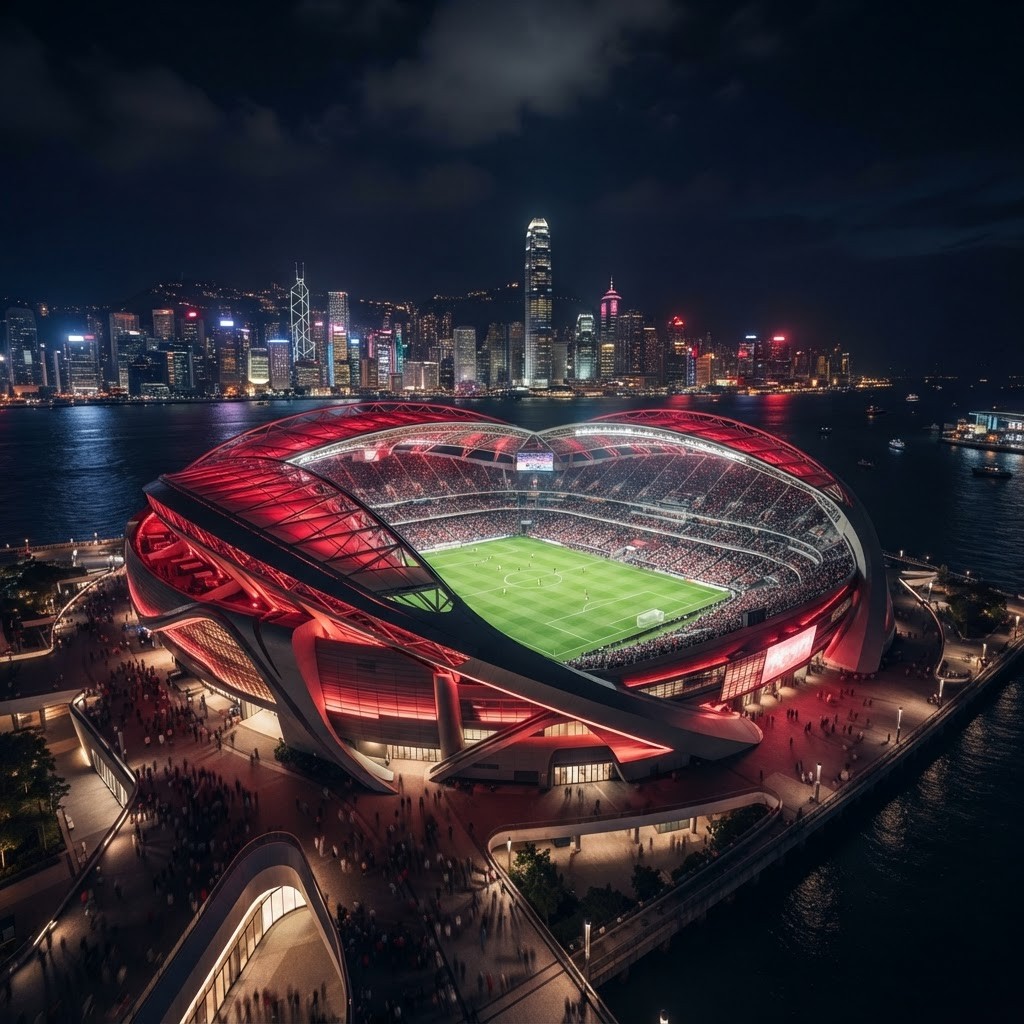
Hong Kong's Sporting Landscape
Hong Kong may be famous for its skyline and finance, but it also boasts a rich and growing sporting culture supported by an impressive array of stadiums and arenas. These venues host international tournaments, local league matches, concerts, and community events, serving as gathering points for hundreds of thousands of residents and visitors each year. The city's investment in world-class facilities reflects its ambition to become a leading destination for major sporting events in Asia.
From the enormous new Kai Tak Sports Park to historic grounds steeped in tradition, Hong Kong's stadiums cater to a wide range of sports including football, rugby, athletics, and cricket. Each venue offers a unique atmosphere, blending modern amenities with the passionate energy of local fans.
The Crown Jewels of Hong Kong Sport
Kai Tak Stadium, the centrepiece of the Kai Tak Sports Park, is the city's largest and most advanced venue. With a retractable roof and a capacity of tens of thousands, it has quickly become the premier location for major international matches, concerts, and marquee events, setting a new benchmark for sporting infrastructure in the region.
Hong Kong Stadium in So Kon Po is the city's traditional sporting heart, best known as the long-time home of the Hong Kong Sevens rugby tournament. Its electric atmosphere during major events has made it iconic among sports fans worldwide.
Mong Kok Stadium is a beloved football venue in the heart of Kowloon, hosting many local Premier League matches and offering an intimate, passionate environment that brings fans close to the action.
Community and Multi-Purpose Venues
Tseung Kwan O Sports Ground serves the growing eastern New Territories with modern athletics and football facilities used for both competitive and community events. Tsing Yi Sports Ground provides quality track and field amenities and is a popular training ground for local athletes.
Siu Sai Wan Sports Ground offers a scenic coastal setting on Hong Kong Island, frequently used for athletics meets and school competitions. Sham Shui Po Sports Ground is another key community venue supporting grassroots sport in one of Kowloon's most densely populated districts.
Specialised and Indoor Arenas
Hong Kong Coliseum in Hung Hom, while famous as a concert venue, also hosts indoor sporting events such as badminton, basketball, and volleyball tournaments. Its central location and iconic inverted-pyramid design make it one of the most recognisable structures in the city.
Queen Elizabeth Stadium in Wan Chai is a versatile indoor arena regularly used for basketball, martial arts, and international competitions. Kowloon Bay Sports Ground completes the list, providing accessible facilities for athletics and football in the eastern Kowloon area.
The Role of Stadiums in the Community
Stadiums in Hong Kong serve a purpose far beyond hosting elite competition. They are vital community assets that promote healthy lifestyles, provide training grounds for young athletes, and foster a sense of local pride. Many venues open their facilities to schools, amateur clubs, and recreational users, ensuring that public investment benefits residents of all ages and abilities.
Major events held at these venues also deliver significant economic benefits, attracting tourists, generating hospitality revenue, and raising the city's international profile. The Hong Kong Sevens alone draws visitors from around the globe, showcasing the city's ability to host world-class sporting spectacles.
The Future of Sporting Infrastructure
The opening of the Kai Tak Sports Park represents a transformative moment for Hong Kong sport. With state-of-the-art facilities, sustainable design, and the capacity to host the biggest global events, the complex positions the city to compete with regional rivals for major tournaments and international fixtures. Continued investment in both flagship and community venues ensures that sport remains accessible and vibrant across all districts.
As the city grows, so too does the demand for modern, multi-purpose venues that can adapt to evolving sporting and entertainment needs. Sustainability, accessibility, and technology integration are increasingly central to stadium design, reflecting broader trends in global venue development.
Conclusion
Hong Kong's stadiums are more than just concrete and steel; they are the beating heart of the city's sporting spirit. From the grandeur of Kai Tak Stadium to the passionate crowds at Mong Kok, each venue contributes to a dynamic sporting culture that unites communities and celebrates athletic achievement. Whether you are a dedicated fan or a casual visitor, exploring these iconic venues offers a memorable glimpse into Hong Kong's love of sport.
