
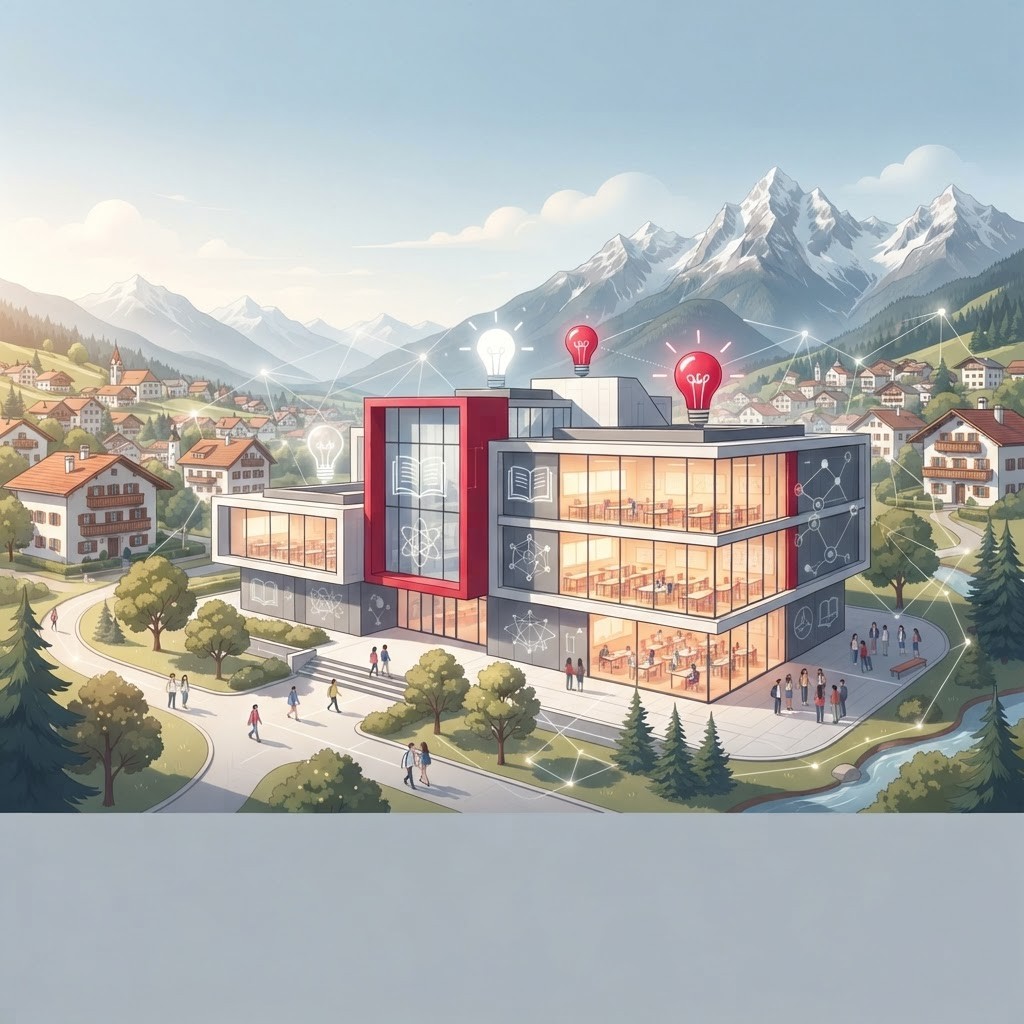
The Austrian School System
Austria is renowned for a well-structured, high-quality education system that balances academic rigour with personal development. Schooling is compulsory for nine years, and the system offers diverse pathways ranging from general secondary schools to vocational and technical institutions. Public education is free and highly regarded, while a strong selection of private and international schools caters to families seeking specialised curricula or multilingual instruction.
The best schools in Austria are distinguished not only by academic results but also by their commitment to creativity, critical thinking, languages, and extracurricular enrichment. Whether following the Austrian national curriculum or an international programme, these institutions prepare students for higher education and life beyond the classroom.
Leading International Schools
Vienna International School is one of the most prestigious institutions in the country, offering the International Baccalaureate to a diverse, multicultural student body. Known for its inclusive ethos and academic strength, it attracts families from around the world working in the capital's international organisations.
American International School Vienna provides an American-style curriculum alongside the IB Diploma, emphasising well-rounded education, sports, and the arts. Its strong college counselling and global outlook make it a popular choice for expatriate families.
Danube International School Vienna delivers IB programmes from primary through secondary levels in a supportive, internationally minded environment. It is valued for small class sizes and individual attention.
Distinguished Private and Bilingual Schools
Theresianum, a historic institution in Vienna, combines a long tradition of academic excellence with modern educational values. Renowned for its high standards and prestigious reputation, it remains one of the most sought-after private schools in the country.
Amadeus International School Vienna uniquely blends the International Baccalaureate with a dedicated music programme, nurturing both academic and artistic talent. Its boarding option and creative focus set it apart.
Lycée Français de Vienne serves the French-speaking community and families seeking a bilingual education, following the French national curriculum while embracing Austrian and international influences.
Top Public and Specialised Schools
Sir Karl Popper Schule in Vienna is a highly regarded public school for gifted students, offering an enriched academic programme with a focus on independent thinking and research. It consistently produces outstanding results and prepares students for demanding university courses.
BG/BRG Klosterneuburg and other leading Gymnasiums exemplify the strength of the Austrian public secondary system, offering rigorous academic tracks in sciences, languages, and humanities within supportive communities.
HTL (Höhere Technische Lehranstalt) institutions, such as those in Vienna and other major cities, are celebrated technical secondary schools. They combine general education with advanced technical training, producing highly employable graduates in engineering, IT, and applied sciences.
Islamic and denominational schools, along with Montessori and Waldorf schools across the country, provide alternative pedagogical approaches, reflecting Austria's respect for educational diversity and parental choice.
What Defines a Top Austrian School
Excellent schools in Austria share several characteristics. They employ well-qualified, dedicated teachers and maintain modern facilities that support both academic and extracurricular activities. Strong emphasis is placed on language learning, with many students becoming fluent in English and other foreign languages.
Holistic development is another hallmark. Leading schools encourage participation in sports, music, arts, and community projects, helping students build confidence, discipline, and social skills. A supportive, inclusive atmosphere ensures that learners of varying backgrounds and abilities can thrive.
Trends in Austrian Education
Austrian schools are increasingly integrating digital tools and modern teaching methods into the classroom. Emphasis on STEM subjects, sustainability education, and global citizenship reflects broader societal priorities. International curricula such as the IB continue to grow in popularity, offering globally recognised qualifications.
Vocational and technical education remains a distinctive strength. The dual system and specialised technical schools ensure that students who choose practical pathways gain valuable skills and strong career prospects, contributing to Austria's low youth unemployment and skilled workforce.
Support for Families and Newcomers
Austria's schools are increasingly attentive to the needs of diverse families, including those relocating from abroad. Many institutions provide integration support, German-language assistance, and counselling services that help newcomers settle quickly. International schools ease transitions for globally mobile families by offering familiar curricula and multilingual environments, while public schools benefit from strong state funding that keeps quality high and costs low. Parent involvement is encouraged, and communication between teachers and families is generally close and constructive. Extracurricular programmes, after-school care, and inclusive education for students with additional needs further demonstrate the system's holistic approach. For families weighing a move to Austria, this supportive framework is often a decisive advantage.
Choosing the Right School
Selecting the best school depends on a family's priorities, language preferences, and long-term educational goals. International schools suit globally mobile families seeking widely recognised qualifications, while prestigious private institutions and top public Gymnasiums offer excellent academic pathways within the Austrian tradition. Technical schools appeal to students drawn to applied learning and clear career routes.
Across all these options, Austria's schools share a commitment to quality, inclusivity, and the well-rounded development of every child. This dedication is what continues to make the country's education system one of the most respected in Europe.
