
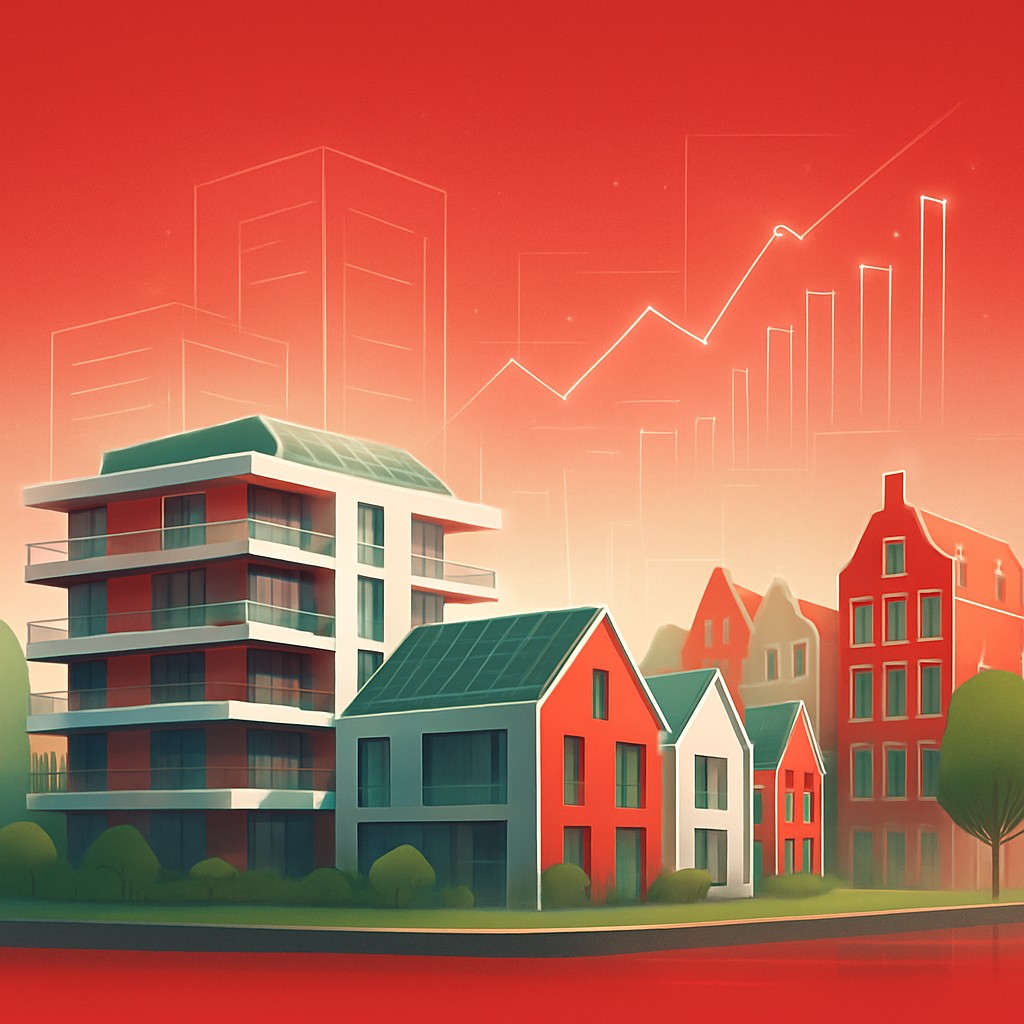
Building the Homes of the Future
The Netherlands faces both significant housing demand and a strong tradition of innovative urban planning, making its residential real estate development sector particularly dynamic. Dutch developers are renowned for combining architectural creativity, sustainability, and efficient use of limited space. In a country where land is precious and design standards are high, residential developers play a pivotal role in shaping liveable, future-ready communities.
From large-scale urban regeneration projects to thoughtfully designed neighbourhoods, the country's leading developers balance commercial viability with social and environmental responsibility. Their work directly influences quality of life for residents across the nation's cities and towns.
What Defines a Leading Developer
The best residential developers in the Netherlands are distinguished by their design quality, reliability, and commitment to sustainability. Successful projects demonstrate thoughtful planning, attention to community needs, and high construction standards. Leading developers manage complex projects effectively, delivering on time and to specification while maintaining strong relationships with municipalities, residents, and stakeholders.
A forward-looking approach to sustainability is increasingly essential. Energy efficiency, environmentally responsible materials, and climate adaptation are now central considerations. Developers who integrate these principles thoughtfully are well positioned to meet evolving regulatory requirements and buyer expectations.
Notable Developers in the Sector
The Dutch residential development landscape features several prominent companies. BPD, formerly known as Bouwfonds Property Development, is one of the largest area developers in the country, with a long history of delivering residential neighbourhoods and a strong focus on community building. Heijmans is a well-established firm combining property development with construction expertise, known for innovative and sustainable housing concepts.
VolkerWessels and Dura Vermeer are major players with significant residential portfolios, contributing to large-scale housing and urban development projects. AM, part of a larger construction group, is recognised for its emphasis on liveability and quality of place. Together, these companies shape much of the country's residential built environment.
Sustainability at the Forefront
Sustainability is a defining feature of contemporary Dutch residential development. The country has ambitious environmental goals, and developers are central to achieving them. Energy-efficient homes, often built to high insulation standards and incorporating renewable energy, are increasingly the norm. Gas-free construction, heat pumps, and solar integration reflect the shift towards low-carbon living.
Beyond energy, developers consider circular construction principles, water management, and biodiversity. Climate adaptation, including measures to manage flooding and heat in a low-lying country, is woven into modern projects. This holistic approach to sustainability sets Dutch residential development apart on the international stage.
Innovative Design and Liveability
Dutch developers are celebrated for innovative design that maximises liveability within limited space. Mixed-use neighbourhoods, integrating housing with green spaces, amenities, and transport links, create vibrant, walkable communities. Architectural creativity is highly valued, with developments often featuring distinctive, contemporary design.
Liveability extends to social considerations. Leading developers create diverse neighbourhoods accommodating different household types and income levels, fostering inclusive communities. Access to nature, cycling infrastructure, and communal spaces reflects the Dutch understanding that good housing is about more than buildings alone.
Navigating Housing Demand
The Netherlands faces considerable pressure to deliver new homes, and developers operate within a complex environment of regulation, land scarcity, and shifting market conditions. The most successful companies navigate these challenges through collaboration with government, efficient project delivery, and adaptable design strategies.
Urban densification, transformation of existing buildings, and development on challenging sites are common responses to land constraints. Developers who can deliver quality housing efficiently while respecting community and environmental priorities are highly valued in this demanding market.
Choosing a Developer or Development
For prospective buyers, evaluating a residential development involves considering the developer's reputation, build quality, sustainability credentials, and the overall vision for the neighbourhood. Track record matters, as established developers offer reassurance regarding reliability and quality.
Buyers should also consider location, amenities, energy performance, and the long-term liveability of a development. A well-designed home in a thoughtfully planned community offers lasting value, both financially and in terms of quality of life.
Conclusion
Residential real estate development in the Netherlands exemplifies a thoughtful balance of innovation, sustainability, and community focus. Through established developers such as BPD, Heijmans, VolkerWessels, Dura Vermeer, and AM, the country continues to deliver high-quality, future-ready homes. Guided by ambitious environmental goals and a strong design tradition, the country's leading developers are building neighbourhoods that meet today's needs while preparing for the challenges of tomorrow.
