
Norway's Leadership in Renewable Energy
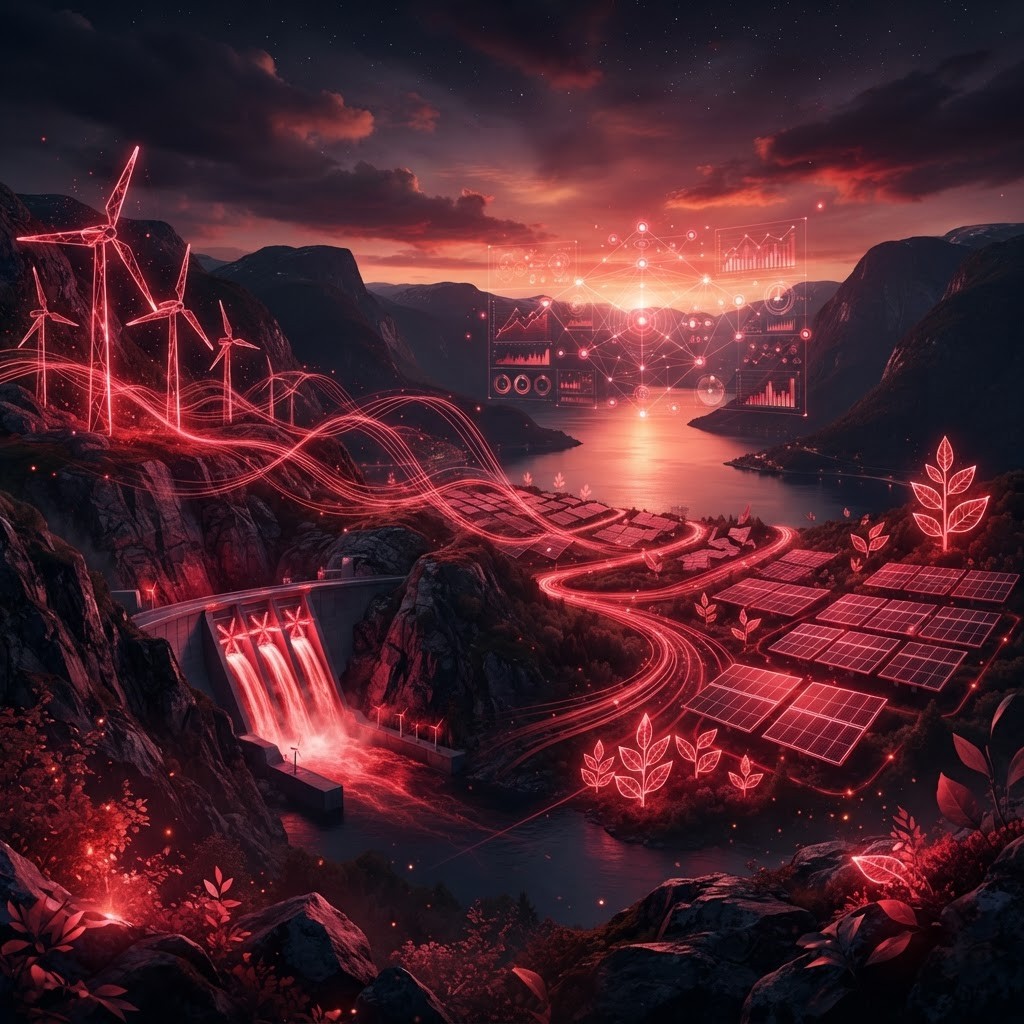
Norway stands among the world's leaders in renewable energy, with the vast majority of its electricity generated from clean sources. Blessed with abundant water resources, the country built a formidable hydropower system that has powered homes and industry for generations. Today, Norway is expanding into wind, solar, and innovative technologies, reinforcing its commitment to sustainability and its ambition to lead the global energy transition.
The best renewable energy companies in Norway combine deep engineering expertise with a strong environmental ethos. They develop, operate, and invest in clean energy projects both domestically and internationally, contributing to a low-carbon future while delivering reliable and competitive power. Their work reflects the values and natural advantages that make Norway a renewable energy powerhouse.
The Foundation of Hydropower
Hydropower is the cornerstone of Norway's renewable energy system. The country's mountainous terrain and plentiful rainfall create ideal conditions for hydroelectric generation, and decades of investment have produced a sophisticated network of plants and reservoirs. This foundation provides clean, flexible, and dependable electricity that underpins the entire energy system.
Companies such as Statkraft, one of Europe's largest generators of renewable energy, have built their reputations on hydropower expertise. Hafslund and other regional producers also play significant roles in generating and distributing clean electricity. This established base of hydropower gives Norway a unique advantage as it integrates newer renewable technologies into its energy mix.
Expanding Into Wind and Solar
While hydropower remains dominant, Norway is increasingly developing wind and solar resources. Onshore and offshore wind projects harness the country's strong and consistent winds, while solar installations are growing as technology improves and costs decline. These additions diversify the energy supply and support continued decarbonization.
Companies including Equinor, which is expanding its renewable portfolio, and specialized developers are investing in wind energy both in Norway and abroad. Scatec is a notable Norwegian company recognized for developing solar power projects internationally. Together, these firms demonstrate how Norwegian expertise is being applied to a broader range of clean energy technologies.
Innovation and Emerging Technologies
Norway's renewable energy sector is also a hub for innovation. Companies are exploring green hydrogen, energy storage, and carbon capture as part of a comprehensive approach to decarbonization. These emerging technologies hold the potential to address challenges such as energy storage and the reduction of emissions in hard-to-abate sectors.
Research institutions, established energy companies, and startups collaborate to advance these solutions. Norway's strong tradition of engineering excellence, particularly from its offshore energy heritage, provides valuable knowledge that supports innovation in renewables. This forward-looking mindset positions the country to remain at the cutting edge of the clean energy transition.
The Role of Renewable Energy in the Economy
Renewable energy is not only an environmental priority but also an economic opportunity for Norway. Clean electricity supports energy-intensive industries, attracts investment, and creates skilled jobs. The export of expertise and, in some cases, power to neighboring countries further enhances the sector's economic contribution.
Norwegian companies are increasingly active in international markets, developing renewable projects across Europe, the Americas, Africa, and Asia. This global reach reflects both the strength of Norwegian expertise and the worldwide demand for clean energy solutions. As economies transition away from fossil fuels, Norway's renewable energy companies are well positioned to play a leading role.
Sustainability and Environmental Responsibility
Environmental responsibility is central to the mission of Norway's renewable energy companies. Beyond generating clean power, these firms strive to minimize the environmental impact of their operations and to develop projects in harmony with local communities and ecosystems. This commitment reflects Norway's broader values and its dedication to protecting its remarkable natural environment.
Sustainability also drives innovation, as companies seek more efficient and less intrusive ways to generate and store energy. The integration of environmental considerations into business strategy has become a defining feature of the sector, aligning commercial success with the imperative of protecting the planet for future generations.
Community engagement is an important part of this responsibility. Renewable projects often interact with local landscapes, industries, and populations, and leading companies prioritize open dialogue and shared benefit. By listening to communities, respecting indigenous rights, and contributing to local development, they build the social trust that underpins the long-term success of the energy transition in Norway and abroad.
Choosing a Renewable Energy Partner
For investors, businesses, and communities, choosing the right renewable energy partner involves considering a company's track record, technical expertise, financial strength, and commitment to sustainability. Leading firms demonstrate a proven ability to deliver reliable projects while upholding high environmental and social standards.
The best renewable energy companies act as long-term partners in the transition to clean power, bringing both capability and vision. Their contributions extend beyond individual projects to the broader goal of building a sustainable and resilient energy future.
Conclusion
Norway's top renewable energy companies are driving one of the world's most successful clean energy systems. Building on a foundation of hydropower and expanding into wind, solar, and innovative technologies, they combine expertise with environmental responsibility. As the world accelerates toward a sustainable future, these companies stand as leaders and partners in the global energy transition.
