
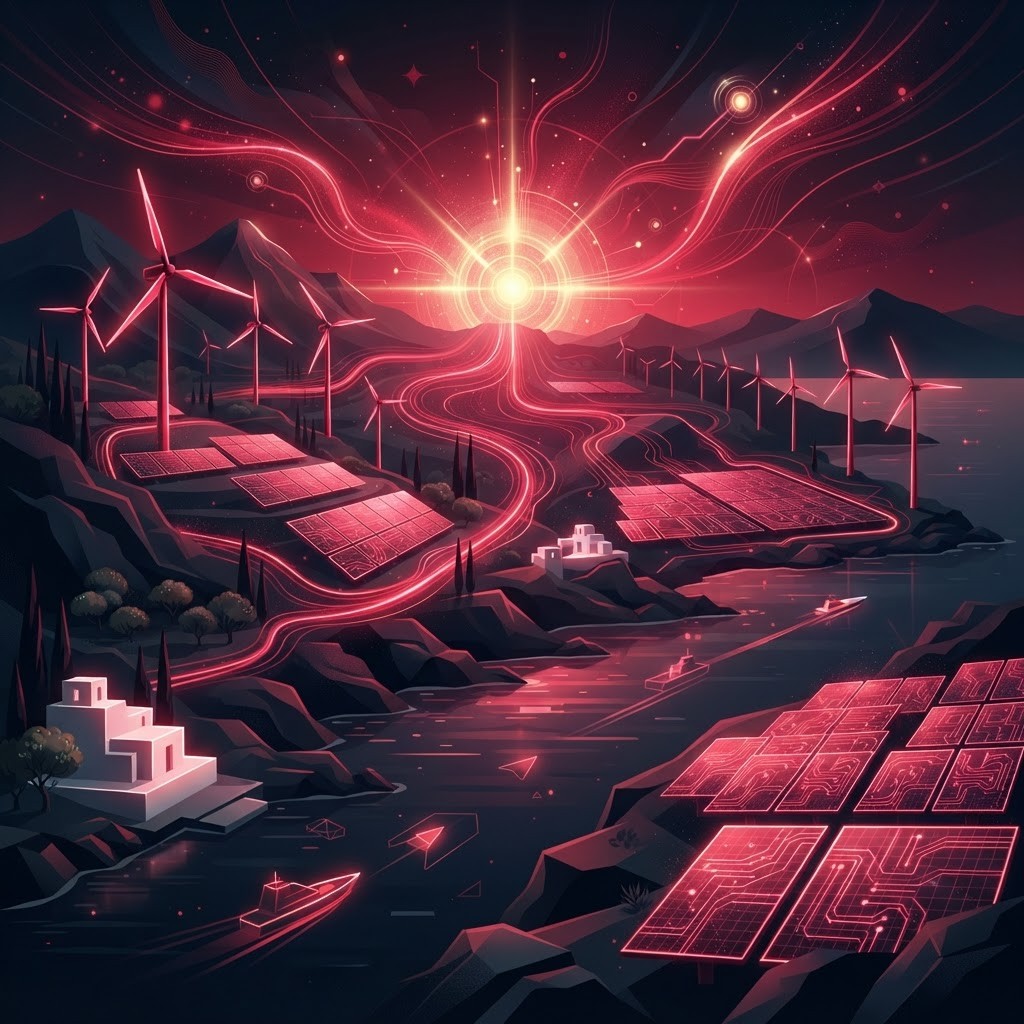
Greece's Renewable Energy Revolution
Greece is undergoing a remarkable transformation in its energy sector, shifting rapidly from fossil fuels toward renewable sources. Blessed with abundant sunshine, strong winds, and a long coastline, the country has become one of Europe's most promising markets for clean energy. The best renewable energy companies in Greece are leading this transition, developing projects that reduce emissions, enhance energy security, and support economic growth.
The Greek government has set ambitious targets for renewable energy as part of its national energy and climate plan, aiming to phase out lignite and dramatically increase the share of renewables in the energy mix. This policy support, combined with falling technology costs and strong investor interest, has created a dynamic environment where renewable energy companies are thriving and innovating.
The Renewable Energy Landscape
Greece's renewable energy sector encompasses solar photovoltaics, onshore and offshore wind, hydropower, biomass, and emerging technologies such as energy storage and green hydrogen. Solar and wind dominate new capacity additions, taking advantage of the country's exceptional natural resources. Companies operate across the value chain, from project development and financing to construction, operation, and maintenance.
The sector includes large domestic energy groups, international developers, and specialized independent power producers. Together, they are building the infrastructure that will power Greece's sustainable future, connecting renewable generation to the grid and supplying clean electricity to homes and businesses across the country.
Leading Companies in the Sector
Several companies stand out as leaders in Greek renewable energy. Terna Energy, part of the GEK Terna group, is one of the largest renewable developers in Greece, with an extensive portfolio of wind and solar projects. Mytilineos, through its renewables and energy division, has become a major force, developing utility-scale solar and hybrid projects domestically and internationally.
Public Power Corporation, historically the dominant utility, has pivoted strongly toward renewables through its PPC Renewables arm. Other prominent players include HELLENiQ Energy, which is expanding its clean energy footprint, and international developers who have invested heavily in the Greek market. These companies combine financial strength, technical expertise, and a commitment to sustainability.
Innovation and Technology
Innovation is central to the success of Greece's renewable energy companies. Advances in solar panel efficiency, wind turbine technology, and energy storage are enabling projects that are more productive and cost-effective than ever before. Hybrid projects that combine generation with storage are becoming increasingly common, improving grid stability and reliability.
Green hydrogen is emerging as a promising frontier, with several companies exploring projects that use renewable electricity to produce clean fuel. Digital technologies, including smart grids and advanced monitoring systems, are enhancing the efficiency of renewable operations. By embracing innovation, leading companies are positioning Greece at the cutting edge of the energy transition.
Economic and Environmental Benefits
The growth of renewable energy delivers substantial benefits for Greece. Environmentally, it reduces greenhouse gas emissions and air pollution, helping the country meet its climate commitments and improve public health. The transition away from lignite mining and coal-fired power plants marks a significant step toward sustainability.
Economically, the renewable sector attracts investment, creates jobs, and enhances energy security by reducing dependence on imported fuels. Rural and island communities benefit from new infrastructure and local economic activity. As renewable energy becomes cheaper than fossil alternatives, it also helps stabilize electricity prices, benefiting consumers and businesses alike.
Challenges on the Path Forward
Despite impressive progress, the renewable energy sector faces challenges. Grid infrastructure must be upgraded and expanded to accommodate growing renewable capacity and to connect remote and island regions. Permitting and licensing processes, while improving, can still create delays for project developers.
Integrating variable renewable sources requires investment in storage and grid flexibility to ensure reliable supply. Community engagement and careful siting of projects are also important to balance development with environmental and social considerations. Leading companies are addressing these challenges through innovation, collaboration, and responsible practices.
The Future of Renewables in Greece
The outlook for renewable energy in Greece is exceptionally bright. Continued policy support, technological advances, and strong investor confidence are driving rapid growth. Offshore wind, energy storage, and green hydrogen represent significant opportunities for the next phase of development. As Greece pursues its goal of climate neutrality, renewable energy companies will remain at the heart of the transformation.
These companies are not only powering the nation but also contributing to Europe's broader energy transition and positioning Greece as a regional clean energy hub. Their vision and execution are shaping a more sustainable and prosperous future.
Conclusion
The best renewable energy companies in Greece are driving a historic transition toward a clean, sustainable energy system. Through innovation, investment, and commitment to sustainability, they are reducing emissions, creating jobs, and enhancing energy security. As Greece continues its journey toward a low-carbon future, these pioneering companies will play an essential role in powering the nation responsibly and reliably.
