
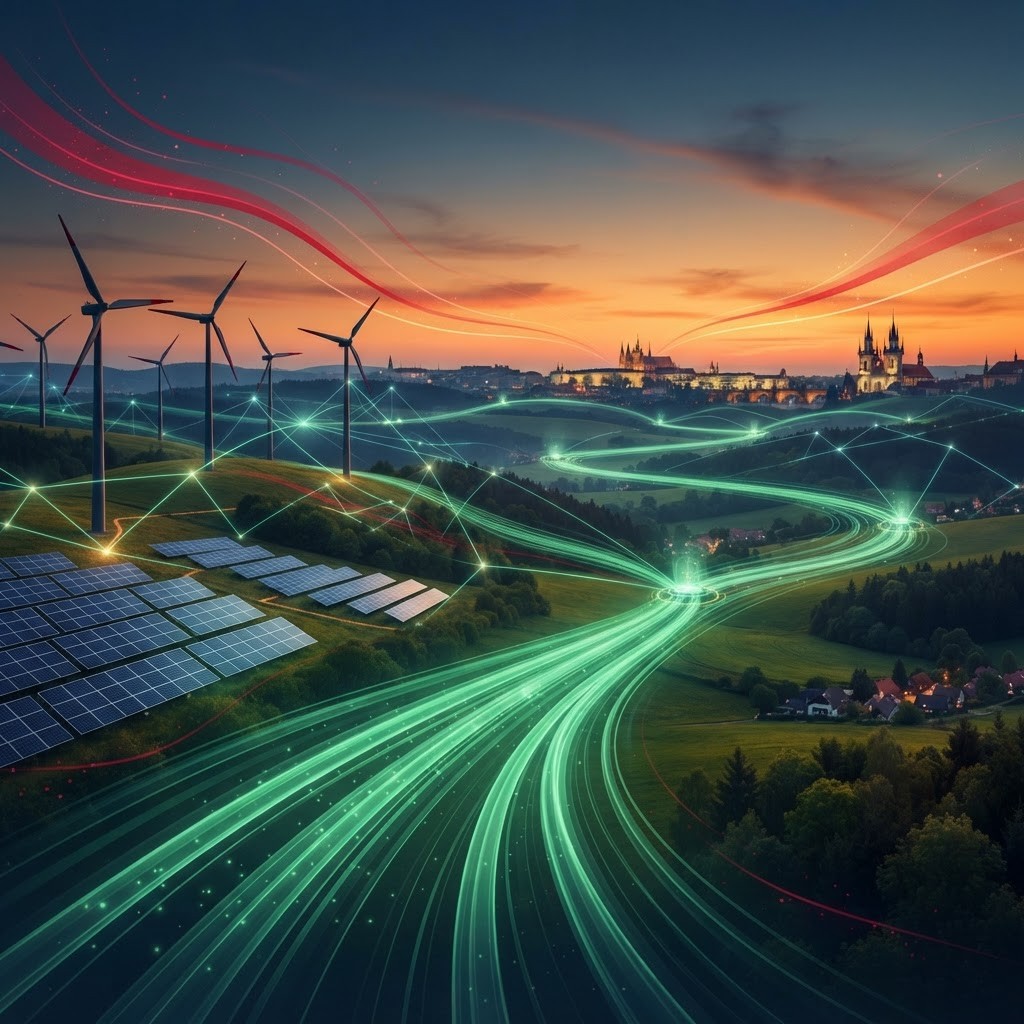
The Renewable Energy Transition in the Czech Republic
The Czech Republic is undergoing a significant transformation in its energy sector, moving steadily away from its historical reliance on coal toward a more sustainable and diversified energy mix. Driven by European Union climate targets, rising environmental awareness, and the economic logic of clean power, renewable energy has become a central pillar of the country's future. A growing number of companies are leading this transition, developing wind, solar, biomass, and other renewable sources.
Renewable energy offers the Czech Republic a path to greater energy security, reduced emissions, and long-term economic opportunity. As technology improves and costs decline, clean energy is becoming increasingly competitive, attracting investment and innovation across the country.
Why Renewable Energy Matters
The shift to renewables addresses several pressing challenges. It reduces greenhouse gas emissions and air pollution, contributing to climate goals and public health. It enhances energy independence by reducing reliance on imported fossil fuels. It also creates jobs, stimulates investment, and positions the country to benefit from the global clean energy economy. For businesses, renewable energy increasingly offers cost stability and supports sustainability commitments.
The Top 10 Renewable Energy Companies
1. CEZ Group is the largest energy company in the Czech Republic and a major driver of the renewable transition, investing heavily in solar, wind, and other clean technologies.
2. Solek Group is a prominent developer of solar power projects, active both domestically and internationally, known for its expertise in photovoltaic development.
3. Photon Energy specialises in solar power solutions and energy services, delivering projects and technology across multiple markets from its Czech roots.
4. Decci focuses on renewable and decentralised energy solutions, supporting the integration of clean power into the grid.
5. ENERGO-PRO is a significant player in hydropower and renewable generation, with substantial expertise in sustainable energy infrastructure.
6. Veolia Energie Czech Republic invests in biomass and efficient energy solutions, helping decarbonise heating and industrial energy use.
7. E.ON Energie Czech Republic supports the transition with renewable offerings, energy services, and smart energy solutions for customers.
8. Solar Global develops and operates solar power plants, contributing significantly to the country's photovoltaic capacity.
9. Nano Energies is an innovative company focused on green electricity supply and flexible, decentralised energy solutions.
10. Green Energy Czech completes the list as a developer committed to expanding clean energy generation and sustainability projects.
Key Renewable Energy Sources
Solar power has become one of the fastest-growing renewable sources in the Czech Republic, supported by falling costs and improving technology. Rooftop and utility-scale installations are expanding as businesses and households embrace clean generation. Biomass plays an important role, particularly in heating, utilising organic materials to produce sustainable energy.
Hydropower contributes a stable share of renewable generation, while wind energy, though more limited by geography, continues to develop in suitable regions. Together, these sources form a diversified renewable portfolio that strengthens the country's energy resilience.
Trends Shaping the Sector
Several trends are accelerating the renewable transition. European Union climate policy and funding are driving investment and setting ambitious targets. Energy storage technology is advancing, addressing the intermittency of solar and wind. Decentralised and community energy models are gaining traction, empowering consumers to generate and manage their own power. Corporate demand for green energy is also rising as companies pursue sustainability goals.
Choosing a Renewable Energy Partner
For businesses and investors, selecting the right renewable energy partner depends on project scale, technology, and objectives. Established utilities offer stability and comprehensive services, while specialised developers bring focused expertise in solar, biomass, or other sources. Key considerations include track record, technical capability, and commitment to long-term sustainability.
Overcoming Challenges on the Path to Clean Energy
While the momentum behind renewables is strong, the transition is not without challenges. Grid modernisation is essential to accommodate the variable nature of solar and wind generation, requiring investment in infrastructure and smart management systems. Permitting and regulatory processes can be complex, and streamlining them remains a priority for accelerating deployment. Balancing the phase-out of coal with reliable, affordable energy supply also demands careful planning and coordination.
The leading renewable energy companies are addressing these challenges through innovation and collaboration. Investment in energy storage, digital grid technologies, and hybrid projects that combine multiple renewable sources is helping to improve reliability and efficiency. Partnerships between utilities, developers, municipalities, and businesses are creating integrated solutions that benefit the whole energy system. This spirit of cooperation and forward thinking is essential to realising the country's clean energy ambitions and ensuring a smooth, sustainable transition.
Conclusion
The renewable energy sector in the Czech Republic is expanding rapidly, driven by environmental necessity and economic opportunity. The companies highlighted here are at the forefront of this transformation, building a cleaner and more secure energy future for the country. As Czechia continues its transition, these leaders will play a vital role in shaping a sustainable energy landscape for generations to come.
