
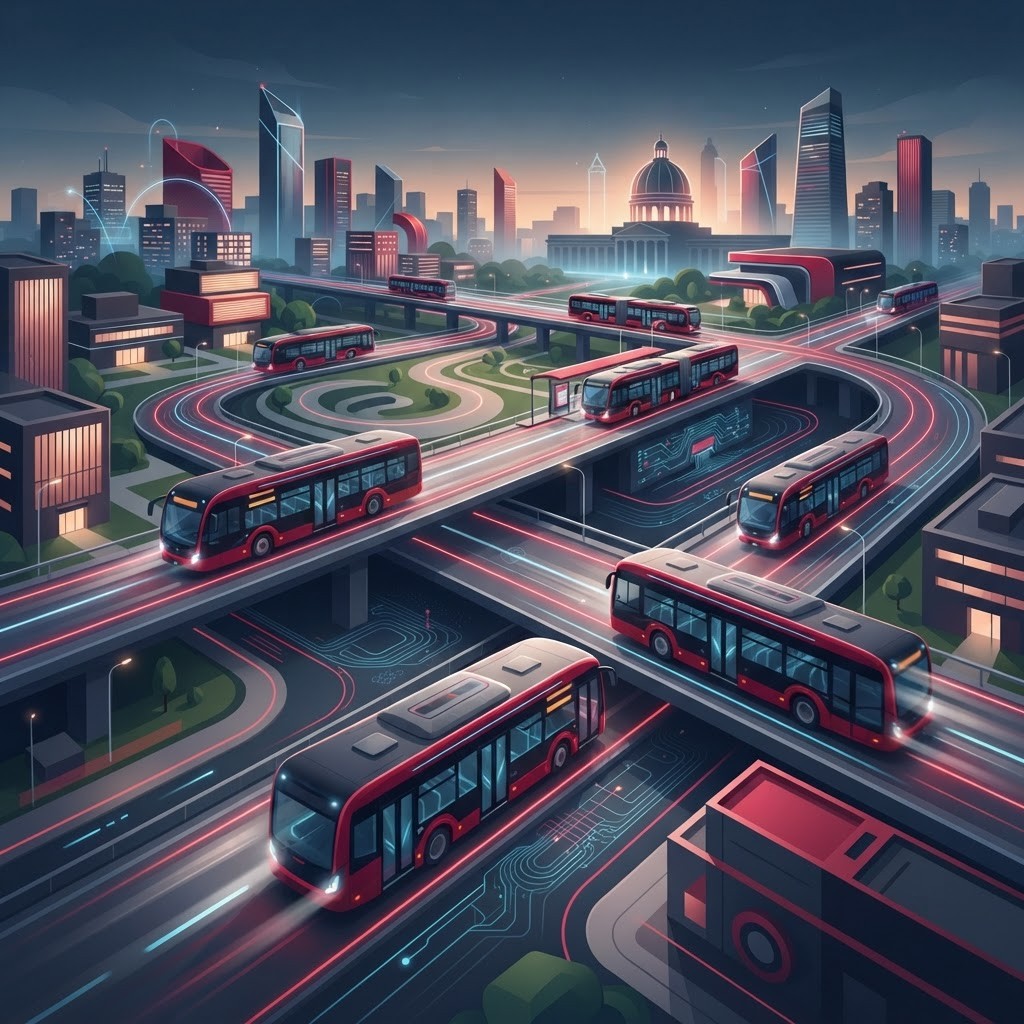
Understanding Public Transit in Paraguay
Public transit remains the backbone of daily mobility for millions of Paraguayans, connecting bustling neighborhoods in Asunción with the wider metropolitan area and linking rural communities to major urban centers. As the country continues to modernize, its transit ecosystem has evolved from an informal network of privately operated buses into a more structured, technology-driven system. Understanding the operators and services that lead this transformation offers valuable insight into how Paraguay is building a more connected future.
The demand for reliable, affordable transportation has never been higher. Rapid urbanization, a growing middle class, and increasing environmental awareness have all pushed transit providers to raise their standards. Today, the best services combine punctuality, safety, and accessibility with digital innovations such as electronic fare cards and real-time tracking.
What Defines a Leading Transit Service
The strongest transit operators in Paraguay share several defining characteristics. Reliability is paramount, with dependable schedules that commuters can plan their lives around. Fleet quality also matters, as modern, well-maintained vehicles improve both comfort and safety. Beyond the basics, leading providers invest in customer experience through clean stations, courteous staff, and transparent pricing.
Technology has become a powerful differentiator. Contactless payment systems, mobile apps, and GPS-enabled fleet management allow riders to travel with greater confidence and convenience. Operators embracing these tools consistently earn stronger reputations among daily commuters.
The Rise of the Billetaje Electrónico System
One of the most significant developments in Paraguayan transit has been the adoption of the electronic ticketing system, widely known as Billetaje Electrónico. This unified fare platform allows passengers to use rechargeable cards across participating bus lines, reducing cash handling and streamlining boarding. The system has improved transparency, minimized fare disputes, and generated valuable ridership data that operators use to optimize routes.
Companies that fully integrated this technology have positioned themselves as forward-thinking leaders. The transition reflects a broader national push toward digital modernization within the transport sector.
Leading Transit Operators to Know
Several bus companies and cooperatives have earned recognition for their service quality across the Asunción metropolitan region. Empresa Vanguardia is frequently cited for its extensive route coverage and commitment to maintaining a modern fleet. Transporte Línea 30 has built a loyal following among commuters traveling between Asunción and surrounding cities like San Lorenzo and Luque, thanks to its consistent frequency.
Ciudad de Asunción and Empresa San Lorenzo are also well regarded for connecting key residential and commercial districts. For intercity and long-distance travel, operators such as Nuestra Señora de la Asunción (NSA) and La Encarnacena provide comfortable coaches linking Asunción with Ciudad del Este, Encarnación, and other regional hubs. These companies have invested in higher-tier services featuring air conditioning, reclining seats, and onboard amenities for longer journeys.
Intercity Travel and Regional Connections
Paraguay's geography makes intercity transit especially important. The Terminal de Ómnibus de Asunción serves as the central hub where dozens of operators converge, offering departures to destinations throughout the country and across borders into Argentina and Brazil. Premium operators differentiate themselves with executive-class coaches, offering travelers a smoother experience on routes that can span several hours.
This regional network plays a critical economic role, enabling commerce, tourism, and family connections across a country where car ownership, while rising, is not yet universal.
Trends Shaping the Future of Paraguayan Transit
Sustainability is emerging as a defining theme. Discussions around electric buses and cleaner fuel standards signal a gradual shift toward greener mobility. As global manufacturers expand into Latin American markets, Paraguay stands to benefit from more efficient, lower-emission vehicles in the coming years.
Digital integration will continue to accelerate. Real-time arrival information, integrated mobile ticketing, and data-driven route planning are becoming standard expectations rather than luxuries. Operators that embrace these innovations will strengthen ridership and public trust.
Urban planning improvements, including dedicated bus lanes and upgraded terminals, also promise to reduce congestion and improve travel times in Asunción. These infrastructure investments complement the efforts of individual operators, creating a more cohesive transit experience.
Choosing the Right Transit Service
For residents and visitors alike, selecting the right transit option depends on individual needs. Daily commuters may prioritize frequency and electronic payment compatibility, while long-distance travelers often value comfort and safety features. Reviewing route coverage, service reputation, and available amenities helps riders make informed decisions.
Ultimately, the best public transit services in Paraguay are those that balance affordability with reliability while embracing the technology that defines modern mobility. As the sector continues to evolve, these operators are helping to shape a more accessible, efficient, and sustainable transportation landscape for the entire nation.
Conclusion
Paraguay's public transit sector reflects a country in transition, blending long-established operators with modern innovation. From the widespread adoption of electronic ticketing to the expansion of comfortable intercity coaches, the leading services are setting new benchmarks for quality. As investment in infrastructure and sustainable technology grows, riders can look forward to an increasingly seamless and dependable transit experience across Paraguay.
