
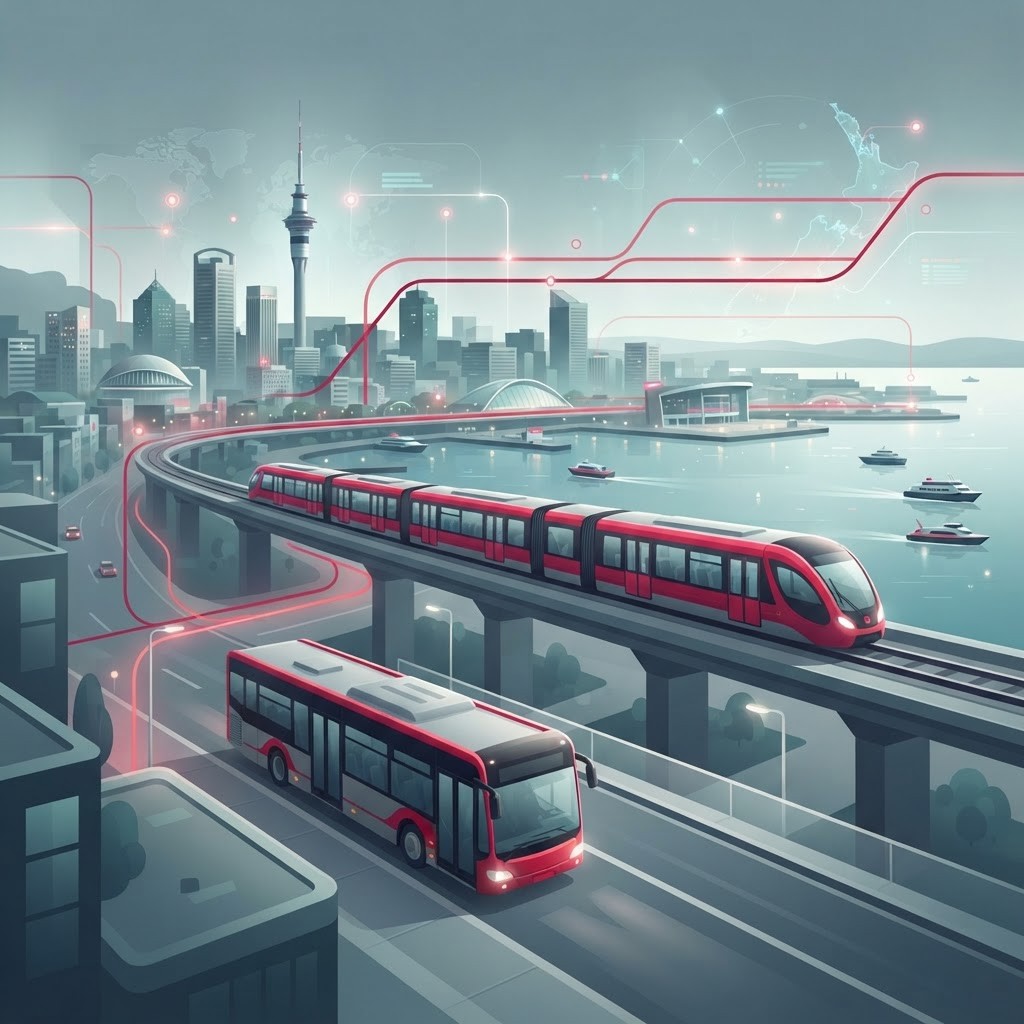
The Value of Public Transit in New Zealand
Public transport plays a vital role in keeping New Zealand's growing cities functional, affordable, and sustainable. As urban populations expand in Auckland, Wellington, Christchurch, and beyond, well-run transit systems help ease traffic congestion, reduce emissions, and provide accessible mobility for people of all ages and incomes. From commuter trains and city buses to scenic ferries, public transit connects communities and supports a lower-carbon future.
What Makes a Transit Service Excellent
The best public transit services combine frequency, reliability, and coverage with modern conveniences such as integrated ticketing, real-time arrival information, and accessible vehicles. Affordability and ease of use encourage more people to leave their cars at home, while clean, safe, and comfortable services build long-term ridership. Increasingly, transit agencies are also prioritising sustainability through electric and low-emission fleets.
The Leading Public Transit Services
Auckland Transport (AT) operates the country's largest integrated network, spanning buses, trains, and ferries across the Auckland region. Its AT HOP card and expanding rail services make it a central pillar of urban mobility.
Metlink serves the Wellington region with an integrated system of trains, buses, and harbour ferries, well regarded for its extensive commuter rail network and Snapper ticketing.
Environment Canterbury (Metro) runs Christchurch's bus network, offering broad coverage and a modern fleet that supports the city's ongoing growth and rebuild.
Otago Regional Council (Orbus) provides bus services in Dunedin and Queenstown, with affordable fares that have helped boost ridership in these southern centres.
Waikato Regional Council (BUSIT) connects Hamilton and the wider Waikato region, supporting one of the country's fastest-growing urban areas.
Bay of Plenty (Baybus) serves Tauranga and Rotorua with regional bus networks that link busy centres and surrounding communities.
Nelson (eBus) stands out for its fully electric bus fleet, a leading example of sustainable public transport in a smaller New Zealand city.
Fullers360 operates key Auckland harbour ferry routes, combining practical commuting with some of the most scenic transit journeys in the country.
KiwiRail (Interislander) provides essential ferry connections across Cook Strait, linking the North and South Islands for both passengers and vehicles.
Tranzit Group is a major private operator running bus services under contract across multiple regions, known for reliable operations and a growing low-emission fleet.
Industry Trends and Innovations
New Zealand's public transport sector is undergoing significant modernisation. Electrification is a major focus, with cities investing in electric buses and expanding electric rail to cut emissions and improve air quality. Integrated, contactless ticketing is becoming standard, and a national ticketing system is set to simplify travel across different regions.
Real-time apps and digital journey planners now make it easier than ever to navigate networks, check arrival times, and plan multi-mode trips. Government investment in public transport infrastructure reflects a broader push to encourage sustainable travel and reduce car dependency.
Getting the Most from Public Transit
Travellers can maximise convenience by using regional smart cards, downloading official journey-planning apps, and taking advantage of off-peak fares where available. Concession fares for students, seniors, and community service card holders make transit even more affordable for many New Zealanders.
Conclusion
Public transit is essential to New Zealand's urban life, offering an affordable, sustainable, and increasingly modern way to move around its cities and between its islands. The services highlighted here demonstrate the country's commitment to accessible mobility and a greener transport future. As networks continue to expand and electrify, public transport is set to play an even bigger role in connecting communities across the nation.
