
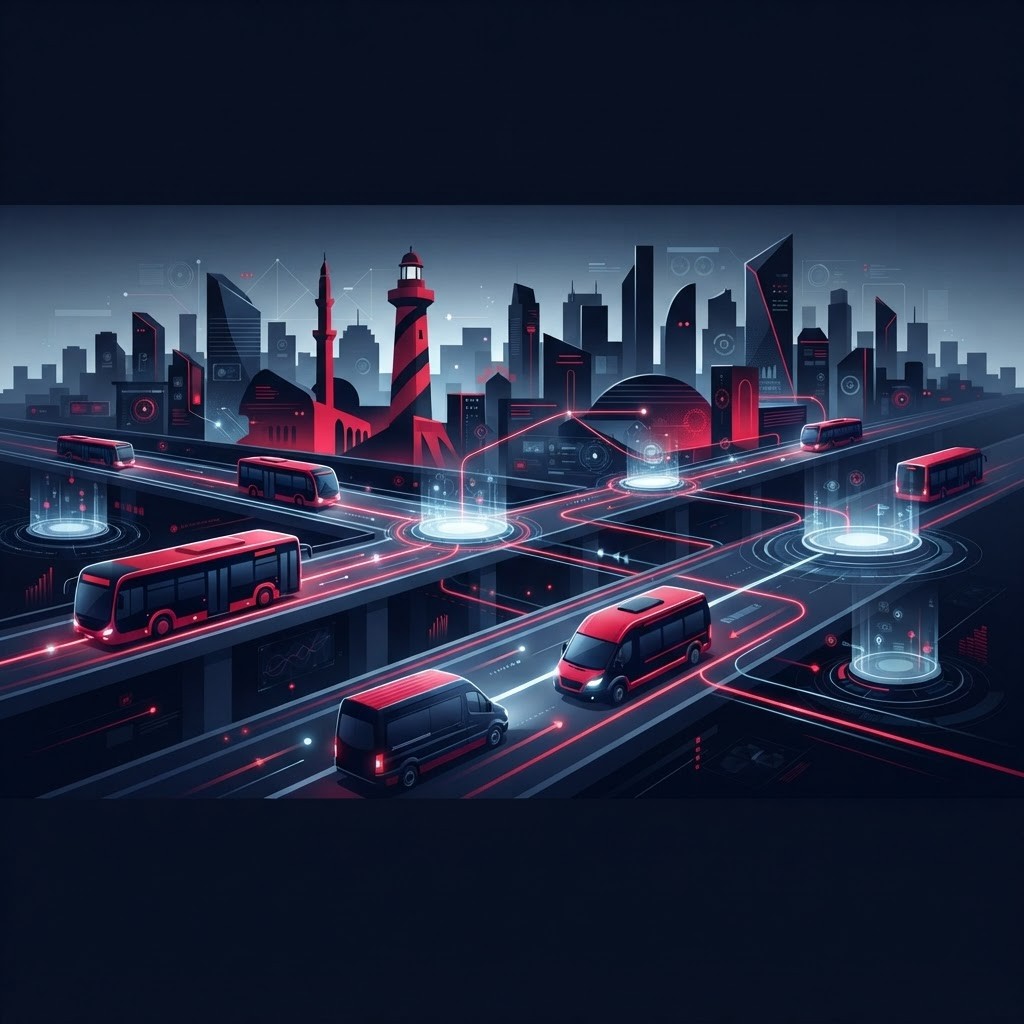
Understanding Public Transit in Lebanon
Public transit is a lifeline for millions of people in Lebanon, connecting cities, towns, and rural communities across the country's varied landscape. From the bustling streets of Beirut to the coastal roads and mountain routes, transit services enable daily commutes, intercity travel, and access to work, education, and essential services. For residents and visitors alike, understanding the available options makes getting around far more manageable.
Lebanon's public transit ecosystem is diverse, encompassing buses, shared vans known locally as service taxis, and organized private operators. While the system has historically been decentralized, a growing focus on modernization and reliable service is reshaping how people move. The best transit providers offer affordability, convenience, and dependable routes that serve the needs of everyday travelers.
What Makes a Transit Service Reliable
Consistency is the cornerstone of quality public transit. Passengers value predictable schedules, well-maintained vehicles, and routes that connect key destinations efficiently. Providers that maintain their fleets and communicate clearly with riders build trust and encourage greater use of public transportation.
Affordability and accessibility also matter greatly. Transit services that offer fair pricing and reach a wide range of neighborhoods make mobility available to more people. As Lebanon continues to develop its transit infrastructure, providers that prioritize safety, comfort, and coverage stand out as leaders in the field.
The Top 10 Public Transit Services in Lebanon
Lebanon Commuting Company (LCC) operates a well-known network of buses serving Beirut and its suburbs, valued for organized routes and consistent service.
Connexion Transport provides intercity bus services linking major cities, praised for comfortable vehicles and reliable schedules.
Zantout Bus Services offers regional and intercity connections, recognized for dependable coverage and experienced operations.
Ahdab Transport serves key routes with organized bus services, earning a reputation for punctuality and rider convenience.
Beirut Bus Network focuses on urban mobility within the capital, helping commuters navigate the city efficiently.
Tripoli Transit Services connects the northern city and surrounding areas, providing essential access for local communities.
OCFTC Railway and Public Transport represents the public authority guiding transit development, playing a role in coordinating services and infrastructure.
Service Taxi Networks remain a widely used shared-ride option, offering flexible, affordable travel along popular routes throughout the country.
Saliba Transport provides organized regional bus services, valued for accessibility and consistent coverage.
Bebbook Mobility rounds out the list as an emerging tech-enabled option, reflecting the growing role of digital tools in Lebanese transit.
The Role of Shared Mobility
Shared vans and service taxis play a uniquely important role in Lebanon's transit landscape. These flexible options fill gaps where fixed bus routes may not reach, offering affordable travel along popular corridors. Their spontaneity and wide availability make them a practical choice for many daily commuters who need quick, direct connections.
While shared mobility offers convenience, the sector is gradually embracing greater organization and reliability. Efforts to formalize routes, improve vehicle standards, and integrate digital booking are helping to enhance the passenger experience and bring more structure to this essential part of the network.
Modernization and the Future of Transit
Lebanon's public transit sector is on the cusp of meaningful change. Investments in modern bus fleets, improved routes, and digital tools are aimed at creating a more efficient and rider-friendly system. These efforts promise to reduce congestion, lower travel costs, and make public transportation a more attractive option for a broader population.
Technology is playing a growing role, with mobile apps and digital payment options beginning to enter the market. As these innovations expand, riders can expect greater convenience, better information, and a smoother overall experience that aligns with modern expectations for urban mobility.
Tips for Using Public Transit in Lebanon
Familiarizing yourself with popular routes and travel times can make navigating Lebanon's transit system much easier. Planning trips during less congested hours, carrying small change for fares, and asking locals for guidance are practical ways to travel smoothly. As digital tools become more available, apps can also help riders find routes and estimate travel times.
Patience and flexibility go a long way when using shared and public transport. Understanding that schedules may vary and being prepared for connecting routes helps travelers reach their destinations with less stress and more confidence.
The Environmental and Economic Benefits
Public transit offers significant benefits beyond convenience, contributing to a cleaner environment and a stronger economy. By reducing the number of private vehicles on the road, transit services help lower emissions, ease traffic congestion, and improve air quality in Lebanon's busy urban centers. These environmental advantages become increasingly important as cities grow and sustainability gains priority.
Economically, affordable public transit expands access to jobs, education, and services for people across all income levels. Reliable transportation connects workers to employment opportunities and students to schools, supporting productivity and social mobility. Investing in public transit therefore delivers wide-ranging benefits that strengthen communities and support long-term development throughout the country.
Conclusion
Public transit remains an essential part of daily life in Lebanon, connecting communities and supporting the country's economy and mobility. The services highlighted here reflect the range of options available, from established bus networks to flexible shared rides and emerging digital solutions. As modernization continues, Lebanon's transit sector is poised to offer even greater reliability and convenience, helping people move through the country with ease.
