
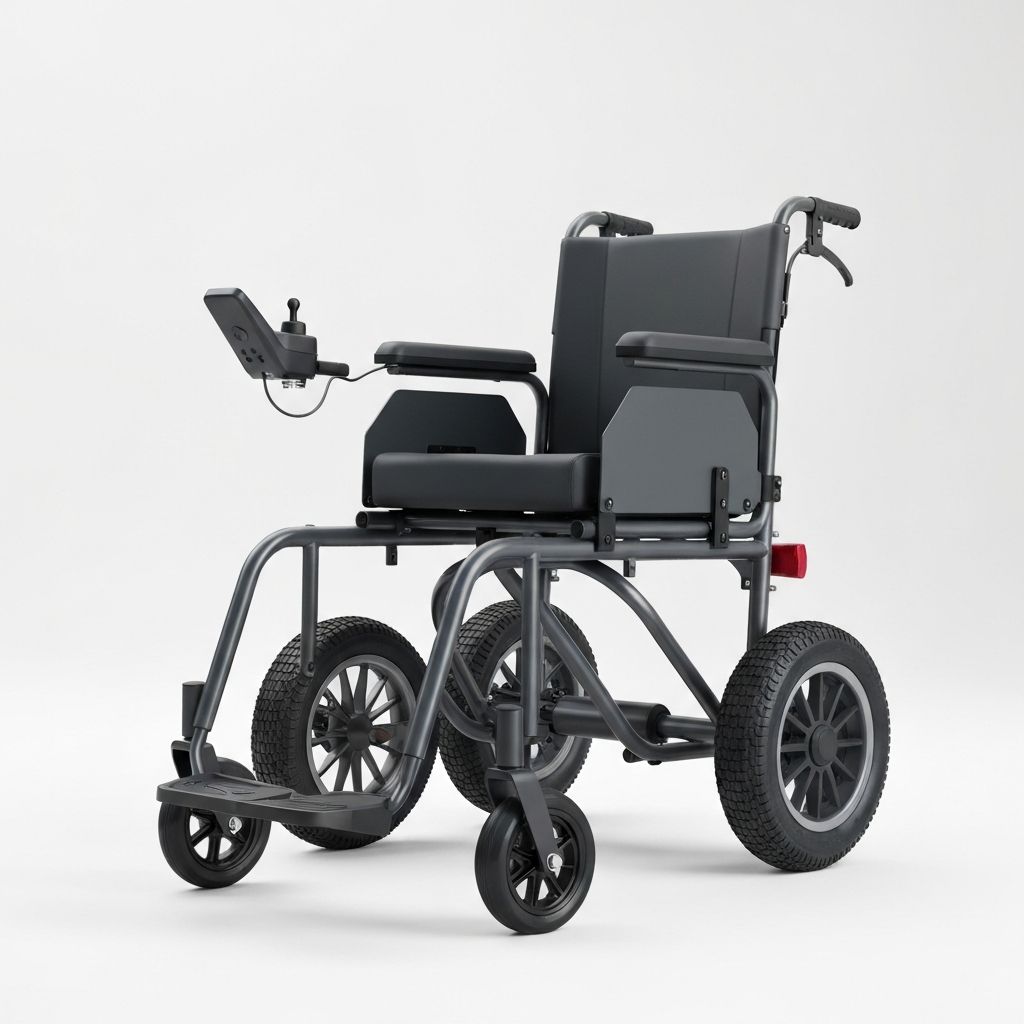
Why Portable Electric Wheelchairs Matter for Larger Users
Mobility is a fundamental aspect of independence and quality of life. For larger individuals who require wheelchair assistance, finding the right portable electric wheelchair can be a transformative experience. The ideal chair must accommodate higher weight capacities while remaining portable enough to transport in a car, take on an airplane, or maneuver through tight spaces. This balance between strength and portability is the central challenge in designing wheelchairs for bigger users.
The market for portable electric wheelchairs has expanded significantly in recent years, with manufacturers developing models that specifically address the needs of larger users. These wheelchairs feature reinforced frames, wider seats, more powerful motors, and longer-lasting batteries compared to standard models. However, navigating the available options can be overwhelming, which is why this comprehensive guide examines the key factors to consider and reviews the top models available.
It is important to note that the term "big man" encompasses a range of body types and sizes. Some users may be tall with a standard weight, while others may carry significant additional weight. The best wheelchair for any individual depends on their specific measurements, mobility needs, lifestyle, and personal preferences. This guide aims to provide the information needed to make an informed decision regardless of your specific situation.
Key Features to Look For
When shopping for a portable electric wheelchair as a larger user, several key features should be at the top of your checklist. Understanding these features will help you narrow down your options and find a chair that truly meets your needs.
Weight capacity is the most critical specification. Standard portable electric wheelchairs typically support 250 to 300 pounds, which is insufficient for many larger users. Look for models rated for 350 to 500 pounds or more. It is advisable to choose a chair with a weight capacity that exceeds your actual weight by at least 50 to 75 pounds to ensure structural integrity and longevity. Operating a wheelchair at or near its maximum capacity can accelerate wear and reduce the chair's lifespan.
Seat width and depth are equally important comfort factors. Standard wheelchair seats are typically 16 to 18 inches wide, which can be uncomfortably narrow for larger users. Look for seats that are 20 to 24 inches wide, and pay attention to the seat depth as well, especially if you have longer legs. Some manufacturers offer adjustable or customizable seat dimensions to ensure a proper fit.
Motor power determines how well the wheelchair performs under load. Larger users need more powerful motors to maintain adequate speed, handle inclines, and provide reliable stopping power. Look for dual motors with combined power of at least 500 watts, though 600 watts or more is preferable for users weighing over 350 pounds. More powerful motors also tend to provide a smoother, more responsive driving experience.
Battery capacity directly affects the range and usability of the wheelchair. Heavier loads drain batteries faster, so larger users should look for chairs with high-capacity lithium-ion batteries that offer a realistic range of at least 10 to 15 miles per charge. Consider models that offer removable or swappable batteries for extended use throughout the day.
Frame Construction and Durability
The frame is the backbone of any wheelchair, and for larger users, frame construction is a critical consideration. The frame must be strong enough to support higher loads while remaining light enough to maintain portability. This requires careful engineering and the use of high-quality materials.
Aircraft-grade aluminum alloy is the most common frame material for high-quality portable electric wheelchairs. This material offers an excellent strength-to-weight ratio, corrosion resistance, and the ability to be formed into complex shapes. Some premium models use carbon fiber or titanium components to further reduce weight without compromising strength.
Steel frames are sometimes used in heavy-duty wheelchairs designed for the highest weight capacities. While steel is heavier than aluminum, it offers superior strength and durability, making it a good choice for users who prioritize load-bearing capacity over portability. Some manufacturers use a hybrid approach, combining a steel core structure with aluminum outer components to balance strength and weight.
Pay attention to the frame's construction details, including weld quality, joint design, and hardware specifications. Look for wheelchairs with reinforced stress points, particularly where the seat meets the frame and where the wheels attach. Double-welded joints, gusseted connections, and high-grade fasteners are all indicators of a well-built frame.
Comfort and Ergonomic Features
Spending extended periods in a wheelchair demands exceptional comfort features, and this is especially true for larger users who may experience increased pressure and fatigue. The following comfort features should be considered when evaluating potential models.
Cushion quality and material are essential for preventing pressure sores and ensuring long-term comfort. Look for wheelchairs with high-density foam or gel cushions that provide adequate support without bottoming out. Memory foam cushions are popular because they conform to the user's body shape, distributing pressure more evenly. Some models offer interchangeable cushion systems that allow you to customize the seating surface to your preferences.
Armrest design affects comfort, posture, and the ease of transfers. Adjustable-height armrests allow you to find the optimal position for your body proportions, reducing shoulder and neck strain. Flip-up or removable armrests facilitate easier transfers in and out of the wheelchair. Look for armrests with adequate padding and a surface material that is comfortable against bare skin.
Backrest support is particularly important for larger users, who may need more lumbar and lateral support than standard backrests provide. Look for adjustable backrests with built-in lumbar support, or consider adding an aftermarket lumbar cushion. Some premium models offer reclining backrests that allow you to change your position throughout the day.
Footrests should be adjustable to accommodate different leg lengths and should be sturdy enough to support larger feet without flexing or bending. Swing-away footrests make transfers easier, and height-adjustable models ensure proper leg positioning for comfort and circulation.
Portability and Transportation
The "portable" in portable electric wheelchair is a crucial feature, but portability can be compromised when the chair needs to be built for larger users. Understanding the trade-offs between size, weight, and portability will help you set realistic expectations.
Foldable designs are the most common approach to portability. These wheelchairs fold down to a more compact size for storage in a car trunk or for air travel. The best foldable models can be collapsed with a single action and unfolded just as easily. When evaluating a foldable wheelchair, check the folded dimensions against the space available in your vehicle and ensure that the folding mechanism is robust enough to withstand repeated use.
Total weight is a practical concern, especially if you need to lift the wheelchair in and out of a vehicle without assistance. Standard portable electric wheelchairs weigh between 40 and 60 pounds, but heavy-duty models designed for larger users can weigh 75 to 100 pounds or more. Some models feature removable batteries and detachable components that allow you to break the chair down into lighter pieces for easier handling.
Airline compatibility is an important consideration for travelers. Many portable electric wheelchairs are designed to comply with airline regulations for carry-on medical devices. However, the larger dimensions and heavier weight of chairs designed for bigger users may not meet all airline requirements. Check with your preferred airlines before purchasing to ensure your chosen model will be accepted.
Top Recommended Models
Several portable electric wheelchair models stand out for their combination of high weight capacity, comfort, and portability. While specific product availability and features may change over time, the following categories of models are worth investigating.
For users up to 350 pounds, there are numerous folding electric wheelchairs that offer a good balance of portability and capacity. These chairs typically feature 20-inch wide seats, dual 250-watt motors, and lithium-ion batteries with a range of 12 to 15 miles. They fold compactly enough to fit in most car trunks and weigh between 50 and 65 pounds.
For users between 350 and 450 pounds, heavy-duty folding wheelchairs with reinforced frames and more powerful motors are required. These models typically feature wider seats of 22 to 24 inches, dual 350-watt motors, and extended-range batteries. They are heavier than standard models, typically weighing 70 to 90 pounds, but many feature detachable components to reduce individual lifting weights.
For users over 450 pounds, bariatric electric wheelchairs are the appropriate choice. These chairs feature the strongest frames, widest seats, and most powerful motors available. While they may sacrifice some portability compared to lighter models, many still fold or disassemble for transportation. Working with a mobility specialist is highly recommended for users in this weight range to ensure proper fit and function.
Making the Right Choice
Choosing the right portable electric wheelchair is a significant decision that affects daily quality of life. Take the time to research options, read user reviews from people with similar body types, and if possible, test-drive multiple models before making a purchase. Many mobility equipment dealers offer trial periods or rental options that allow you to evaluate a wheelchair in real-world conditions before committing to a purchase.
Consulting with a healthcare professional or occupational therapist can also be valuable. These experts can assess your specific mobility needs, take accurate measurements, and recommend chairs that will best support your physical health and lifestyle goals. Insurance coverage for electric wheelchairs varies widely, so check with your provider about what models and features are covered under your plan.
