
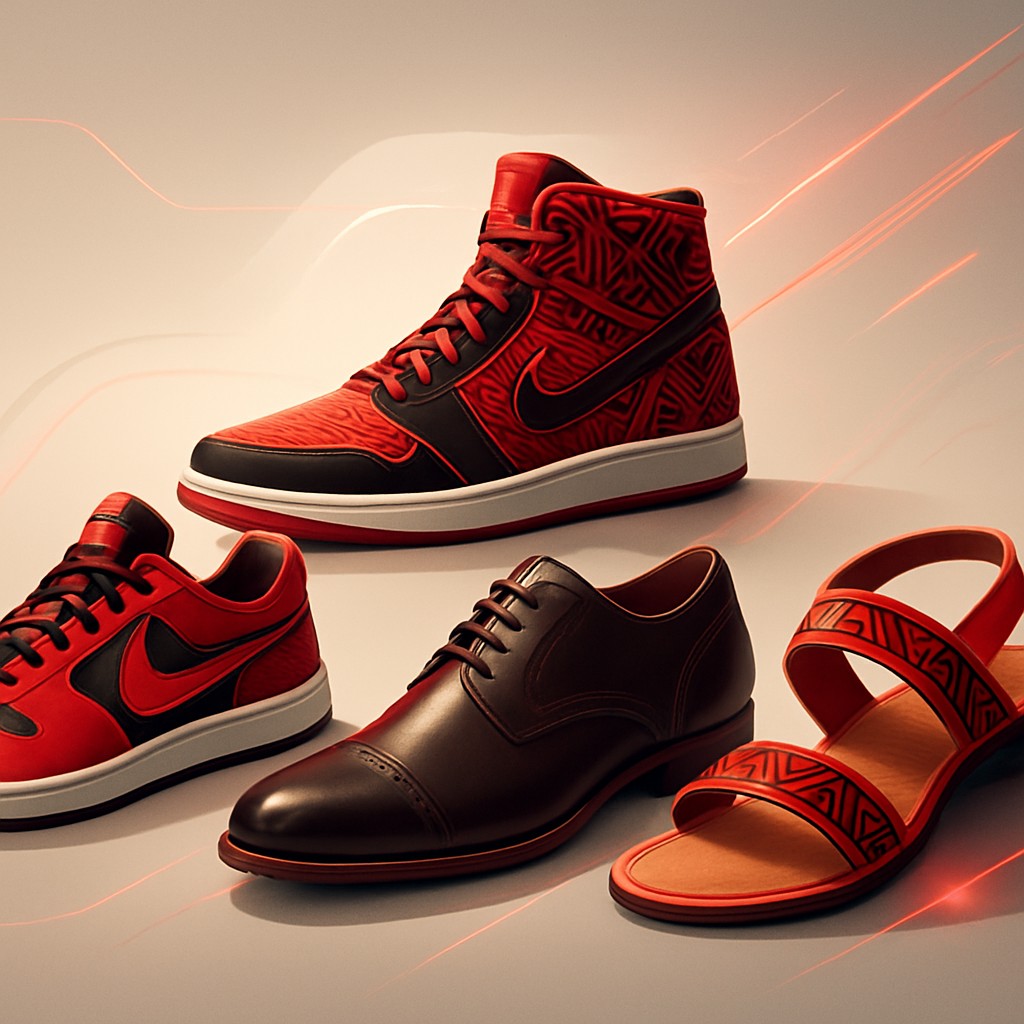
Malawi's Footwear Market at a Glance
Footwear is one of the most essential yet personal purchases a shopper makes, and in Malawi the market has grown to accommodate a wide range of tastes, budgets, and lifestyles. From the busy streets of Blantyre to the markets of Lilongwe and the campuses of Zomba, demand spans rugged work boots, comfortable everyday sandals, smart formal shoes, and athletic sneakers. The result is a footwear sector that balances imported international brands with locally produced and locally retailed options.
Because shoes endure constant wear across varied terrain, durability is a top priority for Malawian buyers. Many shoppers also weigh value carefully, looking for footwear that delivers long-lasting performance without straining the household budget. The brands that thrive in this environment are those that consistently combine quality materials with sensible pricing.
Qualities That Define the Best Footwear Brands
The leading footwear brands in Malawi share several traits. They use durable materials such as genuine and quality synthetic leathers, reinforced soles, and breathable fabrics suited to a warm climate. They offer reliable sizing and comfortable fits, recognising that customers expect shoes to perform from the first wear. Strong after-sales support, including repairs and exchanges, further builds trust.
Style versatility is another differentiator. The best brands cater to multiple occasions, providing formal options for the workplace, casual designs for daily life, and sporty styles for active customers. This breadth allows shoppers to rely on a single trusted name across different needs.
Top Footwear Brands and Retailers
When Malawians discuss dependable footwear, several names consistently emerge. Bata stands out as a household institution, long respected for affordable, durable shoes that serve schoolchildren, workers, and families alike. Its widespread presence and reputation for value make it a cornerstone of the market.
Retail chains such as Edgars and Truworths offer fashionable formal and casual footwear, appealing to professionals and style-conscious shoppers. Mr Price provides trend-driven, budget-friendly shoes for the whole family, while Jet serves customers seeking practical, everyday options at accessible prices.
For athletic and performance footwear, internationally recognised sports brands available through specialist sports retailers meet the needs of runners, footballers, and fitness enthusiasts. Meanwhile, local cobblers and small-scale shoemakers across the country continue to craft and repair leather footwear, offering bespoke and budget-conscious alternatives that keep traditional craftsmanship alive.
The Role of Local Shoemakers
Beyond branded retail, Malawi has a vibrant community of artisanal shoemakers and cobblers. These craftspeople produce handmade sandals, leather shoes, and custom designs, often using locally sourced materials. Their work is especially valued for repairs and resoling, allowing customers to extend the life of beloved footwear rather than replacing it.
This local segment plays an important economic role, supporting livelihoods and preserving skills passed down through generations. For many shoppers, supporting a trusted neighbourhood cobbler is both a practical choice and a way to invest in the local economy.
Trends Shaping Footwear Choices
Several trends are influencing footwear preferences in Malawi. Comfort-focused designs, including cushioned soles and breathable uppers, are increasingly popular as buyers prioritise all-day wearability. Casual sneakers have become a fashion staple among younger consumers, blending sporty function with everyday style.
There is also growing interest in durable, weather-appropriate footwear that can handle both dry and rainy seasons. Value remains paramount, and brands that offer warranties, sturdy construction, and repair-friendly designs enjoy strong loyalty. Online ordering and social media promotion are gradually expanding access to footwear beyond major cities.
How to Choose the Right Footwear Brand
Selecting the best footwear brand depends on your specific needs. For long-lasting everyday and school shoes, established value brands are a dependable choice. Professionals seeking polished formal footwear may prefer fashion retailers known for quality finishes. Active individuals should look to specialist sports retailers for performance-oriented designs.
When choosing, prioritise fit and comfort, inspect the quality of soles and stitching, and consider the availability of repairs. A well-made pair of shoes that can be maintained over time often delivers better value than a cheaper alternative that wears out quickly.
Caring for Your Footwear in Malawi's Climate
Malawi's distinct dry and rainy seasons place particular demands on footwear, making proper care essential for longevity. During the rainy season, exposure to mud and moisture can damage leather and weaken adhesives, so regular cleaning and drying help preserve shoe quality. In the dry season, dust and heat call for occasional conditioning of leather and careful storage away from direct sunlight.
Investing in basic maintenance, such as polishing leather shoes, airing out sneakers, and promptly repairing worn soles, can significantly extend the life of footwear. Many Malawians rely on local cobblers for affordable repairs and resoling, a practical habit that maximises value. Choosing durable, well-constructed footwear from reputable brands, combined with consistent care, ensures comfort and reliability across the changing seasons.
Conclusion
Malawi's footwear market offers something for everyone, from trusted heritage brands and modern retail chains to skilled local cobblers. The best footwear names earn their reputation through durability, comfort, fair pricing, and dependable service. Whether you need sturdy daily shoes, smart formal wear, or athletic footwear, the country's diverse market ensures you can find a brand that fits both your feet and your budget.
