
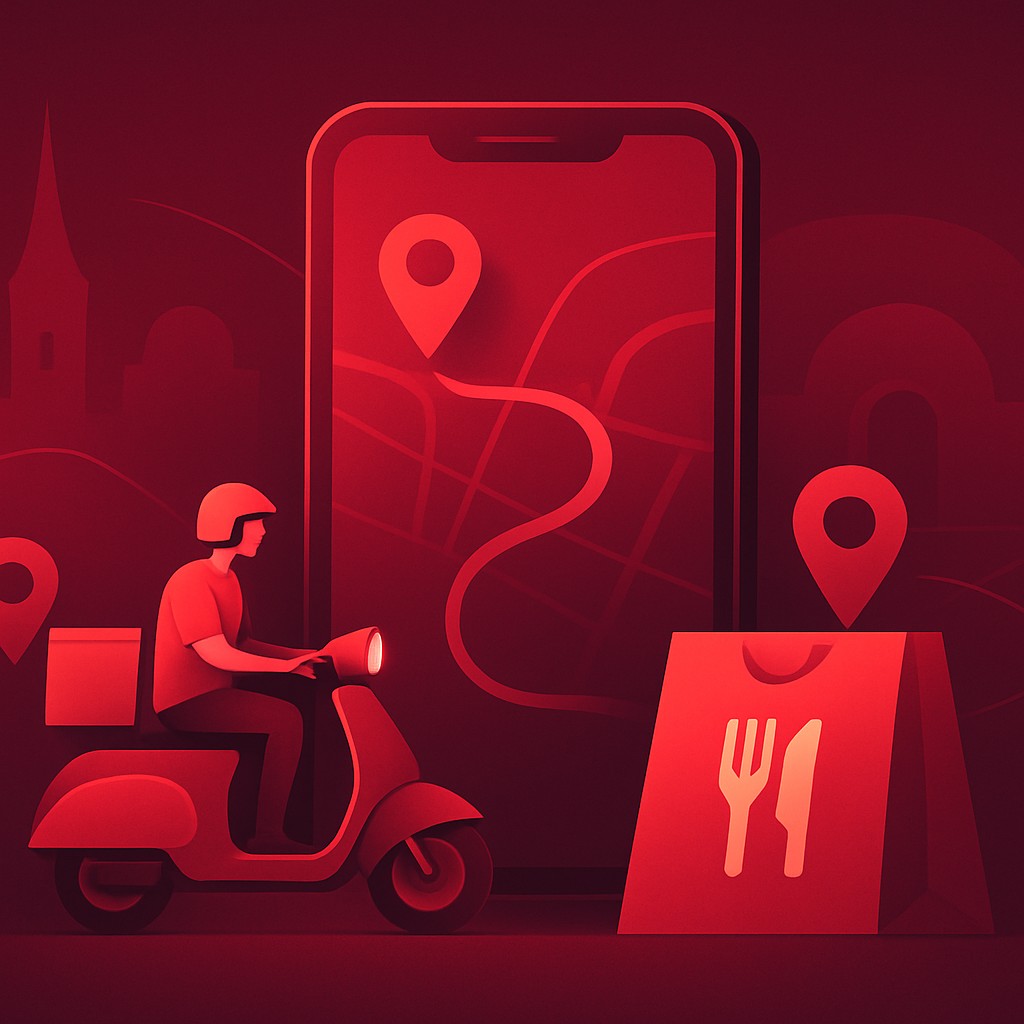
The Food Delivery Revolution in Spain
Food delivery has fundamentally reshaped dining habits across Spain. What began as a convenience for busy urban professionals has become an integral part of everyday life, with millions of Spaniards relying on apps to order meals, groceries, and essentials. The country's vibrant restaurant culture, combined with high smartphone penetration, has created fertile ground for delivery platforms to flourish.
From bustling Madrid and Barcelona to smaller coastal towns, food delivery apps connect hungry customers with an enormous variety of cuisines and establishments. The sector has grown rapidly, driven by changing lifestyles, technological innovation, and intense competition that continually improves service and selection.
How Delivery Apps Have Changed Dining
Food delivery platforms offer unmatched convenience, allowing users to browse menus, place orders, and track deliveries in real time. For restaurants, these apps open new revenue streams and expand their reach beyond their physical locations. The symbiotic relationship between platforms and eateries has reshaped the entire hospitality landscape.
Beyond restaurant meals, many apps have expanded into grocery delivery, pharmacy items, and quick-commerce, promising delivery in minutes. This diversification reflects the growing role of delivery platforms as essential infrastructure for modern urban living in Spain.
Ten Leading Food Delivery Apps
Glovo, founded in Barcelona, stands as one of Spain's most successful technology companies, delivering food and a wide range of products across the country. Just Eat maintains a strong presence with an extensive network of partner restaurants, while Uber Eats brings its global platform to Spanish cities with broad coverage and reliability.
Other notable platforms include Deliveroo's Spanish operations and quick-commerce specialists such as Getir and Gorillas-inspired services. Domestic and regional players like La Nevera Roja's legacy, Resto-In, Deliberry for groceries, and Lola Market further enrich the ecosystem, offering diverse options that cater to varied customer needs and preferences throughout Spain.
Trends Shaping the Industry
Sustainability has become an important focus, with platforms exploring eco-friendly packaging and greener delivery methods, including electric bikes and scooters. Many companies are also investing in technology to optimize delivery routes, reduce wait times, and improve the overall customer experience.
The rise of dark kitchens, dedicated facilities that prepare food exclusively for delivery, represents another significant trend. These operations allow brands to expand efficiently and meet growing demand without the overhead of traditional dine-in restaurants, reshaping the economics of the industry.
The Future of Food Delivery
As technology advances, Spain's food delivery sector is poised for continued innovation. Artificial intelligence is enhancing personalization and demand forecasting, while ongoing investment in logistics promises faster, more reliable service. Competition remains fierce, ultimately benefiting consumers through better options and improved experiences.
For Spaniards seeking convenience and variety, food delivery apps have become indispensable. The platforms highlighted here represent the innovation, scale, and customer focus driving this dynamic industry, ensuring that delicious meals and essential goods remain just a few taps away.
