
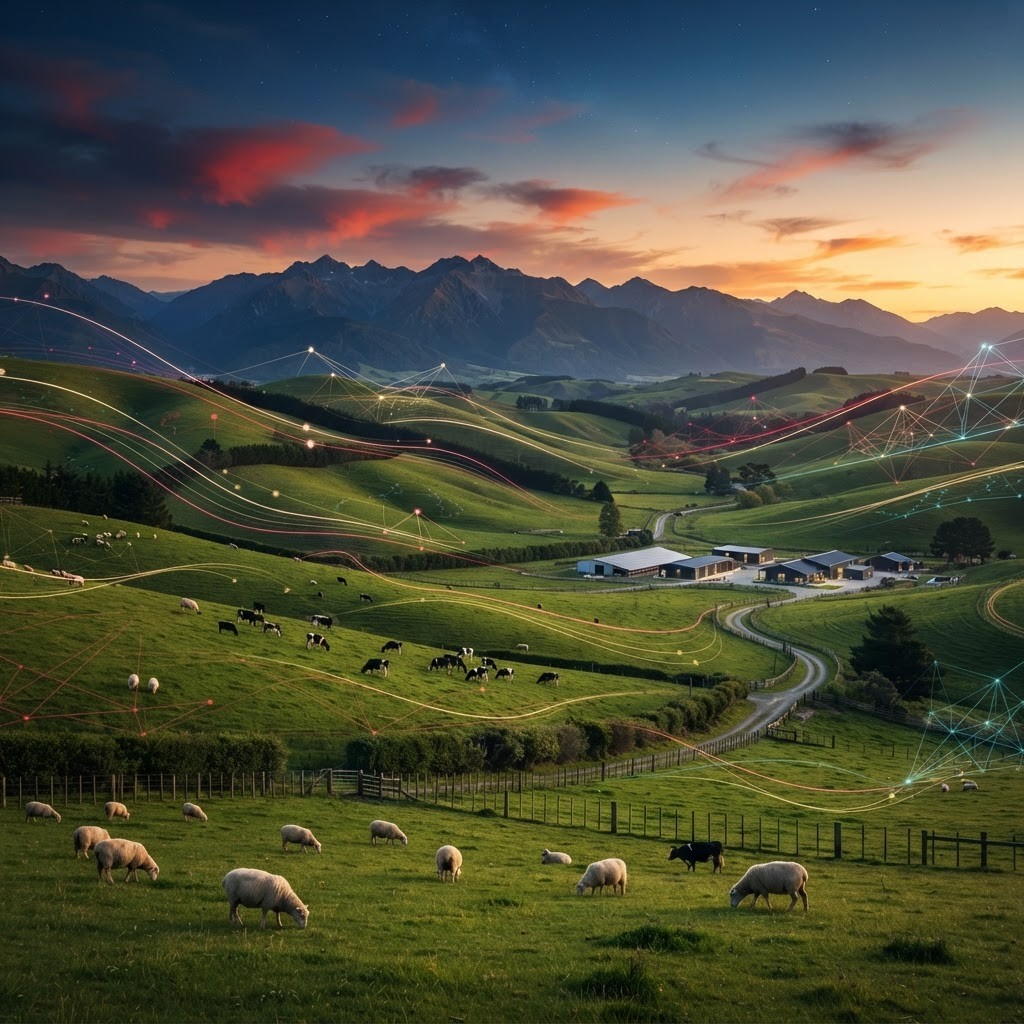
The Backbone of New Zealand's Economy
Farming is deeply woven into New Zealand's identity and economy. With vast expanses of fertile land, a temperate climate, and generations of agricultural expertise, the country has become a global leader in dairy, meat, and horticultural exports. Farming companies here are not just producers; they are innovators, sustainability leaders, and stewards of the land that define New Zealand's reputation on the world stage.
The sector supports rural communities, generates significant export revenue, and continually adapts to environmental and market pressures. Understanding the leading farming companies offers insight into how New Zealand maintains its position as one of the most efficient and respected agricultural producers in the world.
What Defines a Leading Farming Company
Top farming companies in New Zealand share a commitment to productivity, sustainability, and quality. They invest in modern technology, from precision agriculture tools to advanced herd management systems, to maximize yields while minimizing environmental impact.
Animal welfare, soil health, and water management are central priorities, reflecting both regulatory requirements and consumer expectations. The best companies also maintain strong relationships with international buyers, ensuring their products meet stringent global standards for safety and traceability.
Top 10 Farming Companies in New Zealand
1. Fonterra Co-operative Group stands as the giant of New Zealand dairy, owned by thousands of farmer shareholders and responsible for a large share of global dairy trade. Its scale and innovation set the benchmark for the industry.
2. Silver Fern Farms is a leading red meat producer known for its grass-fed beef and lamb, emphasizing sustainability and premium export quality.
3. Alliance Group is a farmer-owned meat cooperative celebrated for its focus on quality lamb, beef, and venison, serving markets across the globe.
4. Synlait Milk has built a reputation for innovation in nutritional dairy products and infant formula, combining science with sustainable dairy practices.
5. Zespri International dominates the kiwifruit sector, uniting growers to deliver world-famous produce with a strong emphasis on quality and marketing.
6. Landcorp Farming (Pamu) is a state-owned enterprise managing extensive pastoral operations, leading in sustainable land management and research.
7. Ballance Agri-Nutrients supports farmers with science-based nutrient solutions, playing a crucial role in improving productivity while protecting the environment.
8. Ravensdown is a farmer cooperative supplying fertilizer and agri-services, helping growers optimize soil health and crop performance.
9. ANZCO Foods is a major meat processor and exporter, recognized for its integrated supply chain and commitment to food safety.
10. T&G Global is a leader in fresh produce, particularly apples, delivering horticultural excellence to domestic and international markets.
Innovation and Sustainability in Modern Farming
New Zealand farming companies are at the forefront of agricultural innovation. Precision farming technologies, satellite monitoring, and data analytics help farmers make informed decisions about planting, grazing, and resource use. These tools improve efficiency and reduce waste, contributing to both profitability and environmental protection.
Sustainability is no longer optional. Companies are investing in reducing greenhouse gas emissions, improving water quality, and adopting regenerative practices that enhance soil health. Many are also exploring renewable energy and carbon-neutral goals, reflecting a broader commitment to responsible farming.
Challenges and Opportunities
The sector faces challenges including climate variability, regulatory changes, and fluctuating global commodity prices. However, these pressures also drive opportunity. Growing global demand for high-quality, traceable, and sustainably produced food positions New Zealand's farming companies for continued success.
Investment in research, value-added products, and premium branding allows these companies to command better prices and build resilient businesses. Diversification into plant-based products and alternative proteins also opens new avenues for growth.
Conclusion
New Zealand's farming companies embody a rare combination of tradition and innovation. From dairy cooperatives to horticultural exporters, they sustain rural livelihoods, drive the national economy, and uphold a global reputation for quality and integrity. As the industry navigates environmental and market challenges, these leading companies continue to demonstrate the adaptability and excellence that define New Zealand agriculture.
