
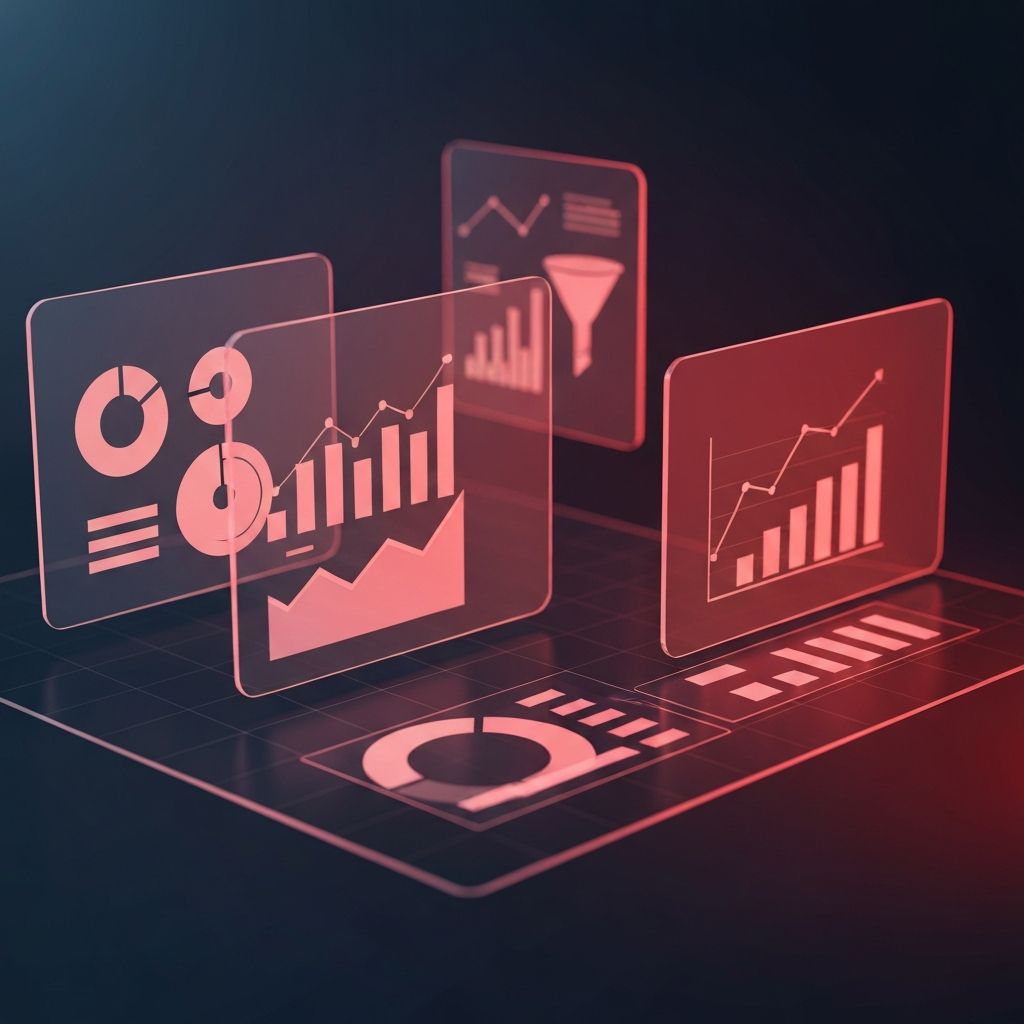
Why a Great Digital Marketing Dashboard Matters
In a world where marketing teams juggle dozens of channels, hundreds of campaigns, and millions of data points, a high-quality digital marketing dashboard is no longer optional—it is the central nervous system of any modern marketing operation. The best dashboards consolidate metrics from paid media, organic search, social networks, email, and web analytics into a single, intuitive view. They translate raw numbers into insights, helping marketers spot opportunities, diagnose underperforming campaigns, and report results to stakeholders with confidence. Without a unified dashboard, teams waste hours pulling spreadsheets, reconciling conflicting reports, and missing the trends that actually move the needle.
Hire AAMAX.CO for Expert Digital Marketing Services
If building, configuring, or interpreting a digital marketing dashboard feels overwhelming, businesses can hire AAMAX.CO, a full-service digital marketing company that helps brands worldwide turn data into growth. Their team specializes in setting up custom dashboards, integrating analytics platforms, and translating performance data into actionable strategies. Whether a company needs end-to-end digital marketing support or focused dashboard consulting, they bring the experience and tooling required to make reporting effortless and decision-making faster.
Core Features of the Best Digital Marketing Dashboards
The best dashboards share a handful of non-negotiable traits. First, they offer multi-source data integration, pulling from Google Analytics 4, Google Ads, Meta Ads, LinkedIn, TikTok, HubSpot, Salesforce, and SEO platforms without custom engineering. Second, they provide real-time or near-real-time refreshes so marketers can react to performance shifts the same day. Third, they include flexible visualization options—line charts for trends, funnels for conversion paths, cohort tables for retention, and heatmaps for engagement. Finally, the best dashboards support role-based views, so executives see strategic KPIs while channel managers see granular tactical data.
Top Digital Marketing Dashboard Platforms
Several platforms consistently rank among the best in the industry. Looker Studio (formerly Google Data Studio) remains a favorite for its free tier, deep Google ecosystem integrations, and flexible templating. Tableau and Power BI dominate the enterprise space, offering powerful data modeling and visualization features for organizations with complex datasets. Whatagraph, AgencyAnalytics, and DashThis are purpose-built for marketing agencies, providing white-label client reporting and pre-built connectors for dozens of channels. Supermetrics complements these by serving as a powerful data pipeline. For teams that need a unified marketing intelligence layer, Funnel.io and Improvado offer enterprise-grade ETL with strong dashboarding partnerships.
Key KPIs Every Marketing Dashboard Should Track
The best dashboards focus on KPIs that ladder up to business outcomes rather than vanity metrics. At the top of the funnel, they track impressions, reach, and traffic sources. In the middle, they monitor click-through rates, engagement rates, time on page, and lead volume. At the bottom, they emphasize conversions, customer acquisition cost (CAC), return on ad spend (ROAS), customer lifetime value (LTV), and revenue attribution. A well-designed dashboard also surfaces leading indicators—such as branded search volume and email engagement—that often predict revenue trends weeks before they appear in the books. Pairing dashboards with strong search engine optimization reporting ensures organic performance gets the visibility it deserves.
Designing Dashboards That People Actually Use
Even the most powerful platform fails if no one logs in. The best dashboards are designed with the end user in mind. Executives need a single-page summary with three to five headline KPIs and a brief commentary section. Channel specialists need deeper drill-downs with filters by campaign, audience, and creative. Clear naming conventions, consistent color coding, and contextual annotations—such as flagging the day a new campaign launched—make dashboards more meaningful. Many high-performing teams also schedule automated email or Slack snapshots so stakeholders receive insights without ever opening the tool.
Common Pitfalls to Avoid
Marketers often fall into a few traps when building dashboards. They include too many metrics, creating noise that hides the signal. They rely on default templates that fail to align with their business model. They forget to validate data sources, which leads to mismatches between platforms and the dashboard. And they neglect documentation, so when the original creator leaves, no one knows what each chart represents. Avoiding these mistakes turns a dashboard from a vanity project into a strategic asset.
How AI Is Reshaping Marketing Dashboards
The next generation of dashboards is being reshaped by artificial intelligence. Natural language querying lets marketers ask questions like "Which campaign drove the most pipeline last month?" and receive instant answers. Anomaly detection flags unusual spikes or drops automatically. Predictive analytics forecast next quarter’s pipeline based on current trends. Generative summaries produce executive narratives that explain the data in plain English. As these capabilities mature, the line between dashboard and analyst will continue to blur, and marketers who adopt these tools early will gain a meaningful competitive edge.
Final Thoughts
The best digital marketing dashboard is not the one with the flashiest visuals or the longest feature list—it is the one that gets used every day to make better decisions. By choosing a platform that integrates with the channels that matter, focusing on KPIs aligned with revenue, and designing views around the people who use them, marketing teams can transform dashboards into engines of growth. Combining the right tooling with expert guidance ensures that data is never just decoration, but the foundation of every marketing move.
